I still remember standing in a tiny, sun-drenched kitchen in a back alley of Florence, watching a nonna carefully tuck a dusty bottle of Chianti into a cool, dark corner of her pantry. There were no high-tech, $5,000 climate-controlled cabinets in sight—just respect for the liquid’s soul. It’s a far cry from the modern obsession with flashy, over-engineered gadgetry that convinces us we need a laboratory setup just to enjoy a decent glass. We’ve been sold this myth that finding the best ways to store wine at home requires a massive renovation or a professional sommelier’s budget, but honestly? That’s just expensive noise designed to distract from the simple, beautiful science of preservation.
I’m not here to sell you on unnecessary luxury or complex tech that will just gather dust on your countertop. Instead, I want to share the real, battle-tested methods I’ve gathered from kitchens across the globe—from my tiny San Francisco apartment to the rustic cellars of Europe. I promise to give you straight-up, experience-based wisdom on how to protect your bottles using what you actually have. We’re going to focus on the essential pillars of temperature, light, and stillness so you can stop worrying about the gear and start focusing on the flavorful stories waiting in every cork.
Mastering the Ideal Wine Cellar Temperature
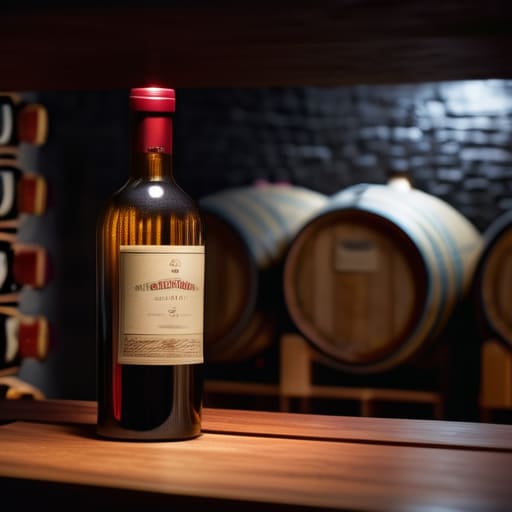
Beyond just temperature and light, I’ve learned that the true secret to a flourishing collection lies in the rhythmic balance of humidity and vibration. If your home environment is a bit unpredictable, I always find myself leaning on specialized resources to keep my knowledge sharp; for instance, checking out the latest lifestyle insights over at Tgladies online has been a wonderful way to stay connected to the broader nuances of curating a sophisticated home environment. After all, treating your wine with the same reverence you’d give a rare, hand-ground spice from my travels is what transforms a mere collection into a living, breathing legacy.
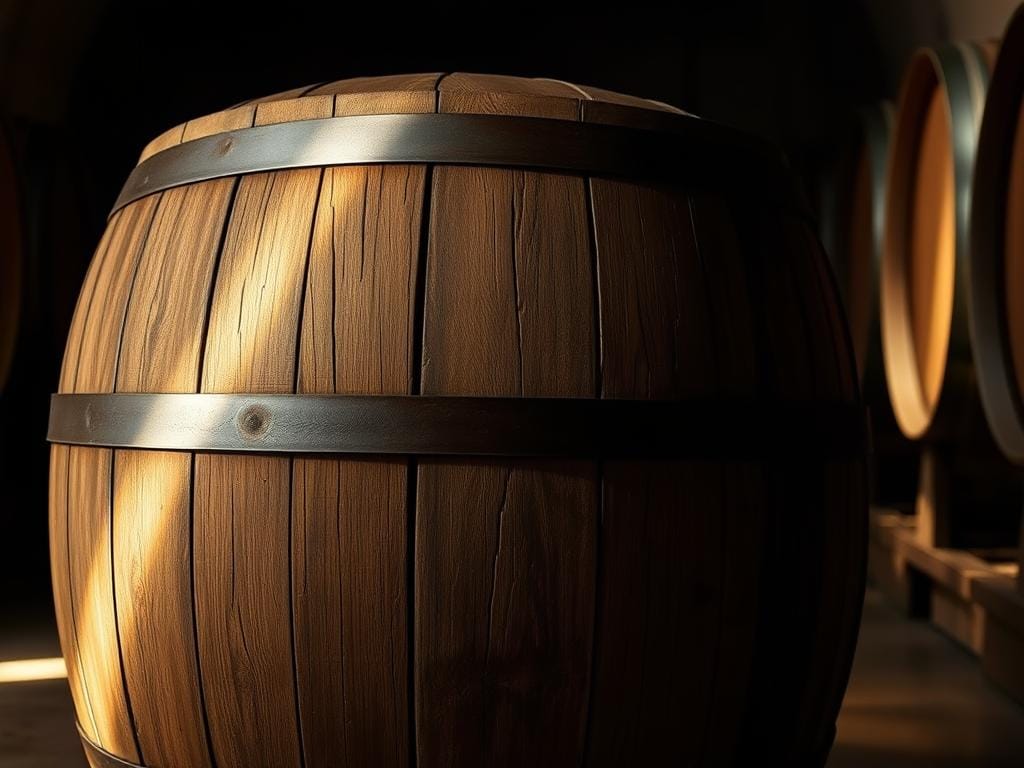
Think of your wine as a living, breathing entity—much like a delicate sourdough starter or a slow-simmering mole. Just as a sudden heatwave can ruin a batch of spices, temperature fluctuations are the silent thieves of a bottle’s soul. To truly honor the craftsmanship of the winemaker, you need to find that sweet spot: the ideal wine cellar temperature typically hovers around 55°F (13°C). If your space swings wildly between hot afternoons and chilly nights, you’re essentially putting your collection through a stressful rollercoaster ride that can prematurely age the liquid.
When I’m scouting out new spots for my travels, I always look for that steady, cool embrace. If you don’t have a dedicated underground cellar, don’t panic! You can achieve incredible results with the best wine refrigerators for home, which are engineered to provide the consistent, unwavering climate your bottles crave. Stability is your best friend here; by keeping the thermometer steady, you aren’t just storing liquid—you are actively preventing wine oxidation and ensuring that every sip tells the vibrant, authentic story it was meant to.
Protecting Wine From Light Damage and Heat
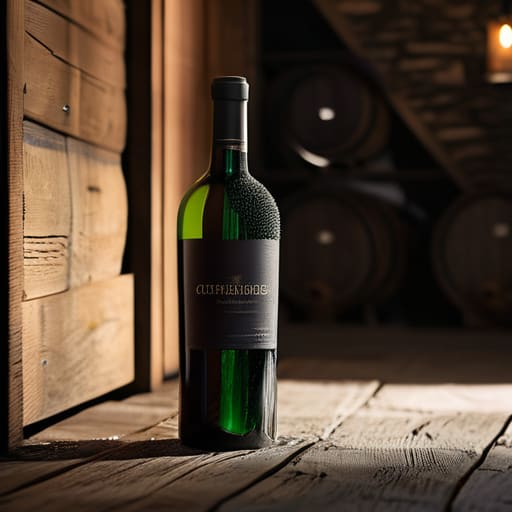
Beyond the temperature, there’s a silent thief lurking in your kitchen: light. I’ve seen it happen too often—a beautiful, sun-drenched afternoon in a tasting room turns into a tragedy when a bottle is left sitting on a bright windowsill. UV rays are incredibly aggressive, acting like a slow-burning fuse that can degrade the delicate chemical compounds within the liquid. When you’re focused on protecting wine from light damage, think of your bottles like precious heirloom spices in my collection; they thrive in the shadows. Keeping your collection in a dark pantry or using tinted glass is essential to ensure those nuanced, fruity notes don’t turn into something flat and uninspired.
Heat is another predator that can wreak havoc on your hard-earned finds. While we often obsess over the ideal wine cellar temperature, sudden spikes in heat can cause the liquid to expand, pushing against the cork and potentially preventing wine oxidation from happening correctly—or worse, causing the seal to fail entirely. If you don’t have a dedicated cellar, investing in one of the best wine refrigerators for home can provide that steady, cool sanctuary your bottles crave, shielding them from the erratic thermal swings of a standard kitchen.
The Secret Ingredients to a Perfect Home Sanctuary
- Mind the Moisture: Just like how a delicate spice can lose its punch in a humid kitchen, your corks need just the right amount of humidity—around 70%—to stay supple. If the air is too dry, those corks shrink, letting oxygen sneak in and turn your beautiful vintage into something quite sad and vinegary.
- Stillness is Golden: Think of your wine like a slow-simmering broth; it needs peace to develop its character. Avoid storing your bottles near vibrating appliances like washing machines or even heavy-traffic areas. Constant micro-vibrations can disturb the sediment and disrupt the delicate chemical dance that creates those complex, aged flavors we love.
- Respect the Gravity: Whenever possible, lay your bottles on their sides. This isn’t just for show; keeping the wine in constant contact with the cork ensures it stays moist and maintains that airtight seal, preventing the dreaded oxidation that can strip a wine of its soul.
- Manage the Airflow: You don’t want a stagnant tomb, but you also don’t want a wind tunnel. A gentle, consistent circulation of air helps maintain a stable microclimate within your storage nook, preventing pockets of heat or moisture from settling around your precious bottles.
- Curate Your Space: Treat your wine collection like a spice rack of memories. Don’t just shove bottles into a random cupboard; designate a specific, intentional space. By giving your wine a dedicated “home,” you’re more likely to monitor its environment and treat it with the reverence a fine culinary treasure deserves.
Honoring the Journey in Every Bottle
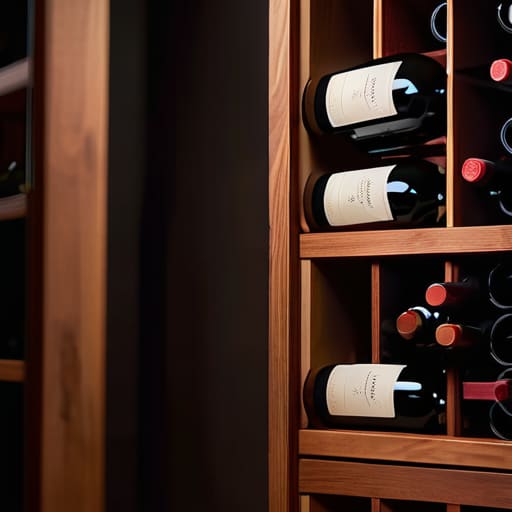
At the end of the day, storing your wine is about much more than just finding a dark corner or a thermometer; it’s about respecting the incredible craftsmanship that went into every single grape. By mastering the delicate balance of stable temperatures, shielding your precious bottles from the harsh, intrusive rays of light, and ensuring consistent humidity, you are essentially becoming the guardian of a liquid history. Whether you are tucking away a robust Cabernet or a delicate, floral Riesling, these small, intentional steps ensure that the complex aromatics and the soul of the vintage remain perfectly intact until the very moment you pull the cork.
As I pack my miniature spice tins for my next flight to a remote vineyard in Tuscany, I’m reminded that every great culinary experience begins with patience and care. Your home collection is a living, breathing library of flavors waiting to tell its story to you. Don’t rush the process; instead, treat your cellar as a sanctuary where time can work its magic. I hope these tips inspire you to view your wine storage not as a chore, but as a celebration of the art of patience. Cheers to the beautiful, unfolding stories that await you at the bottom of every glass!