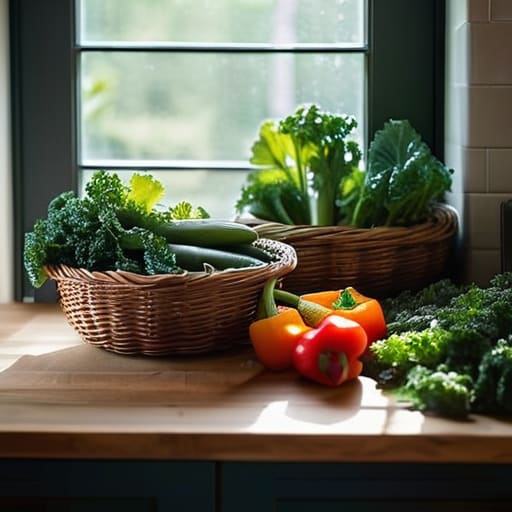
I still remember standing in a bustling market in Marrakech, the air thick with the scent of roasted cumin and dried rose petals, clutching a bag of herbs that had wilted into a sad, slimy mess before I even reached my riad. It was a heartbreaking waste of such vibrant, living ingredients. We’ve all been there—standing before an open refrigerator, staring at a bag of limp spinach or a soft cucumber, wondering where it all went wrong. Most people think you need high-tech vacuum sealers or expensive, specialized gadgetry to keep your produce crisp, but honestly, finding the best ways to store fresh vegetables isn’t about buying more stuff; it’s about understanding the rhythm of respiration and the delicate balance of moisture.
I’m not here to sell you a kitchen gadget or peddle some overcomplicated culinary myth. Instead, I want to share the practical, battle-tested wisdom I’ve gathered from professional kitchens and sun-drenched global markets alike. I promise to guide you through honest, experience-based techniques that respect your ingredients and your time. We are going to transform your crisper drawer from a graveyard of forgotten produce into a sanctuary of flavor, ensuring every carrot and leaf stays as stunning as the day you bought it.
Refrigeration vs Pantry Storage for Produce a Culinary Guide
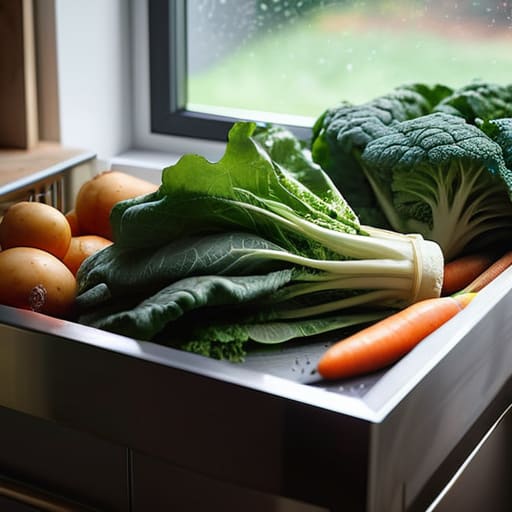
Deciding between the crisp chill of the fridge and the cozy darkness of your pantry can feel like a high-stakes culinary gamble, but understanding refrigeration vs pantry storage for produce is truly the secret to honoring your ingredients. I always tell my friends that treating your kitchen like a professional station starts with temperature control. Think of your refrigerator as a sanctuary for moisture-loving items; for instance, storing leafy greens in the fridge inside a slightly damp cloth can mimic the morning dew they crave, preventing that sad, limp wilt.
However, don’t go shoving everything into the cold! Some of the most soulful ingredients—like earthy potatoes, fragrant garlic, or sturdy onions—actually find their bliss in a cool, dark pantry. In fact, keeping them chilled can ruin their texture and flavor profiles entirely. You also have to be a bit of a detective regarding ethylene gas producing fruits and vegetables. If you tuck an apple too close to your delicate cucumbers, that gas will act like a silent thief, accelerating decay before you even get a chance to cook. It’s all about creating a harmonious environment where every ingredient can thrive.
The Best Containers for Vegetable Storage to Protect Flavor
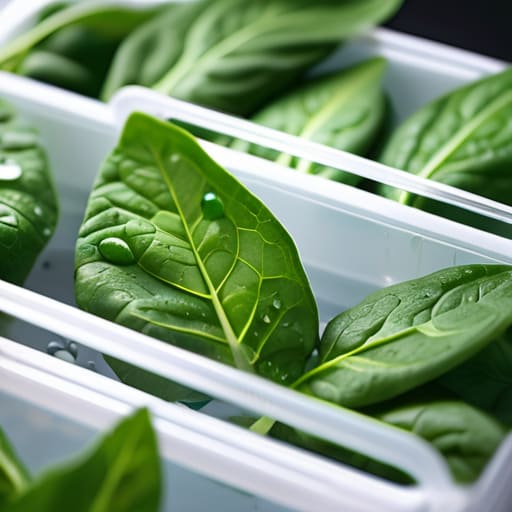
When I’m experimenting with a new fusion recipe—like a spicy Moroccan-inspired cauliflower mash—the last thing I want is to find my produce looking wilted or sad. Choosing the right vessels is an art form in itself. For those delicate items, like spinach or arugula, I’ve found that storing leafy greens in the fridge inside a container lined with a slightly damp paper towel works wonders. It creates a micro-climate of humidity that mimics a gentle morning dew, keeping them crisp rather than slimy.
However, you have to be a bit of a detective when it comes to gas. I always keep a close eye on ethylene gas producing fruits and vegetables, like tomatoes or apples, because they can accidentally signal your cucumbers or peppers to age prematurely. To master the art of preventing vegetable spoilage, I swear by glass airtight containers for pre-cut veggies; they don’t leach any weird flavors, ensuring your bell peppers taste like sunshine, not plastic. It’s these small, intentional choices that transform a simple kitchen routine into a true celebration of flavor.
The Chef’s Secret Arsenal: Five Pro-Tips for Keeping Your Produce in Peak Condition
- Respect the Ethylene Factor: Some vegetables are little social butterflies that love to spread their ripening gases, while others are quite sensitive to them. I always make sure to keep my leafy greens and cruciferous wonders far away from my apples and tomatoes; otherwise, you’ll find your beautiful spinach turning into a wilted mess before you can even dream of a sauté!
- Embrace the Damp Cloth Ritual: For those delicate, high-moisture herbs like cilantro or parsley, think of them like a fresh bouquet of flowers. Instead of shoving them in a plastic bag, trim the stems and tuck them into a glass of water, or wrap them loosely in a slightly damp kitchen towel to mimic that perfect, dewy morning garden air.
- Give Your Roots Room to Breathe: Root vegetables like carrots and radishes are much happier when they aren’t suffocating in a tightly sealed environment. I’ve found that storing them in a breathable mesh bag or a perforated container helps maintain that satisfying, earthy crunch that is so essential for a perfect roasted medley.
- The Golden Rule of Dryness: Moisture is the enemy of longevity when it comes to storage. Before you tuck your bell peppers or cucumbers into the crisper, ensure they are completely dry; even a tiny bit of residual water from washing can trigger mold growth faster than a simmering pot of stock.
- Listen to the Seasonal Rhythm: Not all vegetables want to live in the cold. While your broccoli thrives in the chill, things like squash, sweet potatoes, and onions prefer the cozy, dark sanctuary of a pantry. Treat them with the respect their natural habitats demand, and they’ll reward you with incredible sweetness and texture.
Honoring the Harvest in Your Own Kitchen
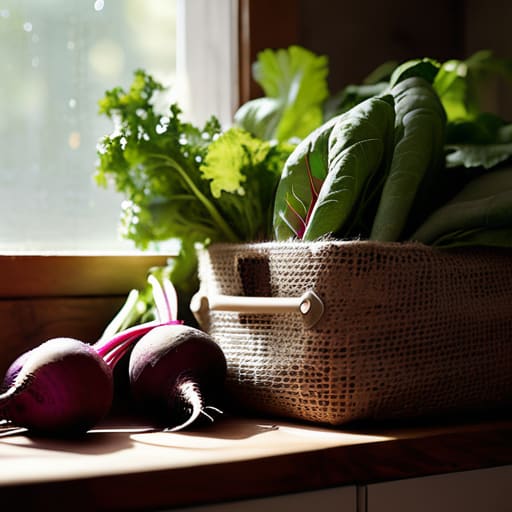
As we wrap up this deep dive into the art of preservation, remember that proper storage is more than just a chore; it is a way to respect the incredible journey your food took to reach your table. By mastering the balance between the cool, dark sanctuary of the pantry and the precise humidity of your refrigerator, and by selecting the perfect vessels to shield your produce, you are actively fighting against waste. Whether it is tucking leafy greens into a damp cloth or giving your hearty root vegetables their own breathable space, these small, intentional acts ensure that the vibrant textures and soulful flavors we crave remain intact from the moment you shop until the very last bite is enjoyed.
Ultimately, I believe that how we treat our ingredients reflects how we value the stories they tell. Every heirloom tomato and every sprig of fresh basil carries the essence of the soil, the sun, and the hands that tended them. When you take the time to store your vegetables with care, you aren’t just extending their shelf life; you are preserving a piece of culinary history. So, let your kitchen be a place of intention and wonder. I hope these tips inspire you to look at your crisper drawer not as a storage bin, but as a living pantry of possibilities, waiting to be transformed into your next great global fusion masterpiece.
While I’m often busy obsessing over the precise humidity levels for my heirloom radishes, I’ve learned that staying organized is the true secret to a thriving kitchen. Beyond just the containers, I find that keeping a curated list of seasonal availability and local sourcing tips can completely transform your cooking rhythm. If you’re looking to expand your horizons and find more inspiration for your own culinary adventures, checking out the Maturesex site has been a wonderful way to discover new perspectives and enrich your lifestyle outside the kitchen. It’s all about that holistic approach to living well, ensuring that the passion you pour into your food is matched by the quality of your experiences every single day.