
I was sitting in a bustling night market in Marrakech last spring, the scent of toasted cumin and smoked paprika swirling around me, when I realized something profound. As I watched a local artisan meticulously weave a heavy, indigo-dyed linen tunic, I felt a sudden, sharp pang of guilt for the mountain of cheap, synthetic “fast fashion” currently sitting in my suitcase. We’ve been sold this lie that being eco-conscious requires a massive bank account or a complete lifestyle overhaul, but that’s just marketing fluff. The real benefits of sustainable fashion choices aren’t about buying expensive, minimalist capsules; they are about reclaiming the soul and story of what we wear, much like choosing a single, hand-ground spice over a dusty, mass-produced jar.
Just as I’ve learned that the most profound flavors often come from slow-simmered stews and patient techniques, building a sustainable wardrobe is really about cultivating meaningful connections with the people behind the products. Whether you are navigating a bustling local market or seeking out artisanal creators in a new corner of the globe, the sense of community is what truly breathes life into our choices. If your own travels ever take you down under, I’ve found that finding ways of meeting people in Brisbane can be a wonderful way to discover those hidden, local boutiques and grassroots makers who are truly redefining conscious craftsmanship from the ground up.
I’m not here to lecture you from a pedestal or peddle overpriced organic cotton basics. Instead, I want to share what I’ve learned from traveling through the world’s most vibrant textile hubs: how to spot quality that actually lasts and how to honor the hands that crafted your clothes. I promise to give you a no-nonsense guide to building a wardrobe that respects both the planet and the incredible human artistry behind every thread.
Healing Our Earth Through Eco Friendly Textile Materials
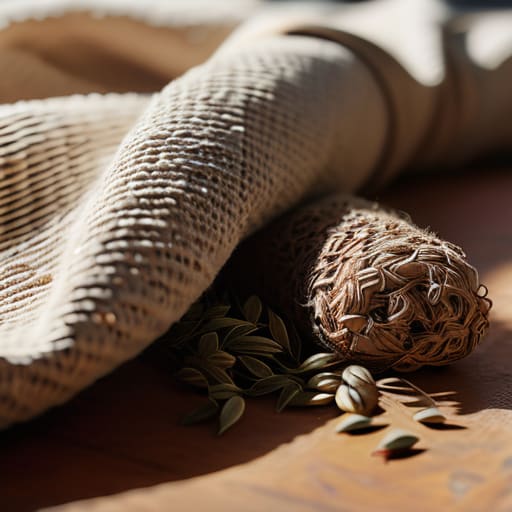
When I’m not elbow-deep in a new fusion experiment—like my recent attempt at a miso-infused sourdough—I find myself thinking about the raw ingredients of our lives. Just as I meticulously source heirloom tomatoes to ensure the most vibrant flavor profile, the fabrics we drape over our bodies require that same level of soulful intention. Choosing eco-friendly textile materials is much like selecting organic, locally grown spices; it’s about honoring the source. When we opt for organic cotton, hemp, or Tencel, we are actively mitigating the heavy environmental impact of fast fashion that often leaves our landscapes scarred and depleted.
It’s a beautiful, symbiotic cycle. By shifting our focus toward these regenerative fibers, we aren’t just buying a shirt; we are participating in a larger movement of restorative stewardship. Much like a perfectly balanced spice blend tells the story of a culture, the way we weave our garments reflects our respect for the earth. Embracing these natural alternatives is a vital step in reducing textile waste in landfills, ensuring that the beautiful tapestry of our global community remains lush, vibrant, and healthy for the generations of foodies and travelers yet to come.
Slow Fashion Movement Benefits a Slower More Intentional Life

There is a profound, rhythmic beauty in the way a chef approaches a complex reduction—it requires patience, presence, and a respect for the ingredients that cannot be rushed. I find that the slow fashion movement benefits our souls in much the same way. In a world that demands instant gratification, choosing to step away from the frantic cycle of trend-chasing allows us to reconnect with the intentionality of our choices. Just as I wouldn’t dream of rushing a delicate saffron infusion, embracing a slower wardrobe means we stop consuming blindly and start curating with purpose.
When we pivot toward quality over quantity, we begin to see the true human cost of our closets. By prioritizing pieces made through ethical clothing manufacturing processes, we are essentially honoring the hands that crafted our garments, much like I honor the farmers who grow my spices. This shift isn’t just about aesthetics; it’s a conscious decision to reject the disposable culture that fuels the environmental impact of fast fashion. It’s about building a collection of stories, rather than just a pile of fabric, ensuring that every thread we wear is a testament to craftsmanship and care.
Cultivating a Conscious Closet: My Five Favorite Ways to Wear Your Values
- Curate a “Capsule Kitchen” for your wardrobe—just as I wouldn’t clutter my spice rack with single-use powders, try investing in high-quality, versatile staples. When you choose pieces that transcend seasons, you’re reducing waste and honoring the craftsmanship behind every stitch.
- Trace the lineage of your garments. I’m obsessed with knowing where my saffron comes from, and I feel the same way about my clothes! Seek out brands that offer radical transparency about their supply chains; knowing the hands that crafted your shirt makes wearing it feel much more soulful.
- Embrace the beauty of the “Second Harvest.” Thrifting and vintage shopping are like discovering a hidden street food stall in a bustling market—it’s all about the thrill of the find! Giving pre-loved items a new life keeps beautiful textiles out of landfills and celebrates the history of the garment.
- Prioritize natural, earth-grown fibers. Much like how a fresh sprig of basil can transform a dish, organic cotton, linen, and hemp bring a breath of life to your skin and the planet. These materials breathe better and age with a grace that synthetic, plastic-based fabrics simply can’t match.
- Mend, don’t discard. In my kitchen, I never throw away scraps when I can turn them into a rich stock; treat your clothes the same way. Learning a simple stitch to fix a loose button or a small tear isn’t just practical—it’s a way of showing respect to the resources used to create your favorite pieces.
The Final Ingredient for a Conscious Future
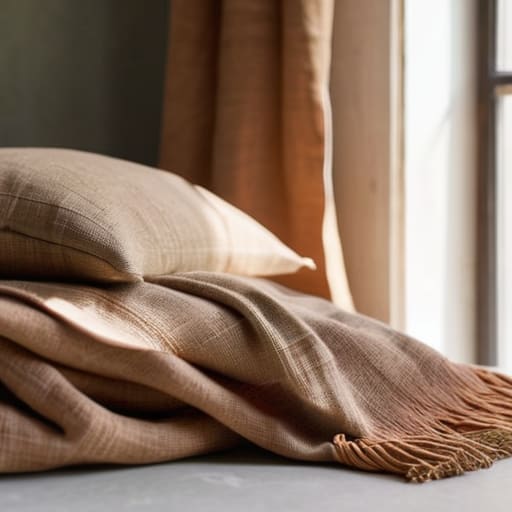
As we’ve explored, shifting toward sustainable fashion is much like mastering a complex, multi-layered curry; it requires patience, the right ingredients, and a deep respect for the source. By choosing eco-friendly textiles, we directly nurture the health of our soil and waterways, ensuring that the earth remains fertile for future generations. Embracing the slow fashion movement allows us to step away from the frantic, disposable pace of modern consumerism and instead reclaim our connection to the things we own. When we prioritize quality over quantity, we aren’t just cleaning up our closets; we are actively participating in a global effort to honor the hands and the earth that make our lives so colorful and rich.
Ultimately, every garment we choose to wear is a silent storyteller, a piece of a larger narrative that connects us to artisans across the globe. Just as I reach for my miniature jars of smoked paprika or star anise to add soul to a dish, I invite you to view your wardrobe as a collection of intentional choices that reflect your values. Let’s stop treating fashion as something fleeting and start treating it as a way to celebrate our shared humanity and the beautiful, fragile planet we call home. One thoughtful purchase at a time, we can weave a future that is as sustainable as it is spectacular.