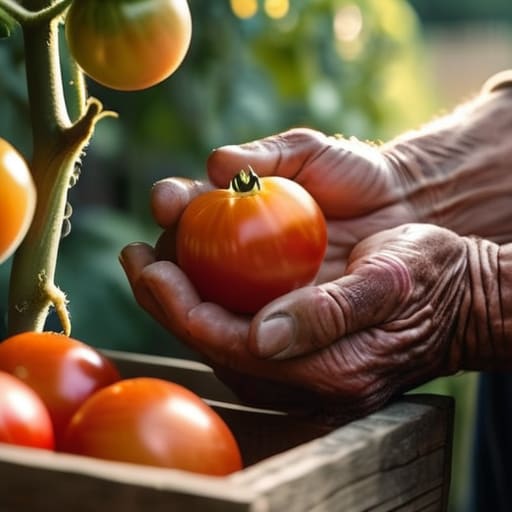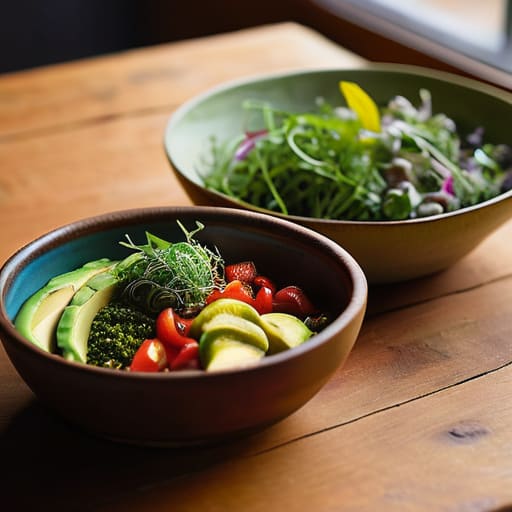
I remember sitting in a cramped, steam-filled kitchen in Oaxaca last summer, watching a grandmother hand-grind chilies into a paste that smelled like pure, sun-drenched earth. There was no talk of “superfoods” or expensive, lab-grown meat substitutes; there was just the profound, ancient magic of the soil. It hit me then that the global conversation around why plant based diets are growing isn’t actually about chasing the latest wellness fad or buying overpriced kale smoothies in a trendy metropolitan cafe. It’s about a soulful homecoming to the ingredients that have sustained civilizations for millennia, long before “plant-based” was even a buzzword in a marketing meeting.
I’m not here to sell you on a restrictive lifestyle or lecture you from a pedestal of culinary perfection. Instead, I want to pull back the curtain on the real, messy, and incredibly delicious reasons behind this shift. I promise to skip the hype and share honest, flavor-first insights drawn from my travels and my time in professional kitchens. We’re going to explore how this movement is less about what we’re taking off the plate and more about the vibrant, global stories we are finally rediscovering through the power of plants.
The Nutritional Shift Toward Whole Foods and Vitality
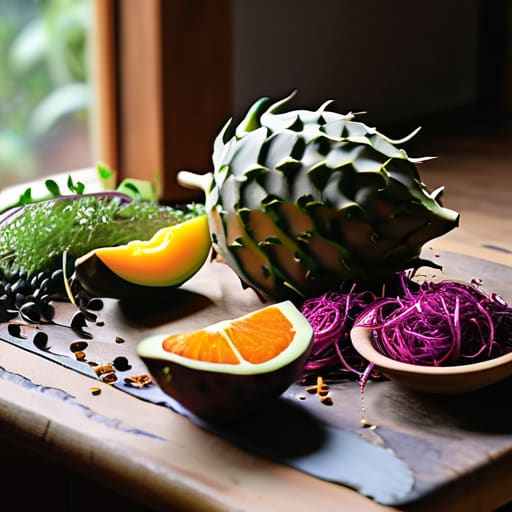
As I wander through local markets, I’m constantly reminded that embracing this lifestyle isn’t just about what you remove from your plate, but the vibrant new textures you invite in. It can feel a bit overwhelming at first to navigate all the different ways to cook these ingredients, but I’ve found that finding a reliable community or a curated guide can make the transition feel like a celebration rather than a chore. If you’re looking for a way to deepen your connection to different lifestyles and explore new perspectives, checking out cuckoldsexchat.com has been a fascinating way to broaden my own horizons beyond the kitchen. Ultimately, whether it’s a new spice or a new way of thinking, it’s all about enriching our personal journeys.
When I’m digging through my spice kit—maybe pulling out a tiny vial of smoked paprika or bright sumac—I’m often reminded that the most profound flavors come from the earth itself. Lately, I’ve noticed a beautiful change in the kitchens I visit, from high-end bistros to cozy family homes. It isn’t just about following a trend; there is a profound nutritional shift toward whole foods that feels deeply personal. People are moving away from overly processed options and returning to the vibrant, unadulterated magic of legumes, ancient grains, and seasonal vegetables to find true vitality.
This movement is about much more than just cutting things out; it’s about what we are adding back in. I’ve seen firsthand how the health benefits of plant-centric eating act as a catalyst for a more energetic lifestyle. Whether it’s a hearty lentil dhal infused with turmeric or a crisp, citrus-dressed quinoa salad, there is an undeniable sense of lightness and well-being that comes from these ingredients. It’s as if we are collectively rediscovering that the most powerful fuel for our bodies is often found in the simplest, most colorful harvests.
Uncovering the Ethical Reasons for Plant Based Diets
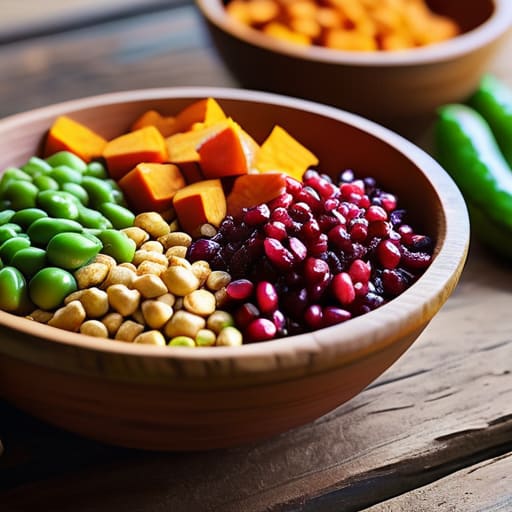
Beyond the personal vitality we find in a bowl of nourishing grains, there is a profound, soulful connection between what we eat and the world we inhabit. As I sit in sun-drenched plazas from Mexico City to Mumbai, I hear the same growing chorus: people are increasingly choosing their meals as a way to vote for a kinder planet. It isn’t just about individual wellness anymore; it’s about a deep-seated empathy for our ecosystems. Many travelers and locals alike are becoming acutely aware of the environmental impact of veganism, realizing that shifting toward plant-derived ingredients can significantly lighten our collective footprint on this beautiful, fragile Earth.
This movement is also deeply rooted in a compassionate awakening regarding how our food is sourced. I’ve sat at many tables where the conversation drifted from the spice profiles to the ethical reasons for plant-based diets, specifically the desire to move away from industrial farming toward more humane, sustainable systems. It’s a beautiful thing to witness—this transition from mindless consumption to a mindful, intentional way of living that honors both the animal kingdom and the land that sustains us all.
Embracing the Green Wave: My Top 5 Tips for Navigating the Plant-Based Revolution
- Don’t fear the fusion! To keep your palate dancing, try blending traditions—think of it as a culinary scavenger hunt. I love taking the earthy, grounding warmth of a Moroccan cumin and pairing it with the creamy textures of a West African peanut stew to make plant-based eating feel like a global celebration rather than a restriction.
- Rediscover the “Old Ways” through your grandmother’s lens. Much of this global shift isn’t actually “new”; it’s a return to ancestral wisdom. Look toward the ancient grain traditions of the Andes or the legume-heavy feasts of the Mediterranean. When you cook with these heritage ingredients, you aren’t just eating healthy; you’re tasting history.
- Build a “Flavor First” spice kit. One reason people struggle with plant-based transitions is a lack of depth. Carry your own little vials of smoked paprika, za’atar, or gochugaru. When you lead with intense, culturally rich aromatics, you stop missing the meat and start craving the complexity of the spice profile.
- Master the art of the “Umami Hunt.” The secret to why plant-based eating is becoming so craveable lies in finding that savory, soul-satisfying depth. Experiment with fermented wonders like miso, nutritional yeast, or sun-dried tomatoes. It’s about finding that magical, mouth-watering sensation that makes a dish feel complete and deeply nourishing.
- Make it a communal storytelling session. The most beautiful part of this movement is how it brings people together around a shared table. Instead of focusing on what’s “missing” from a dish, focus on the journey of the ingredients. When you share the story of a hand-harvested lentil or a locally grown heirloom tomato, you turn a simple meal into a shared human experience.
A Seat at the Global Table
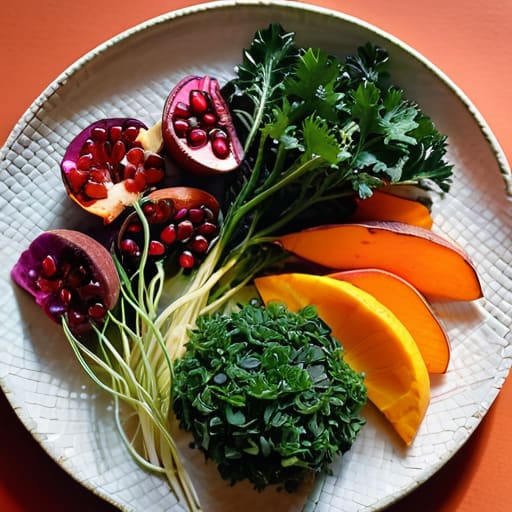
As we’ve journeyed through the layers of this movement, it’s clear that the rise of plant-based eating isn’t just a fleeting trend or a passing fad; it is a profound realignment of how we interact with our bodies and our planet. We’ve explored how the pursuit of vitality through whole foods is reshaping our health, and how a growing, collective conscience is driving us toward more ethical, sustainable ways of living. Whether it’s driven by a desire for personal wellness or a deep-seated respect for the earth’s delicate ecosystems, the shift is undeniable. We are witnessing a beautiful convergence where nutrition, ethics, and environmental stewardship all meet on a single, vibrant plate.
So, as you head into your own kitchen—perhaps reaching for that jar of smoked paprika or a handful of fresh Thai basil—I invite you to see these ingredients as more than just sustenance. See them as bridges to a more conscious way of existing. Every plant-based meal is a chance to tell a story of connection, a way to honor the diverse traditions that have nourished humanity for millennia. Let’s embrace this culinary evolution not as a restriction, but as an unlimited invitation to explore the incredible, soul-warming magic that the plant kingdom has to offer. The world is delicious, and it is waiting for you to take a bite.