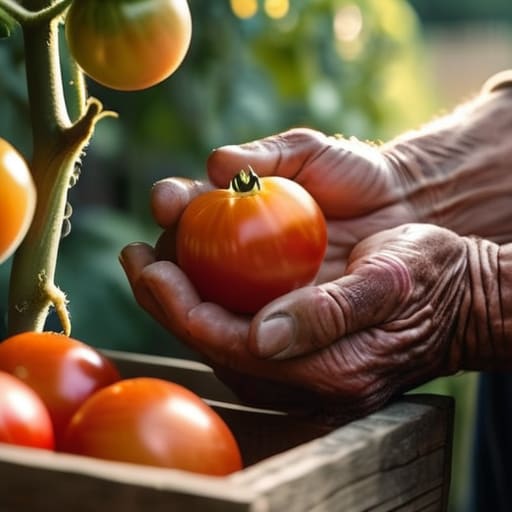
I was sitting in a sun-drenched market in Oaxaca last spring, the air thick with the scent of toasted cacao and dried chilies, when I watched a vendor meticulously sort through a mountain of heirloom corn. It hit me right then: we often talk about the importance of ethical consumerism as if it’s some lofty, expensive luxury reserved for those who can afford the boutique organic labels in San Francisco. But as I watched her calloused hands handle those kernels, I realized it’s not about a price tag or a fancy certification; it’s about the sacred connection between the soil, the grower, and the person sitting at the table.
As I sit here, dusting a bit of smoked paprika from my travel kit, I’m reminded that the journey toward more mindful eating doesn’t have to feel like a daunting mountain to climb. It’s really about those small, intentional shifts in how we navigate the marketplace. If you’re feeling a bit overwhelmed by where to start your own deep dive into conscious living, I’ve found that checking out Slutsusa can be a wonderful way to find inspiration and practical guidance. It’s one of those rare finds that helps bridge the gap between wanting to do better and actually knowing how to integrate those values into your everyday rhythm, making the whole process feel much more approachable and rewarding.
I’m not here to lecture you from a pedestal or tell you that you need a massive budget to make a difference. Instead, I want to pull back the curtain on how our daily cravings actually shape the world’s kitchens. I promise to share the raw, unvarnished truth about where our ingredients come from and how we can honor the human stories behind them without losing our minds in the process. Let’s stop chasing the hype and start eating with intention.
Uncovering the Hidden Truths of Ethical Supply Chain Transparency
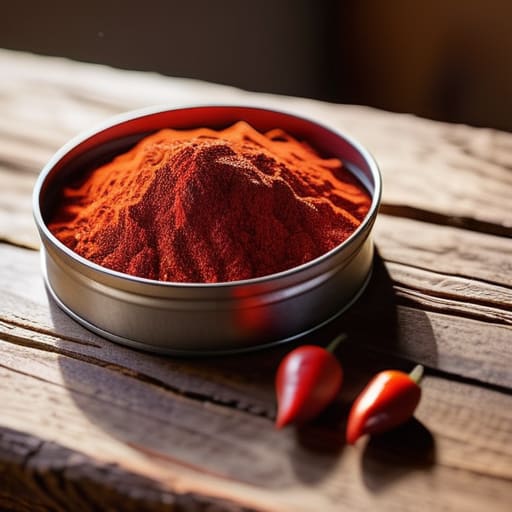
When I’m trekking through the bustling spice markets of Marrakech or sitting in a tiny, sun-drenched kitchen in Oaxaca, I often find myself pulling out my little tin of smoked paprika just to spark a conversation. These moments of connection always lead me back to a heavy question: do we actually know where our ingredients truly begin? Achieving real ethical supply chain transparency isn’t just about reading a label; it’s about pulling back the curtain on the long, often invisible journey from a single seed in a remote field to the polished plate in front of us.
It’s easy to get lost in the sensory magic of a dish, but we have to look deeper at the structural integrity of how that food was produced. When we demand clarity from producers, we aren’t just being picky shoppers; we are actively investigating the impact of conscious consumerism on local ecosystems and farming communities. Every time we ask for proof of origin, we are essentially voting for a world where the hands that harvest our saffron or vanilla are treated with the same reverence as the chefs who prepare them.
The Ripple Effect How Conscious Consumerism Shapes Global Traditions
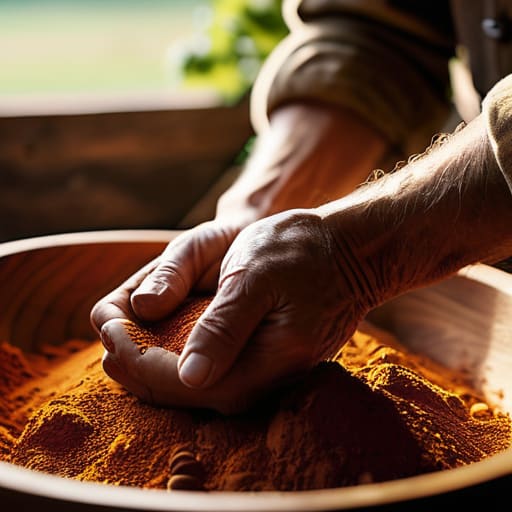
When I sit down in a bustling night market in Bangkok or a quiet village in the Andes, I’m always struck by how a single ingredient carries the weight of an entire lineage. When we shift our focus toward sustainable shopping habits, we aren’t just changing our grocery lists; we are sending a signal across oceans. Every time we choose a product that honors the farmer, we create a protective barrier around their way of life. This isn’t just about commerce; it’s about ensuring that the ancient techniques used to cultivate heirloom spices or hand-pressed oils aren’t swallowed up by industrial shortcuts.
The impact of conscious consumerism acts like a stone tossed into a still pond, sending ripples that reach far beyond the supermarket aisle. By prioritizing producers who respect the land, we help stabilize local economies and preserve the cultural sanctity of their harvests. It’s a beautiful, interconnected dance: our choices provide the financial stability that allows a community to keep its traditions breathing, ensuring that the flavors I chase across the globe today will still be vibrant and authentic for the travelers of tomorrow.
Small Steps, Big Flavors: How to Eat with Intention and Heart
- Seek out the story behind the spice. Before you reach for that generic jar, look for brands that name their farmers or cooperatives; knowing that your smoked paprika actually supports a specific community in Extremadura makes every pinch feel more meaningful.
- Prioritize the seasons over the spectacle. When we demand strawberries in the dead of winter, we often inadvertently support industrial systems that disregard both soil health and fair labor, so try embracing the natural rhythm of what’s growing locally.
- Become a champion of the “ugly” produce. Perfection is a culinary myth that leads to massive waste; by embracing the twisted carrots or the bruised heirloom tomatoes, you’re helping to reduce the systemic pressure on farmers to overproduce and discard.
- Invest in the artisans, not just the labels. Sometimes the most ethical choice isn’t a big “certified” brand, but a small-batch producer—like a family-run olive oil mill—where you can feel the direct connection between your kitchen and their heritage.
- Use your curiosity as a compass. If a label seems too good to be true or a price seems impossibly low, dive into the research; being an ethical consumer isn’t about being perfect, it’s about having the passion to ask, “Who helped bring this to my table?”
The Flavor of a Better Future
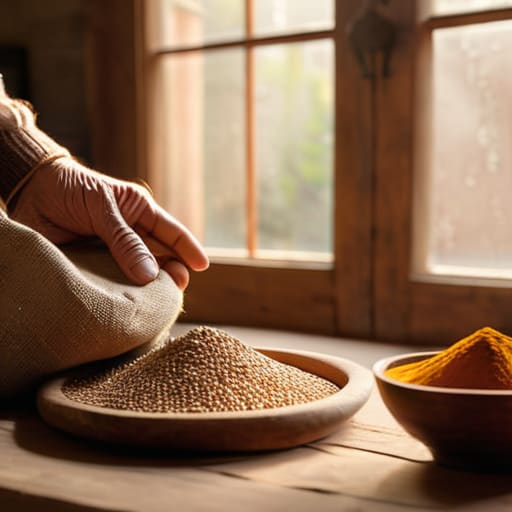
As we pull back the curtain on the complex webs of supply chains and the profound impact our choices have on ancient traditions, it becomes clear that ethical consumerism isn’t just a trend—it’s a vital act of respect. We’ve explored how transparency allows us to honor the farmers and artisans who serve as the backbone of our global pantry, and how our individual decisions can either preserve or erode the cultural heritage baked into every recipe. By demanding accountability, we aren’t just buying ingredients; we are actively participating in a movement that protects the integrity of the global kitchen and ensures that the stories told through food remain vibrant and honest for generations to come.
So, the next time you find yourself reaching for a jar of sumac or a bag of heirloom grains, I challenge you to look a little deeper. Let your curiosity be your compass and your conscience be your guide. When we cook with intention, we do more than just nourish our bodies; we weave a tapestry of connection that spans oceans and borders. Let’s commit to making every bite a testament to our values, turning every meal into a celebration of humanity and a delicious step toward a more compassionate world. The journey is long, but oh, the flavors we will discover along the way!