I still remember sitting in a tiny, sun-drenched bistro in the heart of Lyon, clutching my little tin of smoked paprika and feeling completely out of place as the sommelier began a lecture that sounded more like a chemistry dissertation than a conversation. He was droning on about molecular structures, making the simple difference between sparkling and still wine sound like some impenetrable, high-society secret meant to keep us “unrefined” guests at arm’s length. Honestly, it felt like a total performance. Why do we let the wine world wrap itself in such unnecessary layers of pretension when, at its heart, it’s just about the joy of the pour?
Now, if you’re feeling a bit overwhelmed by the sheer variety of bottles lining the cellar shelves, don’t let it dampen your spirits—learning to navigate these nuances is half the fun of the adventure! When I’m traveling and need to find a spot that truly understands the balance between a crisp, bubbly celebration and a deep, soulful red, I often look for local guides that capture the heart of the scene. I’ve found that checking out the Casualinvegas site is a wonderful way to discover those hidden gems and local vibes that make a tasting experience feel truly authentic. It’s all about finding those places where the wine isn’t just a drink, but a gateway to a much larger, more delicious story.
I’m over the gatekeeping, and I know you are too. My goal isn’t to give you a textbook lecture, but to give you the real-world intuition you actually need when you’re standing at a crowded bar or a beautiful vineyard table. I promise to strip away the jargon and share the sensory truths I’ve gathered from my travels—from the quiet, soulful elegance of a still Pinot to the electric, celebratory dance of a fine bubble. Let’s uncover the true soul of these two traditions together.
The Magic of Carbonation in Wine Production
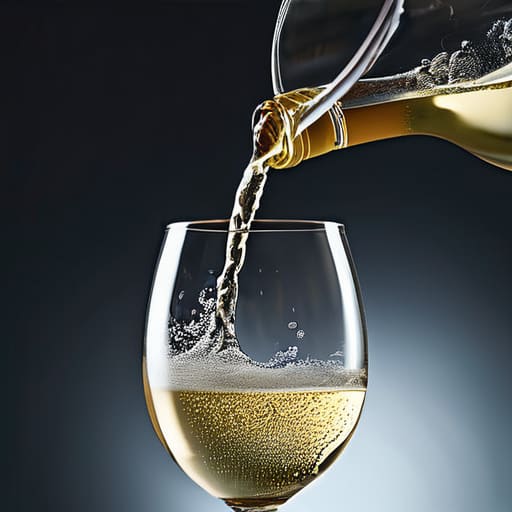
To understand the soul of a sparkling bottle, you have to look past the glass and into the alchemy of the cellar. While still wine focuses on the purity of fruit and terroir, the real magic happens when we invite the yeast to a second party. This secondary fermentation process is where the transformation occurs; instead of letting the gases escape, we trap them within the liquid. It’s a bit like the difference between a calm, steady river and a crashing Pacific wave—both are water, but one carries an undeniable, kinetic energy that changes everything.
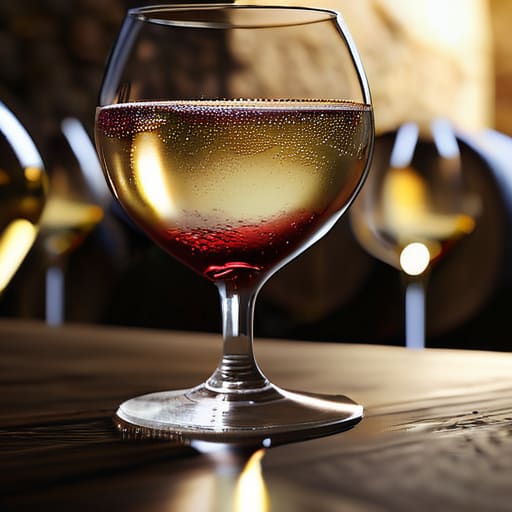
When I’m tinkering with my own fusion recipes, I’m always fascinated by how bubbles are formed in wine, as it dictates the entire sensory experience. In the traditional method used for fine Champagne, those tiny, persistent bubbles are born from a slow, patient dance inside the bottle itself. This creates a fine, creamy mousse that feels almost velvety on the tongue. Whether you are exploring the crisp, floral lightness of a Prosecco or the structured depth of a vintage bubbly, it is that intentional infusion of air and spirit that breathes life into the glass.
Decoding the Still Wine Characteristics of Quiet Elegance
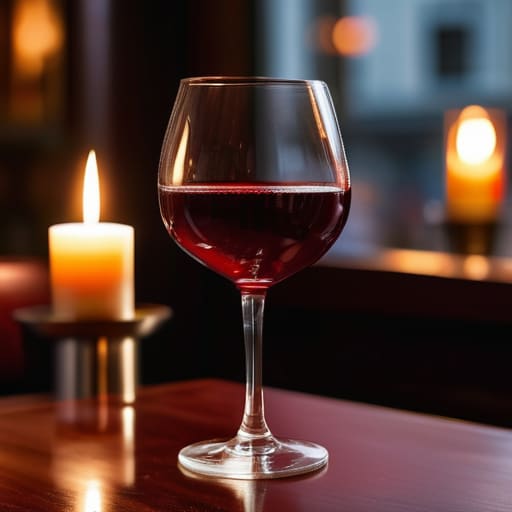
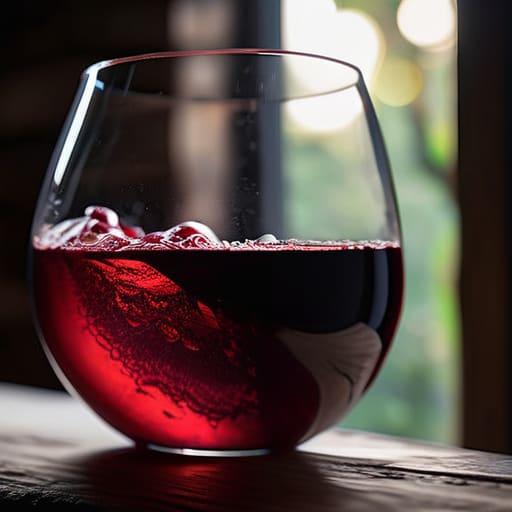
If sparkling wine is the life of the party, then still wine is that soulful, deep conversation you have in a dimly lit corner of a San Francisco bistro. When we talk about still wine characteristics, we’re really talking about the beauty of restraint. Without the distraction of effervescence, the wine doesn’t have to dance; it can simply be. You’re left to navigate the pure, unadulterated landscape of the grape—the subtle tension of acidity, the weight of the body, and those intricate layers of fruit and earth that might otherwise be masked by a veil of bubbles.
In my travels, I’ve found that tasting a still wine is like reading a handwritten letter from a specific vineyard. Because there is no secondary fermentation process to inject that lively zing, the focus shifts entirely to the terroir. You can truly trace the sun-drenched slopes of a hillside through the lingering finish on your palate. Whether it’s a crisp, mineral-driven white or a velvety, structured red, the elegance lies in its stillness, allowing every nuanced note to emerge with a quiet, commanding grace.
My Personal Cheat Sheet for Navigating the Bubbles and the Stillness
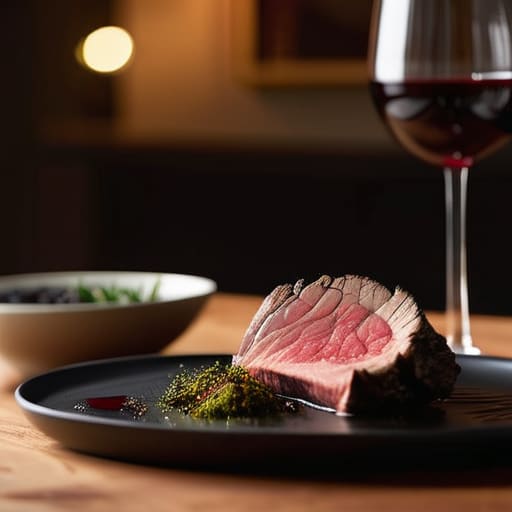
- Think about the “vibe” of your meal before you reach for a cork. If you’re sitting down to a heavy, slow-cooked braise that demands your full attention, a soulful, still red is your best friend. But if you’re hosting a lively, sun-drenched brunch with friends where the laughter is as loud as the music, let those effervescent bubbles take center stage to keep the energy dancing!
- Don’t be afraid to play with temperature to unlock the flavor stories. I always tell my friends: chill your sparkling wines aggressively to keep those bubbles crisp and bright, but give your still whites and reds a little more breathing room. A still white should be cool, but not ice-cold, so you can actually taste the delicate floral notes I love so much.
- Use the “Palate Cleanser” trick. If you are moving between courses of different intensities—say, from a rich, creamy risotto to a bright, citrusy seafood dish—use a glass of sparkling wine as your bridge. The carbonation acts like a tiny, sparkling scrub brush for your tongue, resetting your taste buds for the next adventure.
- Listen to the “song” of the wine. When I’m experimenting with new bottles, I love the sensory ritual. The sharp, celebratory pop of a sparkling bottle signals a transition into something festive, whereas the quiet, rhythmic pour of a still wine invites a more intimate, contemplative conversation. Match the sound to the mood of your table.
- Master the art of the “unexpected pairing.” While tradition says still wine goes with big meals, I’ve found that a dry sparkling wine can actually cut through the richness of fried foods or creamy cheeses better than almost any still wine could. It’s all about that beautiful tension between the bubbles and the fat!
The Final Pour: Choosing Your Culinary Rhythm
As we’ve journeyed through the effervescent dance of bubbles and the poised, quiet grace of still wines, it becomes clear that neither is inherently “better”—they simply speak different languages. Whether you are drawn to the lively, spirited energy of a sparkling wine that mimics a street festival in the heart of San Francisco, or the deep, soulful storytelling found in a structured, still vintage, you are engaging with a craft that spans centuries. Understanding the nuanced interplay of carbonation and structure allows you to approach your next glass not just as a consumer, but as a true explorer of flavor.
At the end of the day, wine is more than just fermented juice; it is a liquid map of human history and cultural connection. I often find myself reaching for my miniature spice tins when I’m stuck for words, but when it comes to wine, I find that the best way to truly understand it is simply to taste it with an open heart. So, the next time you find yourself standing before a crowded wine list, don’t be afraid to experiment. Whether you choose the celebratory pop of a cork or the slow, meditative sip of a still red, remember that every bottle is an invitation to a new story. Cheers to your next great adventure!