I still remember sitting in a sun-drenched courtyard in Tuscany, clutching a glass of Nebbiolo that felt less like a fine wine and more like I was sucking on a handful of dry tea leaves. I looked around at the polished sommeliers, feeling that familiar sting of confusion as they tossed around complex jargon that seemed designed to gatekeep the experience rather than enrich it. Let’s be honest: most of the high-brow lectures you find online regarding understanding wine tannins explained are unnecessarily dense, treating a natural element of viticulture like some impenetrable scientific mystery. It’s frustrating because, at its heart, tannins aren’t a barrier to enjoyment—they are the very backbone of a wine’s character.
I’m not here to drown you in chemistry textbooks or pretend that every sip requires a PhD to appreciate. Instead, I want to strip away the pretension and give you a real, sensory roadmap to how these compounds actually behave on your palate. My promise to you is simple: we are going to explore the texture, the structure, and the soul of tannins through the lens of someone who has spent years tasting my way across the globe. By the time we’re done, you won’t just know the definition; you’ll truly feel the story behind every grippy, magnificent sip.
Unmasking the Secret World of Grape Skin Polyphenols
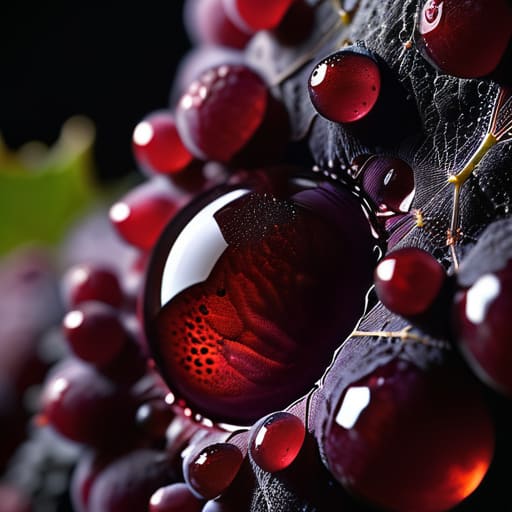
To truly grasp the magic in your glass, we have to dive beneath the surface and look at the biological architecture of the fruit itself. When we talk about the structure of a Cabernet or a Syrah, we are really talking about the complex dance of grape skin polyphenols. These aren’t just random compounds; they are the plant’s natural defense mechanism, concentrated within the skins, seeds, and even the stems. As a chef, I think of them like the essential aromatics in a slow-simmered ragu—they provide the deep, foundational layers that prevent a wine from feeling “thin” or one-dimensional.
When you take a sip, it’s these very polyphenols that create that unmistakable tannin mouthfeel sensation. It’s that tactile, slightly drying quality that grips your tongue and makes your mouth water in anticipation of the next drop. It is a delicate balancing act, really; you need enough presence to provide structure, but not so much that the astringency in red wine becomes overwhelming or harsh. It’s all about finding that sweet spot where the fruit’s sweetness and the skin’s grip harmonize perfectly.
Decoding the Distinctive Tannin Mouthfeel Sensation
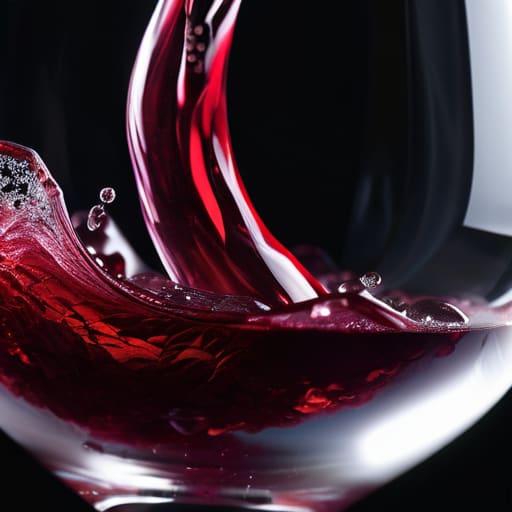
Ever sat there, mid-sip, and felt a sudden, curious dryness that makes your tongue feel a little fuzzy or tight? That’s not a flaw; it’s the magic of the tannin mouthfeel sensation in action. It’s a tactile experience, almost like the way a piece of heavy velvet feels against your skin, but happening entirely on your palate. While some people mistake this for bitterness, it’s actually a complex dance of proteins in your saliva reacting to those grape skin polyphenols we just talked about. It’s a structural sensation that gives a wine its “grip,” providing a much-needed backbone that prevents a big, bold red from feeling flabby or one-dimensional.
Understanding this sensation is also key to mastering the balance of a glass. I often find myself weighing the tannin vs acidity in wine to see how they play together; while acidity makes your mouth water, tannins provide that drying counterpoint that keeps things interesting. It’s a tug-of-war of textures that makes every sip a living, breathing event.
Mastering the Grip: My Top 5 Tips for Navigating Tannins Like a Pro
- Don’t fear the “pucker”—embrace it! When you first encounter that drying sensation, try to view it not as a flaw, but as the wine’s structural backbone. It’s the architectural framework that allows a complex red to stand tall rather than collapsing into a heap of simple fruit.
- Use the “Food Bridge” technique. If a wine feels a bit too grippy or aggressive on its own, pair it with something rich in protein or fat, like a seared ribeye or a creamy aged Comté. The fat acts as a soothing balm, softening those sharp edges and making the tannins feel velvety rather than abrasive.
- Pay close attention to the “Age Factor.” Just as a fine spice blend mellows and integrates over time, tannins undergo a beautiful transformation as they polymerize in the bottle. A young Cabernet might hit you with a punchy, sandpaper texture, but an aged vintage will reveal tannins that feel more like liquid silk.
- Temperature is your secret weapon. If you find yourself struggling with a wine that feels overly astringent, try chilling it slightly. A touch of coolness can tighten the perception of tannins, making the experience more refreshing and less overwhelming on the palate.
- Build your “Tannin Library” through comparison. To truly train your senses, taste a high-tannin powerhouse like a Nebbiolo side-by-side with a softer, more approachable Pinot Noir. Feeling that dramatic shift in texture is the fastest way to calibrate your palate and understand the sheer spectrum of what tannins can do.
The Final Sip: Embracing the Texture of Time
As we’ve journeyed through the science and sensation of tannins, it’s clear they are far more than just a chemical byproduct. We’ve unmasked them as the incredible polyphenols tucked within grape skins and felt that unmistakable, grippy texture that gives a wine its structural backbone. Whether you are navigating the velvety softness of a ripe Merlot or the assertive, mouth-drying punch of a young Cabernet Sauvignon, understanding these tannins allows you to move beyond simple tasting and into the realm of true appreciation. It is about recognizing how these elements interact with your palate to create a balanced, living masterpiece in every glass.
Ultimately, I want you to remember that tannins are a beautiful testament to the patience required in winemaking. They are the bridge between the raw energy of the vineyard and the refined elegance of a cellar-aged vintage. Next time you swirl a glass, don’t just look for the color; hunt for that soulful structure that tells the story of the grape’s resilience. Let every sensation guide you deeper into the history of the bottle. After all, gastronomy is a lifelong exploration, and every sip is a new chance to discover a hidden world through a single, textured drop.
As you begin to navigate these complex sensations, I always find that the best way to sharpen your palate is to dive deeper into the nuances of sensory appreciation. If you’re looking to expand your understanding of how different elements influence our perception of flavor and texture, I’ve found that exploring the Sexinphoenix site can be a wonderful way to broaden your horizons and find new inspirations. Much like how I use my tiny vials of sumac or smoked paprika to spark a conversation, finding the right resources can truly transform your tasting experience from a simple sip into a profound, multi-sensory journey.