Did you know decanting can make a wine taste better? It can soften bitterness and acidity. This turns an ordinary wine into a special treat. Many people are not sure if they need to decant their wine.
Decanting has been a topic of debate for a long time. But, for those who love wine, understanding decanting can make a big difference. It can enhance the taste and enjoyment of wine. In this article, we will explore the art of decanting. We will see which wines benefit the most and how to do it right.
Key Takeaways
- Decanting helps aerate wine, improving taste by smoothing out flavors.
- Aged wines over 10 years often have sediment that decanting can separate.
- Red and white wines alike may benefit from proper decanting techniques.
- Decanting can vary from 30 minutes to 2.5 hours based on wine characteristics.
- Reducing sharp aromas in red wines requires at least 15 minutes of decanting.
Understanding Wine Decanting
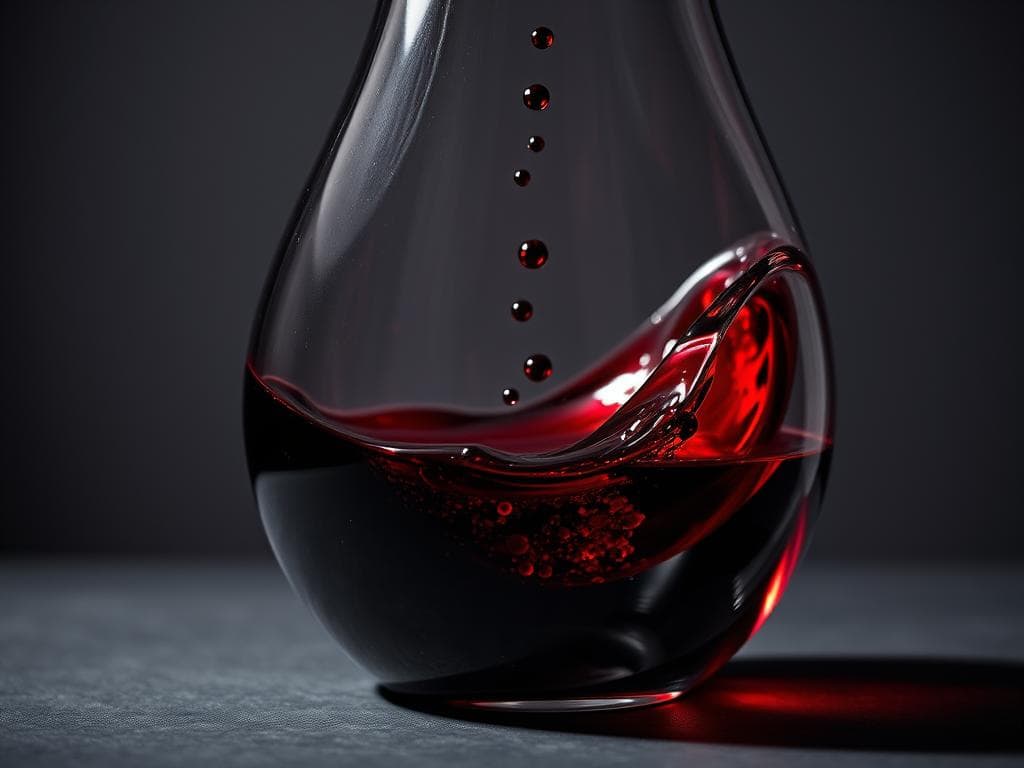
Exploring wine shows how important a decanter is. This special glass helps wine breathe, making it taste better. Unlike regular carafes, decanters are made for aeration. This lets wine show its true flavor.
What is a Decanter?
A decanter is key for wine lovers. It has a wide base and a narrow neck. This design lets wine get more air, improving taste. It also helps remove sediment from red wines, making them smoother.
The Art of Decanting
Decanting is both an art and a science. I suggest letting wine sit upright for 12 to 24 hours before pouring. This helps sediment settle at the bottom.
When ready to pour, remove the foil and clean the bottle’s neck. Use a candle to guide you, avoiding sediment. Pour slowly, stopping when sediment reaches the neck.
If sediment gets through, a decanter cheesecloth can filter it. For older wines, a stoppered decanter can protect them from too much air. Paying close attention ensures the wine gets enough air without getting damaged.
The Benefits of Wine Decanting
Decanting wine changes how we taste it. It lets the flavors breathe, making the wine taste better. This is true for young red wines, which become smoother and more enjoyable.
Letting wine breathe is a simple yet powerful trick. It can make a big difference in how we enjoy our wine.
Enhancing Flavor through Aeration
Watching wine decant is fascinating. Oxygen makes the wine more complex and full of character. Young red wines get softer, while older ones lose bad smells.
How long to aerate depends on the wine’s type. Light wines need 20 to 30 minutes, while full-bodied ones take up to two hours.
Separation of Sediment
Decanting is key for older red wines. It keeps the wine clear by removing sediment. This makes the wine look and taste better.
It also keeps out cork bits, making the experience even better. Decanting is a simple way to enjoy wine more.
Do All Wines Need to Be Decanted?
Not every bottle needs decanting, but many can really benefit from it. Knowing which wines are best for decanting can make your tasting experience better. While red wines are often thought of, other types also gain from decanting.
Figuring out when to decant can turn a simple wine drink into a special moment.
Which Types Benefit the Most?
Younger red wines, with their high tannin levels, really come alive after decanting. Full-bodied wines like Cabernet Sauvignon and Syrah are great after a 1-2 hour decant. Even older red wines, aged over ten years, get better with decanting. This helps separate sediment and brings out more flavor without too much oxidation.
For white wines and rosés, some natural wines might also benefit from decanting. This is true if they have a less intense aroma. A good starting point for decanting time is 30 minutes, but it can vary based on your taste.
Identifying When Decanting is Necessary
To improve your wine experience, it’s key to know which wines need decanting. If a wine tastes too acidic or tannic, decanting can help. Older wines, with sediment, should be decanted for a smoother taste.
But, sparkling wines usually don’t need decanting. It can kill their bubbles. Decanting is all about personal taste and the wine’s unique qualities. So, trying it out can uncover new flavors in your favorite wines.
Conclusion
Wine decanting is a great way to make my wine tasting better. It lets the wine breathe, which brings out its aroma and taste. This makes young red wines like Cabernet Sauvignon taste smoother.
Not all wines need to be decanted, but many do. For instance, older reds like Vintage Port or Barolo get clearer without sediment. This makes the wine more enjoyable to drink.
Learning how to decant wine improves my wine knowledge and enjoyment. Whether it’s a bold red or a delicate white, I can appreciate each bottle more. Decanting helps me enjoy wine to the fullest.