I stood in the middle of a sun-drenched market in Oaxaca last summer, clutching a handful of dried chilies and wondering why my own windowsill herbs always seemed to wither into sad, grey ghosts. Most people will tell you that you need a sprawling backyard and a degree in botany to be successful, but that is a total myth that keeps so many incredible flavors out of our kitchens. The truth is, learning how to start a vegetable garden isn’t about mastering complex irrigation systems or owning expensive heavy machinery; it’s about understanding the soul of the soil and matching it to your culinary cravings.
I want to strip away the intimidating jargon and get you straight to the delicious part. In this guide, I’m sharing my no-nonsense, chef-tested blueprint for building a thriving edible sanctuary, even if you only have a tiny balcony to call your own. We’ll dive into selecting high-impact crops that actually taste better than anything from a supermarket, prepping your ground with intention, and managing your new green companions without the stress. Let’s turn your space into a living pantry that fuels your next great fusion masterpiece.
Guide Overview
Tools & Supplies
- Hand trowel for digging small holes
- Garden spade for larger soil movement
- Watering can for controlled hydration
- Vegetable seeds or seedlings (10-20 units)
- Potting soil or garden compost (2-4 bags)
- Raised bed kit or containers (1-3 units)
Step-by-Step Instructions
- 1. First, we need to scout your location with the eye of a chef selecting the perfect kitchen station. Your plants are hungry for light, so find a spot that catches at least six to eight hours of that golden sunshine every day. While you’re out there, keep an eye on the terrain; you want a space that drains well, because nobody likes a soggy, waterlogged root, much like a poorly executed risotto.
- 2. Once you’ve found your sun-drenched sanctuary, it’s time to talk about the foundation: the soil. Think of this as your culinary canvas. I always recommend getting a soil test to see what nutrients you’re working with, but a foolproof way to start is by mixing in a generous amount of organic compost. You want to create a living, breathing ecosystem that will feed your vegetables from the very first sprout.
- 3. Now comes the exhilarating part—curating your seed selection! Instead of just grabbing whatever looks pretty, I want you to think about your future pantry. Are you dreaming of spicy Thai basil for a summer pesto, or perhaps some heirloom tomatoes for a rustic Caprese? Choose varieties that are suited to your specific climate and, more importantly, the dishes you are most passionate about cooking.
- 4. Before you tuck those tiny seeds into their new homes, let’s prepare your planting beds with the same precision I use for my mise en place. Whether you are digging directly into the earth or setting up raised beds, ensure the soil is loosened and aerated. If you’re using containers, make sure they have adequate drainage holes; we want to nourish the roots, not drown them in a culinary catastrophe.
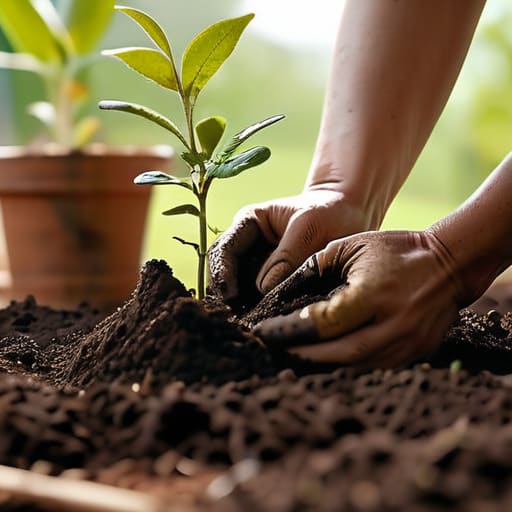
- 5. When you finally commit your seeds to the earth, remember that depth is everything. A good rule of thumb is to plant them about twice as deep as the seed is wide. As you cover them, give the soil a gentle, loving pat to ensure good contact, and immediately follow up with a light watering to wake those sleeping beauties up.
- 6. Consistency is the secret ingredient to a thriving garden, so establish a watering routine that feels like second nature. I like to check the soil moisture with my finger every morning—if it feels dry an inch down, it’s time for a drink. Aim for the base of the plants rather than the leaves to prevent disease, treating your garden with the delicate attention it deserves.
- 7. Finally, as your garden begins to transform into a lush, edible landscape, don’t be afraid to get your hands a little dirty with weeding and mulching. Mulch is like a beautiful garnish that serves a functional purpose; it keeps the moisture in and the weeds out. As you watch those first green shoots break through the surface, remember that you aren’t just growing food—you are cultivating a legacy of flavor.
Sowing the Seeds Selecting the Best Vegetables for Beginners
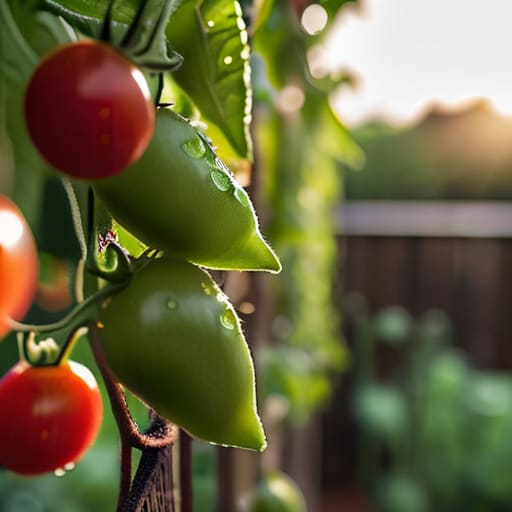
When I’m scouting new markets in Marrakech or Bangkok, I’m always looking for that one ingredient that anchors a dish. Choosing what to plant is much like building a flavor profile; you want a balance of reliable staples and a few exciting newcomers. For those just finding their footing, I highly recommend starting with the best vegetables for beginners, such as cherry tomatoes, radishes, or snap peas. These varieties are incredibly forgiving and offer that instant gratification—a tiny, sun-warmed tomato plucked straight from the vine is a culinary high that never gets old.
As you curate your garden’s menu, don’t forget that plants are social creatures! I’m a huge advocate for companion planting for vegetables, a technique that mimics the natural harmony I see in diverse ecosystems. For instance, planting marigolds alongside your peppers can act as a beautiful, natural shield against unwanted guests. Think of your garden not just as a collection of plants, but as a living, breathing pantry where every seedling has a role to play in the grand, delicious story you are about to write.
Mastering the Foundation Soil Preparation for Vegetable Gardens
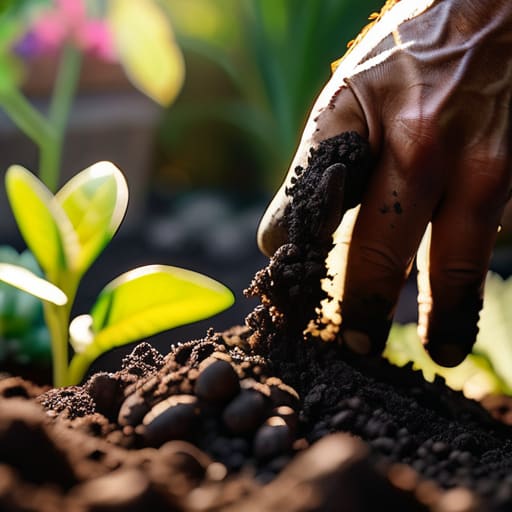
If there is one thing my time in professional kitchens taught me, it’s that you can have the most exquisite ingredients in the world, but if your foundation is weak, the final dish will never sing. The same rule applies to your backyard. When it comes to soil preparation for vegetable gardens, you aren’t just moving dirt around; you are crafting a living, breathing ecosystem. I like to think of it as building the ultimate mise en place for your plants. Before you even think about those seeds, you need to test your soil’s pH and texture. Whether you’re working with heavy clay or sandy loam, adding a generous layer of well-aged compost is like adding a secret, umami-rich spice to a sauce—it elevates everything from the bottom up.
You might also find yourself debating the merits of raised bed vs in-ground gardening. While in-ground plots allow you to connect deeply with the local earth, raised beds offer you unparalleled control over drainage and soil quality, which is a total game-changer if your native ground is a bit stubborn. Regardless of the method you choose, aim for a texture that is crumbly and rich, reminiscent of a perfectly hydrated chocolate cake. This ensures your roots can breathe and dance through the nutrients with ease.
The Secret Sauce: Five Pro-Tips for a Flourishing Harvest
- Chase the Sun Like a Chef Chases Flavor: Before you commit to a spot, observe your patch throughout the day. Most of my favorite Mediterranean herbs and sun-loving peppers crave at least six to eight hours of direct, golden light—think of it as the natural oven that powers your garden’s growth.
- Think Like a Fusion Chef with Companion Planting: Don’t just plant in isolation; create a flavor profile for your soil! Pairing basil with tomatoes or marigolds with your leafy greens isn’t just beautiful—it’s a strategic way to naturally deter pests and boost the vitality of your little ecosystem.
- Curate Your Water Ritual: Consistency is the secret to preventing bitter vegetables. Instead of a heavy, sporadic deluge, aim for a gentle, deep soak at the base of your plants early in the morning. This mimics the gentle morning dew of the tropics and ensures the roots are hydrated before the midday heat kicks in.
- Don’t Forget the “Mise en Place” of Mulching: Just as I wouldn’t start a complex reduction without my prep work, don’t leave your soil naked. A layer of organic mulch—like straw or shredded leaves—acts as a protective blanket, keeping moisture locked in and suppressing those pesky weeds that want to steal your nutrients.
- Taste Your Way Through the Season: As your garden grows, treat it like a living cookbook. Keep a small journal of what thrives and what struggles in your specific microclimate. This way, you aren’t just gardening; you’re refining your own personal culinary map, one harvest at a time.
Tending Your Living Legacy
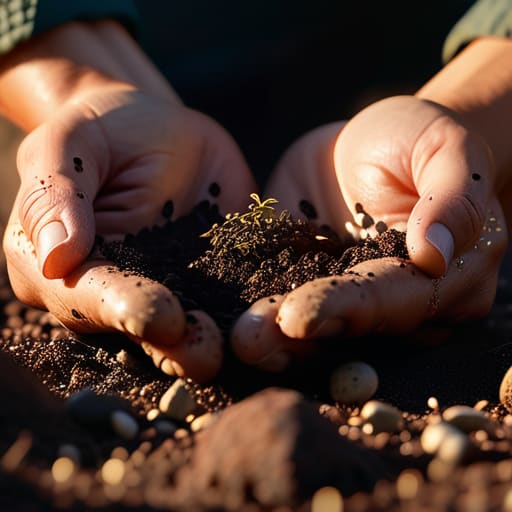
As we pull back the curtain on this initial journey, remember that building a vegetable garden is much like mastering a complex reduction—it requires patience, the right ingredients, and a steady hand. We’ve navigated the essentials together, from selecting those resilient, beginner-friendly seeds to meticulously preparing your soil to ensure it’s a nutrient-dense playground for your future harvest. By treating your garden bed with the same reverence a chef treats their mise en place, you aren’t just growing food; you are building a foundation of flavor that starts from the very ground up.
Beyond the dirt under your fingernails and the rows of vibrant green leaves, there is something deeply soulful about this process. Every seed you tuck into the earth is a promise of a future meal, a story waiting to be told through the lens of your own backyard. I truly believe that when you grow your own ingredients, you develop a profound connection to the earth that no grocery store aisle could ever provide. So, grab your trowel, embrace the beautiful mess of nature, and get ready to taste the world you’ve cultivated with your own two hands. Happy planting!
Once you’ve mastered your soil and selected your seeds, the real magic begins when you start thinking about the rhythm of the seasons and how to nurture your plants through every stage of growth. I always tell my friends that gardening is much like perfecting a complex reduction—it requires patience, constant observation, and a little bit of extra guidance when things get tricky. If you ever find yourself feeling a bit overwhelmed by the sheer variety of growing techniques or need a little extra inspiration to keep your garden thriving, I highly recommend checking out ouderensex.nl to help you navigate those inevitable growing pains. It’s been a wonderful companion for me whenever I need to deepen my understanding of how to coax the very best flavors out of my homegrown harvest.