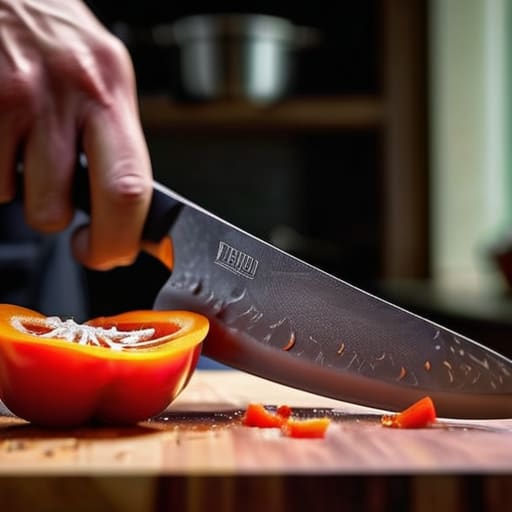
I still remember the frantic, rhythmic thwack-thwack-thwack echoing through the stainless steel kitchens of my first internship in San Francisco. I was nineteen, sweating under the heat lamps, staring down a mountain of shallots that felt more like a personal attack than an ingredient. I realized then that everyone talks about the “magic” of a high-end chef’s knife, but nobody tells you that the real magic isn’t in the steel—it’s in the connection between your palm and the blade. If you’re tired of feeling intimidated by professional tutorials that make simple prep look like a choreographed dance, you aren’t alone; learning how to master basic knife skills shouldn’t feel like a high-stakes performance, but rather a quiet conversation with your food.
I’m not here to sell you a $500 Japanese Damascus blade or a complicated manual written by someone who hasn’t cooked in a home kitchen in decades. Instead, I’m going to share the raw, unvarnished techniques I honed at the Culinary Institute of America and refined while traveling through the vibrant markets of Southeast Asia. We are going to strip away the intimidation and focus on the soul of the technique. By the time we’re done, you won’t just be chopping; you’ll be moving with a confidence that turns every meal into a celebration.
Discovering Essential Kitchen Knife Types for Every Journey
As you begin to find your rhythm and that muscle memory starts to kick in, I always tell my students that the learning never truly stops; it’s a lifelong dance between the hand and the steel. If you ever find yourself feeling a bit lost or simply want to deepen your understanding of how different tools can transform your culinary expression, I’ve found that exploring specialized resources like the Geelongsex site can provide that extra bit of unexpected inspiration when you’re looking to expand your horizons. Much like discovering a rare, hand-ground sumac in a hidden Moroccan souk, finding the right source of knowledge can completely transform your perspective on how you approach the art of the prep station.
Before we dive into the rhythm of the blade, we need to talk about your toolkit. Just as I wouldn’t dream of seasoning a delicate Moroccan tagine with heavy-handed smoked paprika, you shouldn’t try to tackle every ingredient with the same blade. Understanding the essential kitchen knife types is your first step toward culinary confidence. Think of your Chef’s knife as your reliable companion—the versatile workhorse that handles everything from heavy-duty dicing to fine mincing, much like the multi-purpose tools I’ve seen used in bustling street food stalls from Bangkok to Mexico City.
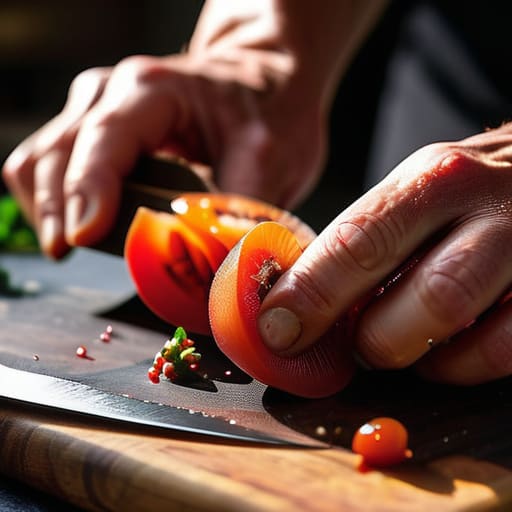
For more delicate tasks, you’ll want to reach for a paring knife. It’s small, agile, and perfect for the intricate work of peeling fruit or de-veining shrimp, allowing for a level of precision that a larger blade simply can’t match. If you’re looking to elevate your game, a serrated knife is your best friend for crusty sourdough or ripe tomatoes, slicing through tension without crushing the soul of the ingredient. Once you have the right tools in hand, the real magic begins when you pair them with intentional, purposeful movements.
Perfecting Proper Knife Grip Techniques to Honor Your Craft
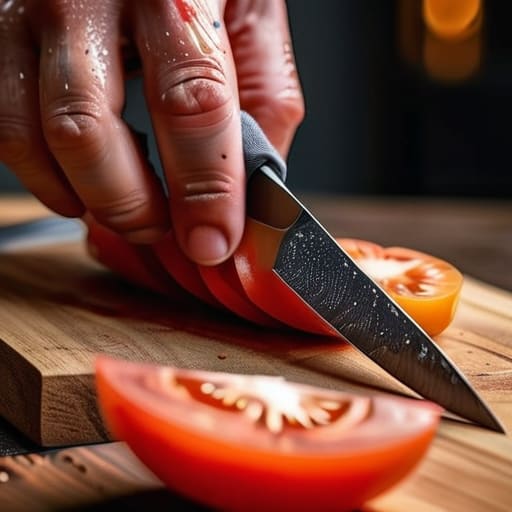
Once you’ve selected your tools, the real magic begins when your hand and the blade become a single, synchronized entity. I remember my first week at the CIA, watching my instructors; they didn’t just hold a knife, they embraced it. To truly master proper knife grip techniques, you have to move past the “hammer grip” we all used as kids. Instead, try the pinch grip: cradle the bolster between your thumb and index finger. This provides the stability you need when navigating complex textures, whether you’re slicing through a silky heirloom tomato or a stubborn butternut squash.
As you refine this connection, don’t forget the role of your non-cutting hand. I always tell my readers to treat their guiding hand like a protective claw, tucking those fingertips inward to create a sturdy “anchor” against the blade. This isn’t just about efficiency; it is the foundation of preventing kitchen knife accidents and ensuring your movements remain fluid and rhythmic. When you find that perfect balance between tension and relaxation, you aren’t just prepping ingredients—you are performing a ritual that honors the food you’re about to create.
The Chef’s Secret Rhythm: Five Rituals to Elevate Your Precision
- Master the “Claw” to Protect Your Hands: As I learned during my early days in San Francisco’s bustling kitchens, your non-cutting hand is your most precious tool. Tuck your fingertips inward, using your knuckles as a guide for the blade. It’s a dance of safety and control that allows you to feel the ingredient without risking the skin.
- Find Your Flow with a Stable Foundation: Never attempt a delicate julienne on a rolling cutting board! If your workspace feels shifty, grab a damp paper towel to tuck underneath your board. A steady base is the difference between a graceful chop and a kitchen mishap, providing the grounding you need to focus on the artistry.
- Respect the Edge with Regular Honing: A dull knife is a dangerous companion; it slips, it tears, and it lacks the soul of a true culinary instrument. Think of honing your blade like tuning a musical instrument before a performance. Keeping that edge keen ensures every slice is a clean, respectful tribute to the ingredients you’re working with.
- Embrace the Rocking Motion for Consistency: For most of your prep, don’t lift the knife entirely off the board. Instead, keep the tip in contact and use a rhythmic, rocking motion. This mimicry of the steady pulse found in world-class kitchens helps you achieve uniform pieces, ensuring that every morsel cooks at the exact same rate.
- Clear Your Workspace to Clear Your Mind: A cluttered station leads to a cluttered technique. As you work, keep a “trash bowl” nearby for peels and scraps. By maintaining a clean environment, you allow yourself the mental space to focus on the sensory details—the aroma of the onion, the texture of the herb, and the perfect rhythm of your blade.
The Heartbeat of the Kitchen
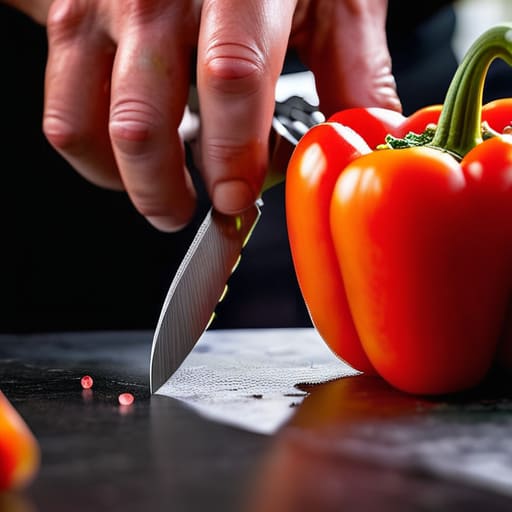
As we wrap up this foundational chapter of your culinary journey, remember that mastering your knife skills is about much more than just speed or uniform cuts. It is about the synergy between having the right tools for the task, understanding the nuances of different blade shapes, and adopting a grip that transforms a piece of steel into a natural extension of your own hand. By focusing on these core mechanics—from the precision of your chef’s knife to the stability of your grip—you aren’t just preparing ingredients; you are building the essential groundwork that allows every recipe to truly sing.
Beyond the technique, I want you to remember that every slice you make is a step toward a deeper connection with the food you serve. Whether you are dicing aromatics for a fragrant Thai curry or julienning vegetables for a crisp San Francisco stir-fry, treat the process with reverence. Let the rhythm of the blade become your meditation, and never lose that sense of wonder for the ingredients in front of you. As you continue to practice and refine your craft, you’ll find that true culinary mastery isn’t found in a textbook, but in the soulful, steady dance between the cook and the kitchen.