Did you know over 67% of consumers worldwide now choose products with recyclable or biodegradable packaging? This shows a big change in what people want. As we look to 2025, food packaging is set for big changes. Brands are changing to meet new consumer needs and economic shifts.
Packaging is now key to attracting customers. Vicki Strull, with experience at Hershey’s and Cheerios, points out six trends for the future. These trends focus on sustainable and eco-friendly packaging. They also aim to create emotional connections through unique designs, helping brands succeed in a changing market.
Key Takeaways
- The global sustainable packaging market is projected to reach $352.8 billion by 2025.
- Over 67% of consumers prioritize recyclable or biodegradable packaging.
- Smart packaging, including IoT technology, enhances product freshness tracking.
- Partnerships are advancing innovations in bio-based materials for packing.
- Brands are addressing sustainability through edible and compostable packaging solutions.
Key Trends in Food Packaging Innovations
Food packaging is changing fast, with three big trends leading the way. We’re seeing more luxury packaging that’s affordable, a big push for eco-friendly options, and designs that bring back memories. These changes show how the industry is adapting to what people want today, balancing quality, being green, and touching hearts.
Luxury on a Budget
Luxury packaging is now for everyone, not just the fancy brands. Companies are getting creative with materials and designs to offer a high-end look without the high price. This makes it easier for more people to enjoy premium experiences, even with everyday items.
The Ongoing Sustainability Push
More and more people want to buy green, so eco-friendly packaging is on the rise. New materials like seaweed-based bioplastics are being used. Brands like Notpla are using ocean materials to cut down on plastic. Companies like Canopy by WestRock are focusing on recyclable packaging, showing they care about the planet. These steps are good for the environment and meet the demand for sustainable choices.
Nostalgic Vibes in Design
Nostalgic design is back in food packaging, and it’s big. Brands are using old-school graphics and fonts to bring back happy memories. This design makes people feel connected and comfortable, making products stand out and build loyalty.
Transforming Food Storage: The Future of Packaging
Looking into the future of food storage, we see two main trends. These are health-conscious packaging and flexible packaging solutions. They aim to make food safer and reduce harm to the environment.
Health-Conscious Packaging
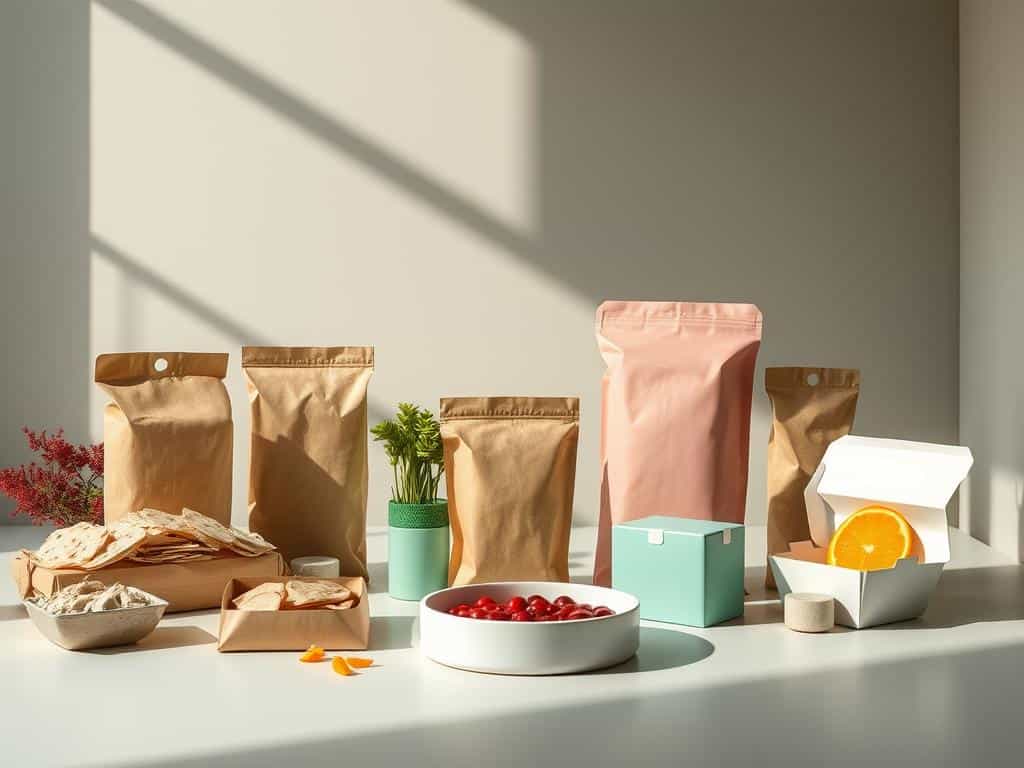
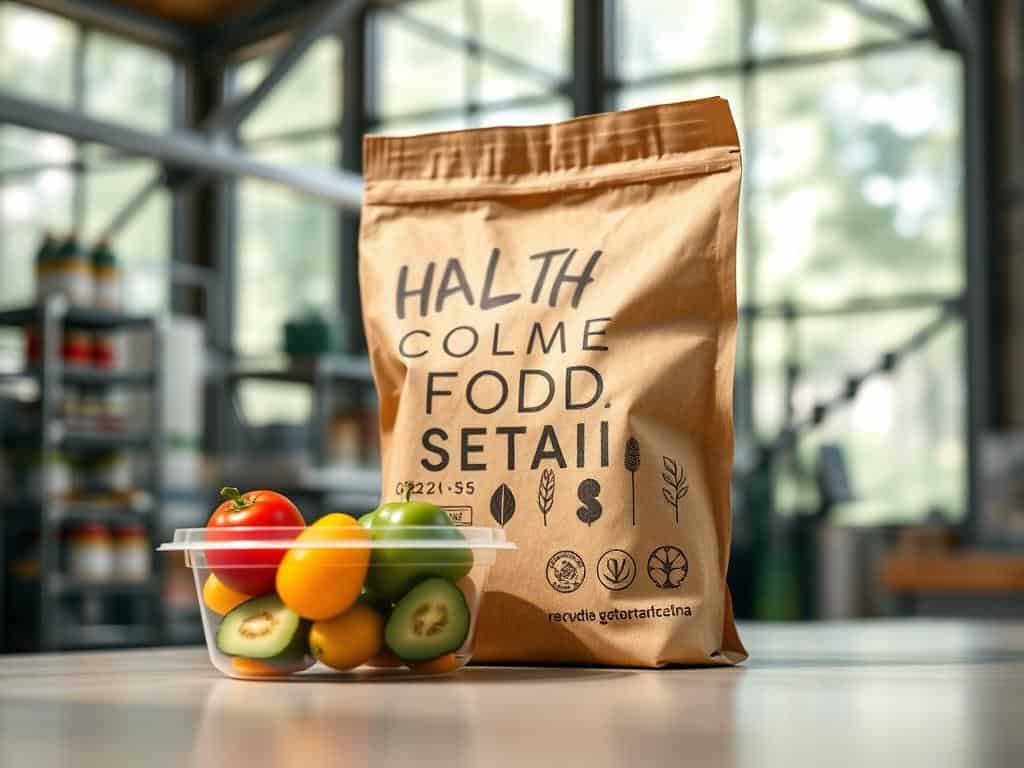
More people want safer, greener packaging options. Biodegradable paper, plant-based materials, and compostable packaging are leading this change. They cut down on waste and solve food storage problems.
Active packaging technologies are also gaining attention. They absorb moisture, stop bacteria, and release gases to slow down spoilage. This helps both makers and buyers.
Intelligent packaging is another big step forward. It uses sensors and labels that show when food goes bad. This keeps food fresh and safe for longer. Edible packaging, like seaweed wraps, also cuts down on waste and gets rid of plastic.
Flexible Packaging Solutions
Flexible packaging keeps getting better. Now, we have wraps made from corn starch or seaweed that are better for the planet. They make food storage easier and healthier.
Reusable and refillable packaging, like glass jars and metal tins, are also popular. They help reduce waste and make shopping more sustainable.
Nanotechnology helps keep food fresh by blocking moisture and oxygen. It also adds antimicrobial particles for better safety. Smart labels and QR codes share important info on food, making the industry more open.
With the snack food packaging market growing, these innovations are leading us to a greener, healthier future.
Conclusion
Looking at the future of food packaging, it’s clear that going green is key. Brands are using biodegradable materials like PLA and starch blends. This makes it easier for us to choose eco-friendly options.
This change meets what consumers want and helps the planet. Edible packaging and ways to keep food fresh longer show how big of a difference we can make. It’s all about reducing waste in our daily lives.
There’s also a push for simple packaging designs. Companies are coming up with recyclable and reusable solutions. This shows they care about waste and want to be efficient.
For example, P&G’s Eco-Box and Amcor’s paper-based solutions are leading the way. They show how smart design can make packaging better for both us and the planet.
As we head towards 2025, the food packaging world faces big challenges. It needs to grow sustainable solutions and keep up with what people want. Brands that focus on this will win over customers and help our planet.
I think the talk about new packaging will keep pushing us to make better choices. It’s all about protecting our products and taking care of the environment.