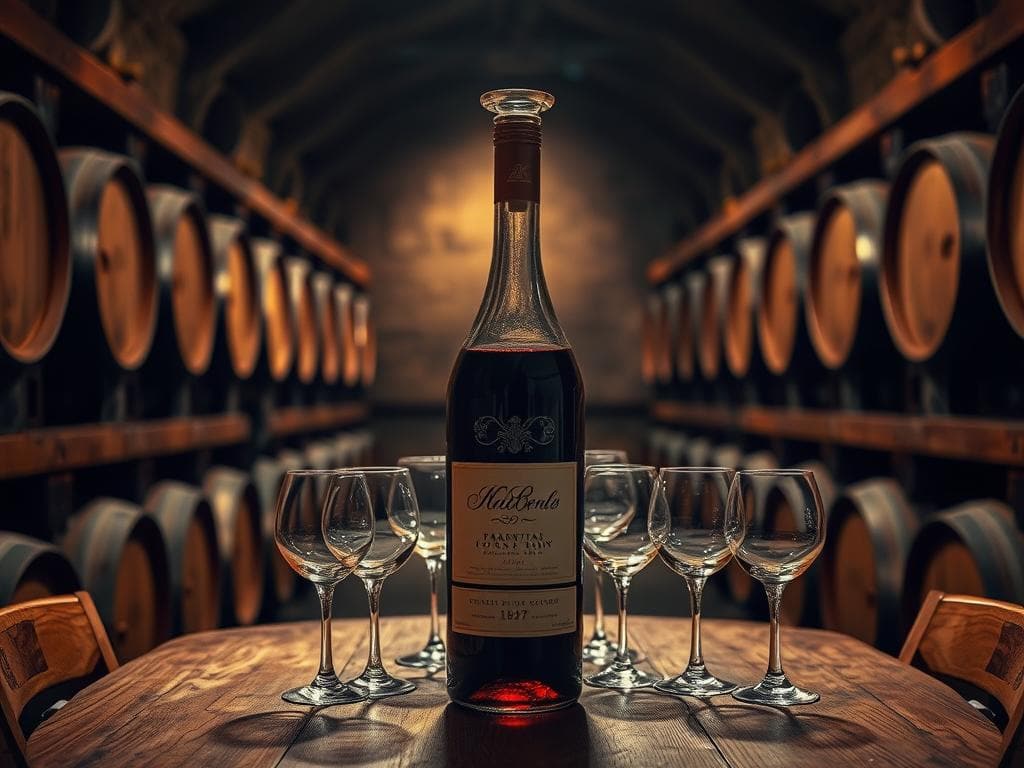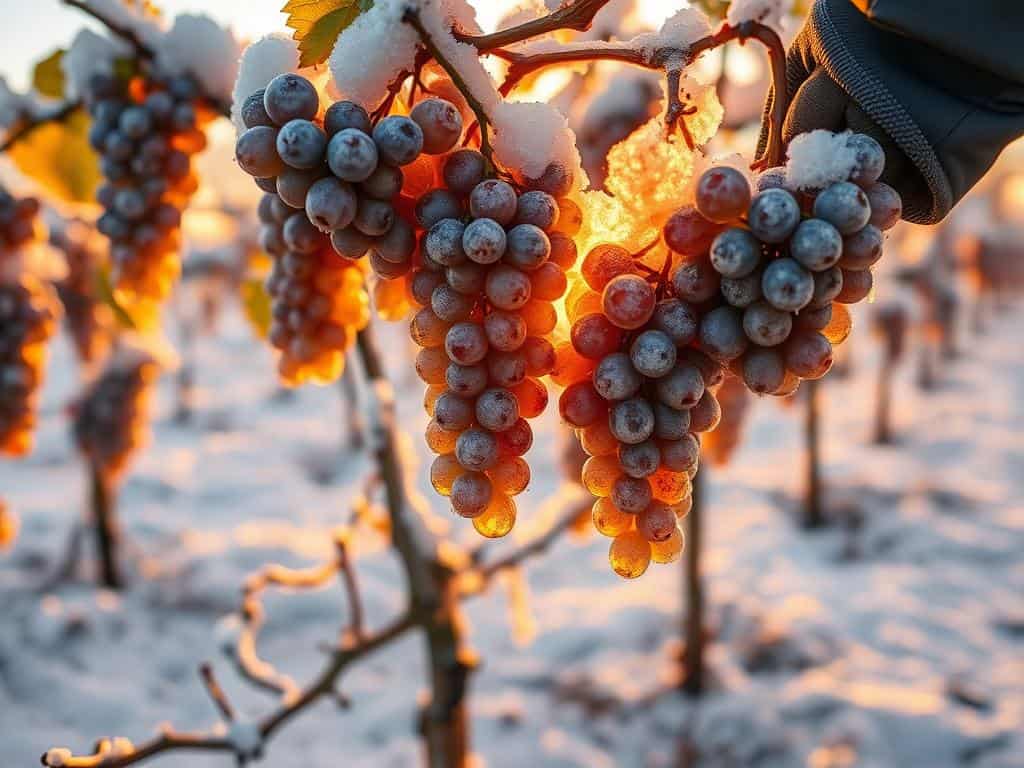
Did you know it takes about four times as many grapes to make a bottle of ice wine as regular wine? This shows how much work and care goes into making this special dessert wine. Ice wine is known for its sweet taste and unique way of being made.
It’s made from grapes that freeze on the vine, left there until it’s very cold. This makes the wine rich and sweet, but also expensive because it’s hard to make. In this article, we’ll look into how ice wine is made, its origins, and why it costs so much.
Key Takeaways
- Ice wine is made from grapes that freeze naturally on the vine, resulting in concentrated sweetness.
- Harvesting frozen grapes is done by hand to ensure quality and precision.
- Production standards are strict, ensuring only grapes of the highest quality are used.
- Ice wine offers exceptional aging, developing complex flavors over time.
- Only a small percentage of grapes can be used in the production of ice wine, significantly raising costs.
- Environmental factors such as temperature and wildlife play a key role in ice wine yield and quality.
- The fermentation process for ice wine can take months, making it even more exclusive.
Understanding Ice Wine and Its Origins
Ice wine is a luxurious dessert wine with a rich history. It started in Germany and Austria in the late 18th century. The process began as a happy accident and evolved into a structured way of making it.
I find it fascinating how the climate and grape variety create unique flavors. These flavors define ice wine today.
Historical Background of Ice Wine Production
The discovery of ice wine, or Eiswein, happened in Franken, Germany, in 1794. Winemakers found a surprise when they pressed grapes that froze on the vine during a harsh winter. These grapes, picked at 20°F (-7°C), have the perfect sugar and acidity balance.
This balance is what makes ice wine so captivating. As production techniques improved, German ice wine became famous. It’s known for its luxurious charm and complex flavors.
The Rise of Canadian Ice Wine
By the 1980s, Canada became a big player in ice wine, mainly in Ontario’s Niagara Peninsula. They adopted the German craft and used their own grape varieties like Vidal Blanc and Riesling. Canadian ice wine is famous worldwide for its sweetness and complexity.
It rivals the best German ice wines. Canada’s challenging climate and commitment to quality make their luxury dessert wines exceptional. They delight wine lovers all over the world.
The Detailed Process of Making Ice Wine
Making ice wine is a detailed process. Each step is important for quality and uniqueness. It starts with harvesting grapes and ends with fermentation.
Harvesting Frozen Grapes
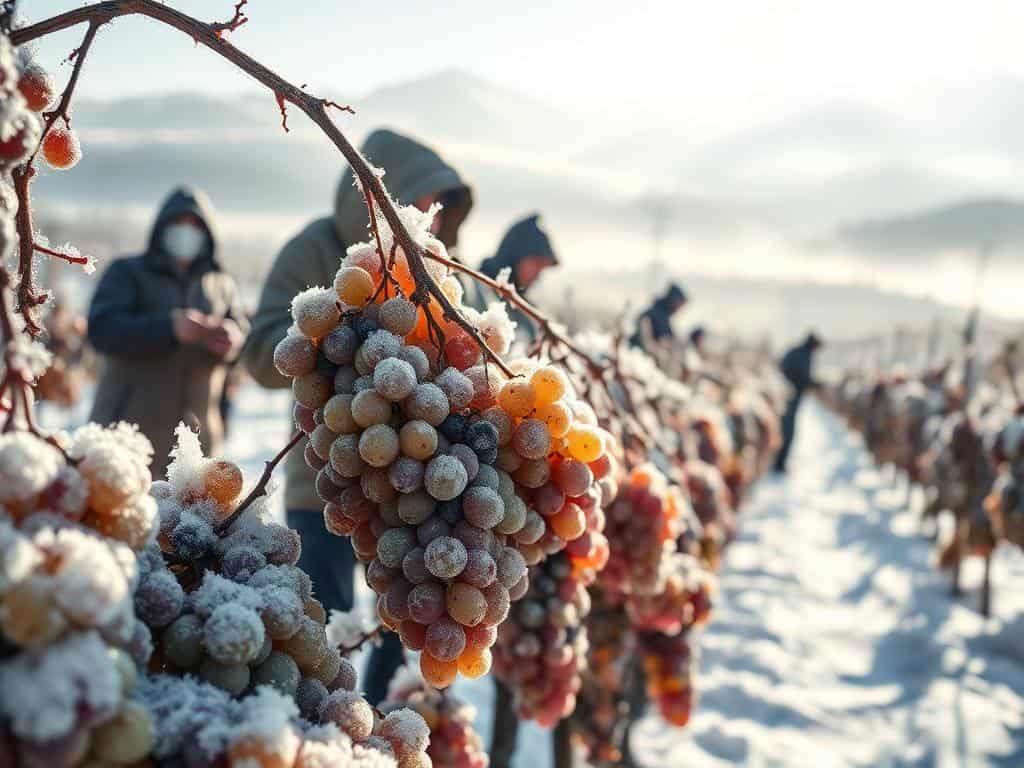
Harvesting ice wine grapes is a precise task. I wait for temperatures to drop to -8°C (17.6°F) or lower. Winemakers watch the weather closely for the perfect picking time.
Grapes must stay frozen during harvest. I pick grapes in the early morning for the coldest conditions. Each grape is hand-picked, requiring a lot of labor and care. This is why ice wine is more expensive than regular wine.
Pressing and Fermentation
After picking, the grapes are pressed at low temperatures. Only 10% to 20% of juice is extracted. This process concentrates sugars, flavors, and aromas.
Then, fermentation starts, which can take several months. Fermenting sweeter wines can take three months. Those aiming for higher alcohol levels may need up to six months. This slow process is key to achieving the perfect taste and complexity.
Conclusion
Ice wine is a luxury that comes from a special process. It needs the right weather and timing. This makes the wine sweet and full of flavor.
The way ice wine is made is hard work. It’s also weather dependent. This makes each bottle rare and special.
Ice wine is loved for its taste and how it ages well. It gets even better with time. This makes it a favorite among wine lovers.
Ice wine is pricey because it’s hard to make. Only a little is made each year. This makes every bottle a unique find.
Ice wine’s popularity comes from its taste and how it’s made. Places like Canada are leading in making it. Despite challenges, its charm will keep it popular for a long time.