Did you know 80% of American cooks use pre-packaged meals? This means they miss out on traditional cooking techniques. These methods are not just about following recipes. They’re about the journey of creating flavors that have lasted for centuries.
Culinary historian Ken Albala talks about this in “Food in Early Modern Europe.” He shows how skills and techniques have been passed down through generations. By learning these practices, we connect more with our food. We appreciate the details of traditional cooking and improve our cooking skills.
Imagine making sauerkraut, yogurt, or a Dutch baby from scratch. Each dish has a story that goes beyond time. It’s time to revive and celebrate these lost arts on our flavorful journey.
Key Takeaways
- Traditional cooking connects us to our culinary heritage.
- Essential practices include making sauces, pastas, and fermented dishes.
- Patience is key in developing authentic flavors.
- Ingredients sourced from gardens enhance cooking authenticity.
- Being hands-on fosters a deeper understanding of the cooking process.
Understanding Traditional Cooking
Exploring traditional cooking gives us a peek into its rich history and key ingredients. These methods have been passed down for generations, showing us a lot about cultures and values. The way different areas cook, like using fermentation or wood-fired ovens, shapes their food scenes.
Each cooking technique has its own story, adding to our understanding of a community’s heritage.
The Historical Significance of Cooking Techniques
Cooking is more than just making food; it’s a journey through history. For example, mole in Mexico tells stories of joy and sorrow. The bitter mole negro might represent grief, while sweeter moles celebrate happy times.
These cooking methods are not just about taste; they’re also about sharing stories. They connect us through shared experiences and traditions, highlighting the importance of each recipe.
Key Ingredients in Traditional Cooking
Traditional ingredients are key to keeping dishes true to their roots and adding cultural flavors. Shirley Ting’s Egg Foo Young is a great example. It combines flavors from Jiangxi, Macau, and Hong Kong, keeping traditions alive while pleasing today’s taste buds.
Learning about these ingredients helps me appreciate the history behind each dish. It shows how flavors are linked to personal and shared stories.
Reviving Traditional Cooking Techniques
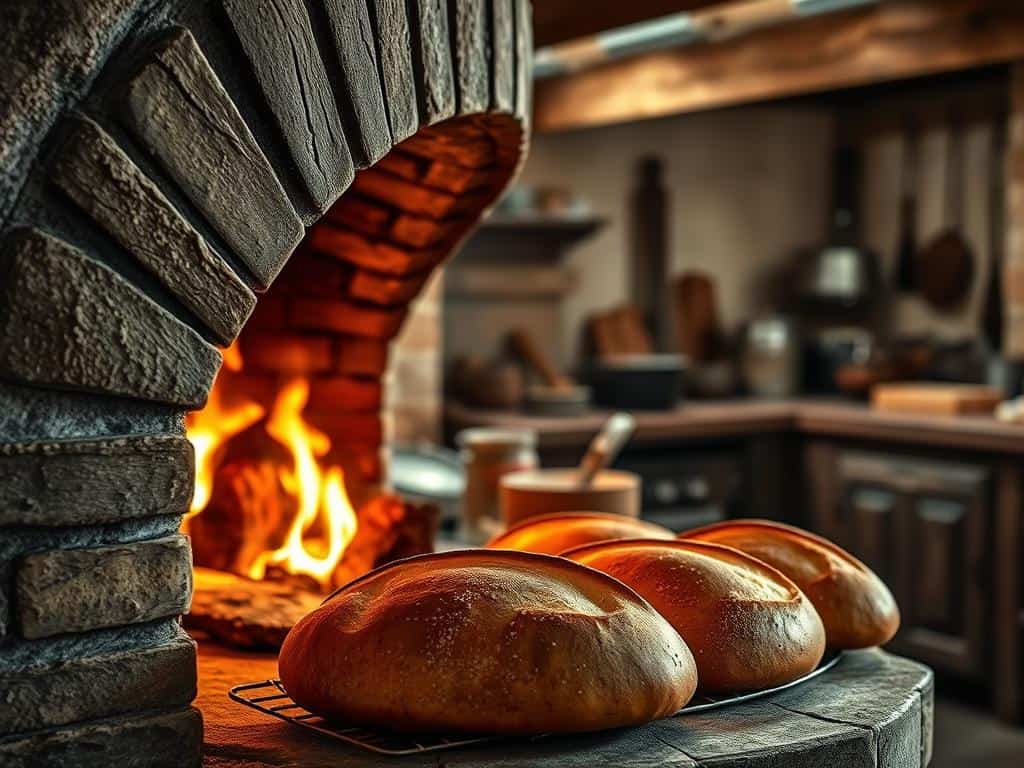
Bringing back traditional cooking techniques has made my kitchen richer. Wood-fired ovens are key, thanks to their role in Italian cooking. They create a unique Maillard reaction, making food crispy outside and tender inside.
Wood-Fired Ovens: A Culinary Tradition
Wood-fired ovens let me discover real flavors in dishes. They cook food with intense heat, unlike regular ovens. This heat adds a smoky flavor, making meals more enjoyable.
Cooking with wood-fired ovens connects me to a long history of cooking. It’s a way to honor centuries of culinary traditions.
Handmade Pasta: Making Pasta from Scratch
Handmade pasta adds authenticity to my meals. It’s a craft that turns simple ingredients into something special. Each batch of pasta is unique, with a texture and freshness that store-bought can’t match.
This hands-on approach lets me express my creativity. It’s rewarding to enjoy the fruits of my labor.
Fermentation Practices in Traditional Cooking
Fermentation techniques have caught my attention. They preserve food and boost its nutritional value. Methods like lacto-fermentation make dishes like kimchi and sauerkraut popular.
These practices help me understand food preservation through culture. They let me connect with ancient traditions while enjoying tasty meals.
Conclusion
Exploring traditional cooking has shown us the deep knowledge in culinary heritage. We’ve seen how cooking techniques and ingredients have evolved over time. This journey has made us value the cooking skills passed down through generations.
Using wood-fired ovens and making pasta by hand has improved my cooking. It also connects me to the traditions that shaped our food. UNESCO recognizing eight cuisines as part of Intangible Cultural Heritage is a big reminder of preserving these practices.
By using these old techniques, I connect with the past in a meaningful way. It bridges time, place, and the cultural importance of food. The challenges in defining traditional foods highlight the complex link between local and global food trends. This journey has made me appreciate food more and enriched my life.