I remember sitting in a dimly lit bistro in Florence, watching a sommelier pull out a gadget that looked more like a piece of laboratory equipment than a culinary tool. He spent five minutes fussing over valves and glass tubes, making the whole process feel like a high-stakes chemistry experiment rather than a moment of pure enjoyment. It’s one of those common misconceptions that knowing how to use a wine aerator requires a degree in physics or a massive budget for designer glassware. Honestly? That kind of pretension is the fastest way to kill the soul of a great meal.
I’m not here to sell you on expensive gimmicks or complicated rituals that take you away from the conversation at the table. Instead, I want to give you the straight truth, stripped of the snobbery, based on years of tasting my way through global kitchens. I’ll show you exactly how to use a wine aerator to let those stubborn tannins soften and those hidden, vibrant aromatics finally sing. We’re going to focus on the practical, sensory reality of aeration so you can spend less time tinkering with gadgets and more time savoring the story in your glass.
Unlocking the Bouquet Improving Wine Flavor With Aeration
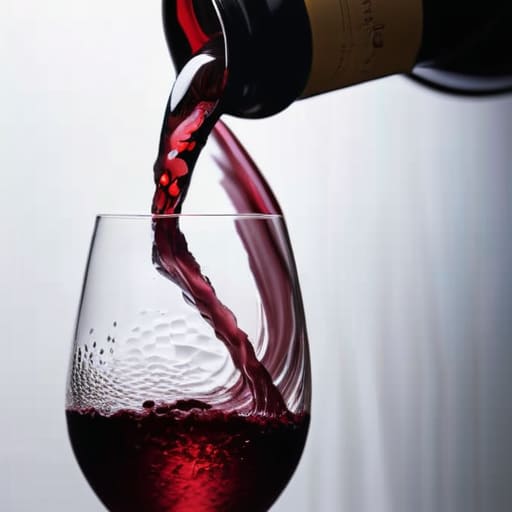
Think of aeration as the moment a shy traveler finally finds their voice in a crowded room. When you pour a wine through an aerator, you aren’t just moving liquid; you are inviting oxygen to dance with the wine’s complex compounds. This process is essential for improving wine flavor with aeration, as it helps to soften those aggressive, sometimes astringent tannins that can make a young red feel a bit too “tight” or unapproachable. By allowing the wine to breathe through the device’s specialized chambers, you’re essentially coaxing the hidden layers of fruit, spice, and earth to rise to the surface, making the experience much more harmonious on your palate.
Now, I often get asked about the difference between decanting and aerating, and it really comes down to your timeline and the wine’s personality. While a decanter is a beautiful, slow-burn ritual for letting a vintage settle over an hour or two, an aerator is your high-speed culinary companion for instant gratification. If you’re sitting down to a dinner and realize your Cabernet needs a little nudge to wake up, the aerator provides that immediate burst of life, transforming a closed-off bottle into a vibrant, storytelling masterpiece in seconds.
The Ritual of Texture How Aeration Affects Tannins
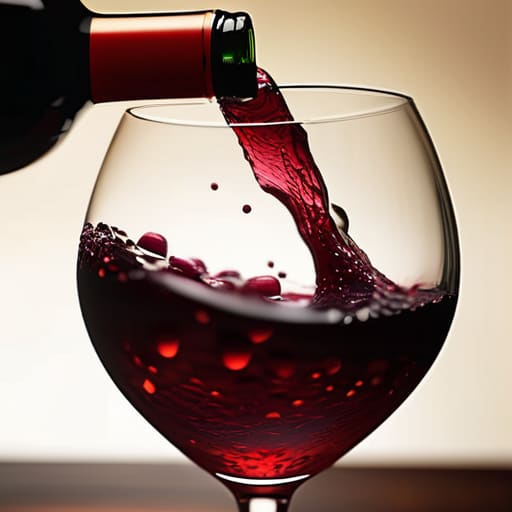
If you’ve ever taken a sip of a heavy Cabernet and felt like you were chewing on velvet-wrapped sandpaper, you’ve experienced the raw power of tannins. These polyphenols are the backbone of a wine’s structure, but when they are overly tight or “aggressive,” they can mask the delicate fruit notes I love so much. This is where the magic happens. By using an aerator, you aren’t just adding oxygen; you are essentially polishing the wine’s edges. As the liquid rushes through the device, the sudden influx of air helps soften those harsh, astringent sensations, transforming a jagged mouthfeel into something silky and sophisticated.
Understanding how aeration affects tannins is really about finding that sweet spot between structure and grace. While a heavy-bodied Syrah might need a vigorous swirl to loosen up, a lighter Pinot Noir might find its balance almost instantly. It’s a bit like how I use my miniature jars of smoked paprika to mellow out a sharp curry—it’s all about finding that perfect equilibrium. When you master this ritual, you stop just drinking wine and start tasting its true character, allowing the texture to dance across your palate rather than clashing against it.
Mastering the Pour: My Little Secrets for Perfect Aeration
- Timing is everything, my friends. Don’t just rush the pour; if you’re working with a particularly bold, youthful Cabernet, give it a few minutes to settle in the decanter after it’s passed through the aerator. Think of it as giving the wine a moment to find its footing before the big performance.
- Watch your velocity! While it’s tempting to pour with gusto to get that air mixing, try to find a steady, rhythmic stream. You want to invite oxygen in like a warm embrace, not shock the wine with a violent splash that might disrupt its delicate structure.
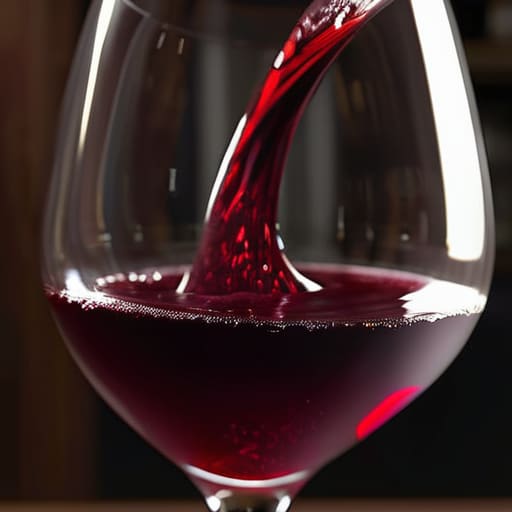
- Keep an eye on the color. As you pour through your aerator, pay close attention to the way the light hits the liquid. If you notice the color brightening or shifting slightly, you’re seeing the magic happen in real-time—the wine is literally waking up!
- Don’t forget the temperature dance. I always tell my kitchen friends that an aerator can actually help slightly temper a wine that’s a bit too chilled. If your red is a tad too cold, the aeration process can help bring it closer to that perfect, room-temperature sweet spot where the aromas really sing.
- Cleanliness is the ultimate respect. Just as I wouldn’t dream of using a contaminated spice tin, never let your aerator sit with old residue. A quick, thorough rinse with warm water after every single use ensures that the next bottle you open tastes exactly as the winemaker intended, without any uninvited guests.
Bringing the Story to Life
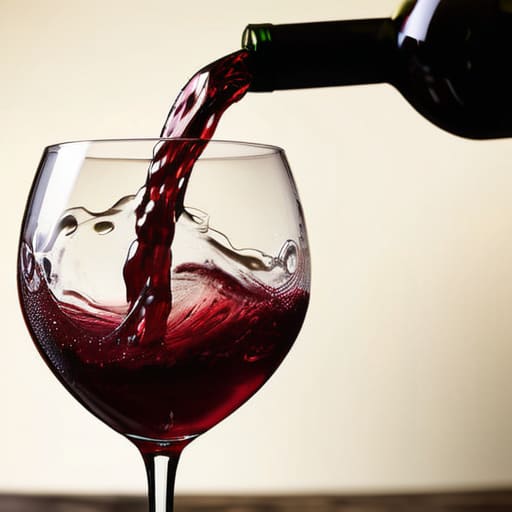
At the end of the day, mastering the use of a wine aerator isn’t about following a rigid set of rules; it’s about understanding how to invite the wine to speak. We’ve explored how a quick pour through an aerator can instantly soften those stubborn, grippy tannins and how the influx of oxygen works its magic to unveil the complex, hidden aromatics tucked away in the bottle. Whether you are smoothing out a heavy Cabernet or coaxing a delicate red into its full glory, aeration is your most effective tool for transforming a simple drink into a multi-sensory experience. It is the bridge between a closed-off liquid and a vibrant, breathing masterpiece.
As I pack my miniature spice tins for my next culinary adventure, I’m reminded that whether it’s a pinch of smoked paprika or a splash of oxygen, the smallest additions often yield the most profound transformations. I want you to view your next glass not just as a beverage, but as a living history of the soil and sun. Don’t be afraid to experiment with timing, flow, and intensity. Use your aerator as a key to unlock the secrets held within the cork, and remember that every pour is an opportunity to celebrate the incredible art of gastronomy. Cheers to the stories waiting to be tasted!
Of course, as you begin to master the rhythm of aeration, you might find yourself wondering which specific bottles truly crave that extra burst of oxygen and which ones prefer a more subtle approach. I always tell my readers that the real magic happens when you pair your newfound technique with the right tools and guidance; if you’re looking to elevate your entire sensory experience, checking out the curated collections at flingcanada is a wonderful way to discover exceptional selections that are practically begging to be aerated. It’s all about finding those hidden gems that reveal their most complex, soulful layers once you finally give them the space to breathe.