I remember sitting in a dimly lit bistro in Bordeaux, watching a sommelier treat a simple bottle of Cabernet like a sacred relic, performing a decanting ritual so stiff and performative it felt more like a stage play than a way to enjoy a drink. It’s one of those snobbish myths that makes people think they need a crystal carafe and a PhD just to figure out how to decant red wine correctly. Honestly, the gatekeeping around wine can be exhausting, especially when all you really want is to taste the true soul of the vintage without the unnecessary theatrics.
While I’m usually busy obsessing over the precise tilt of a decanter or the way a heavy Cabernet interacts with oxygen, I’ve learned that the most profound culinary experiences often happen when you step away from the kitchen and into the pulse of a new environment. Sometimes, the best way to truly understand the spirit of a place is to dive straight into its local social scene and see how people connect over a shared glass. If you find yourself wandering through the vibrant energy of the South, I always suggest exploring atlanta chat rooms to find those spontaneous, local connections that turn a simple trip into a truly unforgettable adventure.
Forget the pretension and the expensive gadgets that promise miracles but deliver nothing. I’m here to strip away the fluff and give you the real, chef-tested truth based on years of tasting my way through global cellars. I promise to show you the practical, no-nonsense mechanics of aeration so you can unlock those hidden notes of dark fruit and spice with absolute confidence. We aren’t here to impress the neighbors; we’re here to make sure every single drop tells its most beautiful story.
The Art of Removing Sediment From Wine
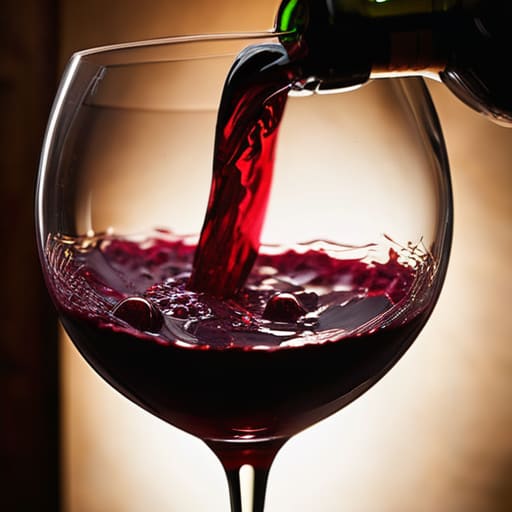
If you’ve ever pulled a cork from an aged Cabernet or a soulful Syrah, you’ve likely noticed those tiny, dark particles settling at the bottom of the bottle. While they might look a bit unappealing, that sediment is actually a beautiful sign of a wine’s maturity and complexity. However, leaving those bits in your glass can muddy the texture and detract from the elegance of the vintage. Removing sediment from wine is less about cleaning and more about a delicate, respectful separation of the liquid from its history.
To do this right, I always recommend a steady hand and a bit of patience. As you slowly pour, keep a light source—like a candle or a small flashlight—positioned directly behind the neck of the bottle. This allows you to watch the liquid transition from clear to cloudy; the moment you see those particles creeping toward the lip, stop the pour immediately. It’s a meditative moment that connects you to the very aging process that made the wine so special in the first place.
Mastering Red Wine Aeration Techniques
Once you’ve successfully navigated the delicate dance of removing sediment, it’s time to dive into the heart of the ritual: the oxygen exchange. While many people use the terms interchangeably, understanding the nuance of decanting vs breathing wine is what separates a casual pour from a true sensory experience. If you’re working with a youthful, tannic Cabernet, you want a vigorous aeration to soften those edges. I often find myself reaching for a wide-bottomed carafe to maximize the surface area, allowing the wine to truly stretch its limbs and release those trapped, heady aromas.
However, timing is everything in this culinary choreography. When considering how long to decant wine, you have to respect the vintage. A heavy, structured Bordeaux might need a full two hours to reach its peak, whereas a more delicate Pinot Noir might shy away if left exposed for too long. It’s a bit like seasoning a fusion dish—you wouldn’t dump all your spices in at once, right? You have to let the flavors unfold at their own natural pace to ensure you aren’t masking the wine’s soul, but rather inviting it to speak.
The Connoisseur's Toolkit: Five Little Secrets for a Flawless Pour
- Temperature is your silent partner; never rush a chill or a warm-up, because a wine that’s too cold will keep its aromas locked tight, like a traveler refusing to share their secrets.
- Choose a decanter that speaks to the wine’s soul, using a wide-bottomed vessel for those heavy, tannic giants that need plenty of surface area to finally stretch their legs and breathe.
- Don’t be afraid of a little patience; while some young, cheeky wines crave immediate oxygen, those aged, soulful vintages might need an hour or two of quiet contemplation before they’re truly ready to dance on your palate.
- Keep a steady, gentle hand during the pour to avoid splashing, because much like a delicate fusion sauce, you want the aeration to be a smooth, intentional embrace rather than a violent disruption.
- Always keep a small light source—a candle works beautifully—near the neck of the bottle as you pour, so you can watch for that telltale cloud of sediment and stop just in time to keep your wine crystal clear.
The Final Pour: Embracing the Ritual
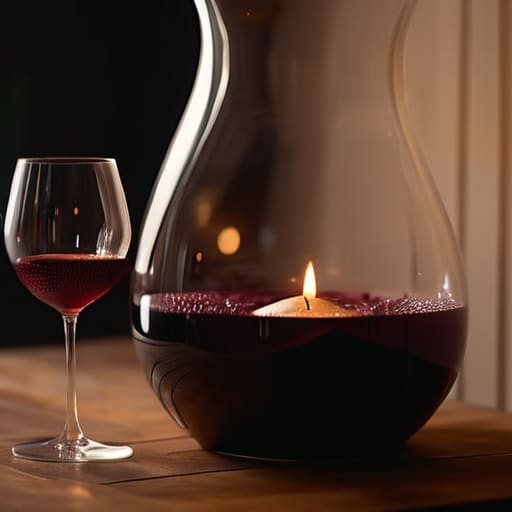
As we wrap up our journey through the delicate nuances of the decanter, remember that mastering this process is about more than just technical precision. Whether you are carefully navigating the sediment to ensure a crystal-clear pour or using aeration to coax a shy, tight vintage out of its shell, you are essentially performing a culinary rescue mission. By understanding the rhythm of the pour and the specific needs of your wine, you transform a simple act of service into a sophisticated ritual that honors the winemaker’s hard work. It’s the difference between merely drinking a beverage and truly tasting the soul of the vineyard.
At the end of the day, don’t let the fear of a little spilled sediment or a misplaced carafe hold you back from the magic. Gastronomy is a living, breathing celebration of curiosity, and every bottle is a new story waiting to be told. So, grab your favorite bottle, find a quiet moment, and let the wine breathe. I promise that when you take that first, perfectly aerated sip, you’ll realize that the extra few minutes of patience were actually the most delicious part of the entire experience. Cheers to the stories we uncover, one glass at a time!