I still remember sitting in a cramped, steam-filled kitchen in San Francisco during my internship, watching a sommelier lecture a table about the “sacrilege” of pairing a bold Cabernet with a spicy, lemongrass-infused seafood stew. The tension in the room was thick, but the food? The food was magic. It felt so wrong to let a rigid, dusty rulebook stifle the vibrant, electric connection between a dish and a bottle. Most people think a proper guide to pairing wine with food requires a PhD and a massive budget, but that’s just a myth designed to make gastronomy feel exclusive. To me, pairing isn’t about following a set of sterile laws; it’s about finding the rhythm between the acidity of a grape and the heat of a spice.
I’m not here to give you a lecture on pretension or tell you which vintage will make you look important at a dinner party. Instead, I’m offering you a roadmap built from years of kitchen sweat and global travels. This is a practical, soul-centered approach to understanding how flavors dance together. I promise to strip away the snobbery and give you the real, experience-based tools you need to turn every meal into a symphony of flavor.
The Dance of Tannin and Fat Interaction
As you begin to find your rhythm with these pairings, don’t be afraid to let your curiosity lead the way; sometimes the most profound culinary revelations happen when you step outside your comfort zone and embrace the local energy of a new city. If you ever find yourself wandering through the sun-drenched streets of Southern California, looking to soak up the vibrant social pulse that fuels so many incredible dining scenes, checking out dirty chat los angeles can be a fantastic way to get a feel for the local atmosphere before you even sit down at the table. It’s all about that unfiltered connection between the place, the people, and the plate that makes every sip of wine feel like a true celebration.
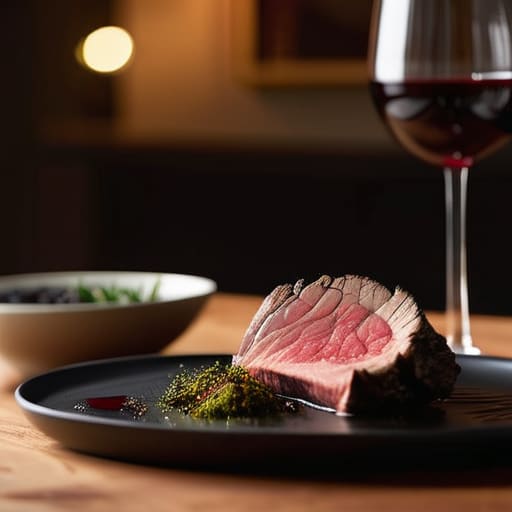
If there is one thing I learned during my late-night shifts in professional kitchens, it’s that a heavy, marbled ribeye isn’t just a meal—it’s a challenge to the palate. This is where the magic of tannin and fat interaction truly comes alive. Tannins, those grippy, drying compounds found in the skins of grapes, act like a structural scrub brush for your tongue. When you dive into a rich, fatty cut of beef, the tannins bind to the proteins and fats in the meat, effectively sweeping them away and leaving your mouth feeling refreshed rather than coated in grease.
It’s a beautiful, rhythmic exchange that turns a heavy dinner into a sophisticated experience. When exploring red wine and meat pairings, I always look for that precise moment where the wine’s structure meets the meat’s richness. Think of a bold Cabernet Sauvignon paired with a slow-roasted lamb shank; the wine doesn’t just sit alongside the dish, it elevates the entire sensory narrative. It’s less about following rigid rules and more about finding that exquisite, harmonious tension between the weight of the food and the grip of the grape.
Mastering White Wine and Seafood Combinations
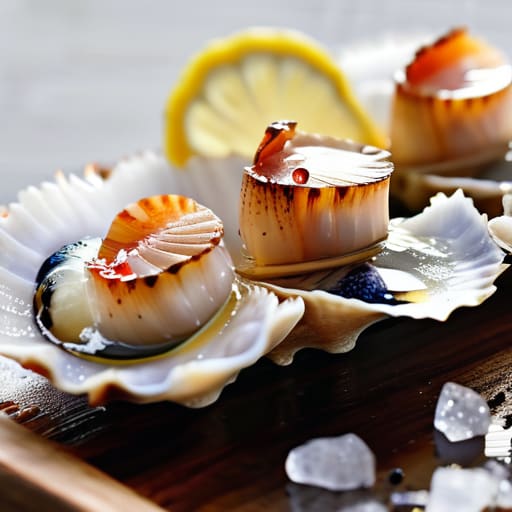
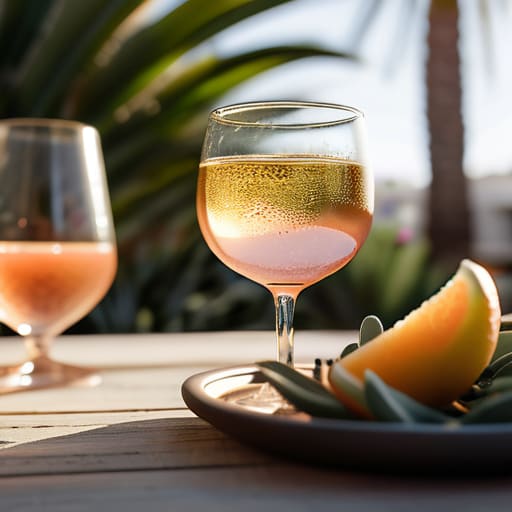
When it comes to white wine and seafood combinations, I often think of it as a delicate conversation between the sea and the vine. You want to avoid a situation where the wine shouts over the subtle sweetness of a scallop or the briny whisper of an oyster. I always reach for my little vial of Maldon sea salt and a crisp, bone-dry Muscadet when I’m experimenting; that high acidity acts like a squeeze of fresh lemon, cutting through the richness of the ocean’s bounty. It’s all about finding that perfect acidic food and wine balance so that neither the dish nor the glass loses its identity.
If you’re venturing into more robust territory, like a buttery lobster tail drenched in a garlic cream sauce, don’t be afraid to lean into a fuller-bodied Chardonnay. You’re looking for a flavor profile matching that mirrors the weight of the meal. I love how a lightly oaked Chenin Blanc can dance alongside a spicy shrimp scampi, using its honeyed notes to temper the heat without masking the aromatics. It’s not just about drinking; it’s about creating a harmonious sensory loop that lingers long after the last bite.
The Secret Alchemy: 5 Ways to Harmonize Your Plate and Pour
- Let’s talk about the “Heat Factor.” When you’re diving into a spicy Sichuan dish or a fiery Thai curry, steer clear of high-alcohol reds—they’ll make the heat feel like a wildfire in your mouth! Instead, reach for something with a touch of residual sugar, like a chilled Off-dry Riesling. It’s like a cool, refreshing breeze dancing through the spice.
- Don’t fear the “Weight Match.” I always tell my students at the CIA that your wine should have the same body as your food. If you’re serving a delicate, buttery poached sole, a heavy Cabernet Sauvignon will simply bully the fish into submission. Aim for a light-bodied Chardonnay or a Pinot Grigio to keep that elegant balance intact.
- Embrace the Power of Acidity. Think of acidity as the seasoning of the wine world. If you’re eating something rich, creamy, or laden with heavy sauces, you need a wine with high acidity—like a crisp Sauvignon Blanc—to act as a palate cleanser. It cuts through the fat, much like a squeeze of fresh lemon juice would, making every single bite feel just as vibrant as the first.
- Regional Soul-Searching. One of my favorite tricks when I’m traveling is to look at the map. There is a beautiful, unspoken logic to why certain wines and foods evolved together. If you’re enjoying a rustic Italian pasta with tomato sauce, a Sangiovese is your best friend. They grew up together in the same soil, and that shared DNA makes the pairing feel effortless and soulful.
- The “Bridge” Ingredient Technique. If you’re experimenting with my favorite kind of fusion—say, a Moroccan-spiced lamb with a hint of rosemary—look for a wine that shares a flavor profile with your spices. A Syrah with its natural peppery notes can act as a bridge, connecting the earthy spices of the meat to the fruit in the glass, creating a seamless culinary narrative.
The Final Pour: Embracing the Culinary Journey
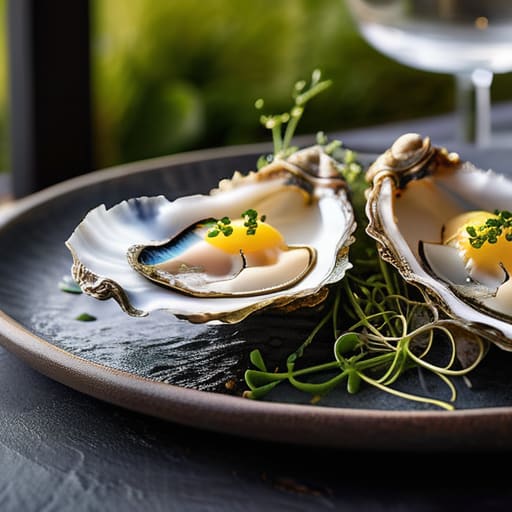
As we wrap up our exploration, remember that mastering the art of pairing isn’t about following a rigid set of rules found in a textbook; it’s about understanding the rhythmic interplay of flavors. We’ve journeyed through the structural magic of tannins cutting through rich fats and the delicate, bright harmony that occurs when a crisp white wine meets the briny sweetness of fresh seafood. Whether you are navigating the high-stakes tension of a heavy red or the breezy elegance of a chilled Sauvignon Blanc, the goal is always the same: to find that perfect culinary equilibrium where the wine and the plate elevate one another to something greater than the sum of their parts.
Ultimately, I want you to step away from the fear of making a “mistake” and instead lean into the curiosity that drives me every time I open my travel kit of miniature spices. Food and wine are living, breathing histories of culture and geography, and every glass you pour is an opportunity to write your own story. Don’t be afraid to experiment, to deviate from the guide, or to let a bold, unexpected pairing surprise your palate. After all, the most profound gastronomic discoveries often happen when we stop following the map and start trusting our senses. Happy tasting, my friends!