I still remember standing in a dimly lit cellar in Bordeaux, clutching a tiny vial of smoked paprika from my travel kit, feeling completely lost as a sommelier droned on about “typicity” and “terroir” in a way that felt more like a lecture than a conversation. It’s that exact intimidation factor that makes so many people freeze up in the wine aisle, terrified they’ll pick something subpar because they don’t know how to read a wine label without a degree in hand. Honestly, the industry loves to wrap itself in layers of pretentious jargon and gold-embossed mystery, but let’s be real: a fancy font doesn’t guarantee a delicious sip, and a high price tag isn’t a substitute for genuine soul.
Sometimes, the most rewarding part of diving into these complex labels isn’t just the solo discovery, but the moment you find someone to share that spark of realization with. Whether you’ve just stumbled upon a rare vintage or you’re finally grasping the nuances of a specific soil type, I always find that discussing these tiny victories makes the learning process so much more vibrant. If you’re looking for a place to exchange your own discoveries and connect with others who share this same curiosity, I’ve found that engaging with this community can be a wonderful way to turn a solitary tasting into a truly shared culinary adventure.
I’m not here to teach you how to memorize obscure French dialects or impress snobs at a tasting; I’m here to give you the keys to the kingdom. My promise to you is a straight-shooting, flavor-first guide that strips away the gatekeeping to show you how to find the heart of the bottle. We’re going to decode those tiny lines of text together, turning every label into a roadmap that tells you exactly what kind of story—and what kind of flavor—is waiting to be poured into your glass.
Understanding Wine Grape Varieties and Their Cultural Roots
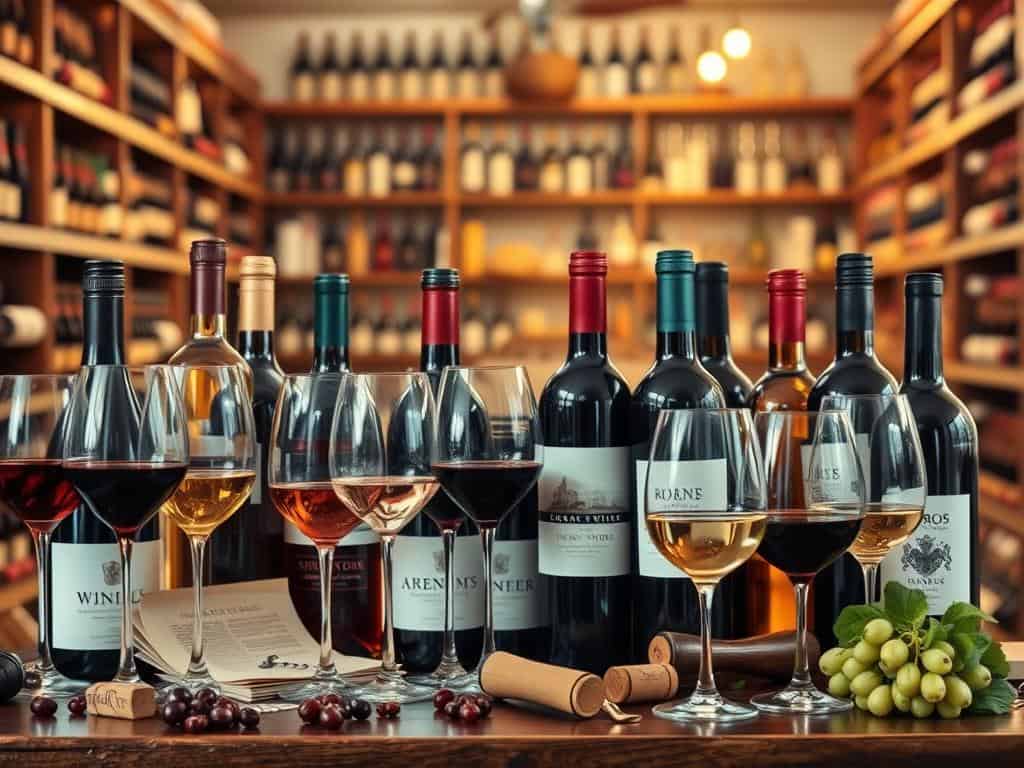
When you first peel back the foil, the grape variety is often the star of the show, acting as the protagonist in the bottle’s narrative. Whether it’s the sun-drenched, velvety embrace of a California Cabernet Sauvignon or the ethereal, flinty elegance of a French Sauvignon Blanc, the grape tells you exactly what kind of mood you’re in for. I always find that understanding wine grape varieties is like learning the basic vocabulary of a new language; once you recognize the “words,” the whole story begins to flow.
However, the way these grapes are presented changes drastically depending on where they were born. This is where you’ll notice a massive difference between old world and new world labels. In the Old World—think the rolling hills of Tuscany or the misty valleys of Bordeaux—the label often hides the grape name behind a regional title, forcing you to become a bit of a culinary detective. Meanwhile, New World labels from places like Australia or Chile tend to be much more upfront and friendly, shouting the grape’s name from the rooftops. It’s a beautiful dance between tradition and transparency!
Interpreting Wine Region Designations and the Magic of Terroir
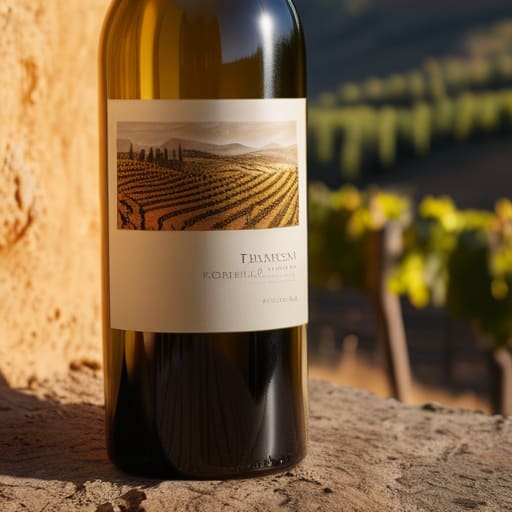
Once you’ve identified the grape, the next step is to look at the geography, because that’s where the soul of the bottle truly resides. When it comes to interpreting wine region designations, you aren’t just looking at a map; you are reading the biography of the land itself. This is the essence of terroir—that mystical, unrepeatable marriage between soil, slope, and sun. Whether it’s a tiny, sun-drenched hillside in Tuscany or a windswept valley in Napa, the region tells you exactly how the environment has shaped the fruit’s character.
As you scan the label, you’ll notice a fascinating difference between old world and new world labels. In the Old World, like France or Italy, the region is often the star, reflecting strict laws that protect traditional methods. In the New World, the focus often shifts back to the grape variety itself. Navigating these nuances can feel like learning a new language, but once you grasp how a specific zip code translates into flavor, you’ll stop seeing mere text and start seeing a vivid landscape waiting to be tasted.
Decoding the Details: My Five Golden Rules for Navigating the Label
- Don’t let the language barrier stop you; if you’re staring at a label in French or Italian, look for those familiar grape names like Chardonnay or Sangiovese—they are the heartbeat of the bottle and your best clue to the flavor profile waiting inside.
- Treat the vintage year like a time capsule; a younger wine often screams with bright, energetic fruit, while an older vintage tells a more nuanced, soulful story of how that specific year’s weather shaped the grapes.
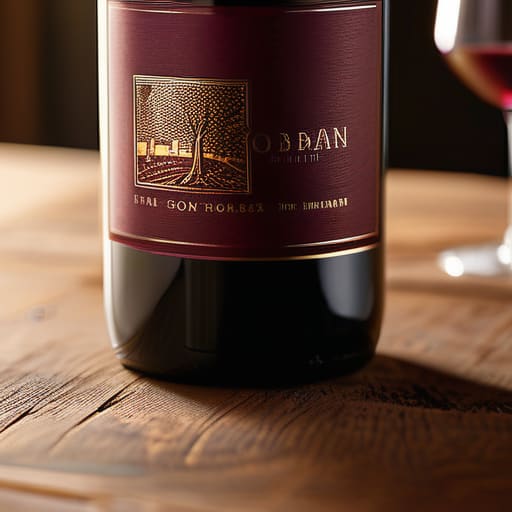
- Keep an eye out for the “Appellation”—that’s the wine world’s way of telling you exactly which hillside or valley the grapes called home, giving you a direct link to the unique soil and sunlight that defined its character.
- Look for the producer’s name as if you were reading the credits of a great film; a storied estate or a small, family-run vineyard can tell you everything you need to know about the passion and tradition poured into that specific batch.
- Use the alcohol percentage as a secret compass for body; generally, a higher percentage can hint at a riper, fuller-bodied wine, while something on the lower side might offer a more delicate, ethereal experience for your palate.
Beyond the Bottle: Your Passport to Flavor
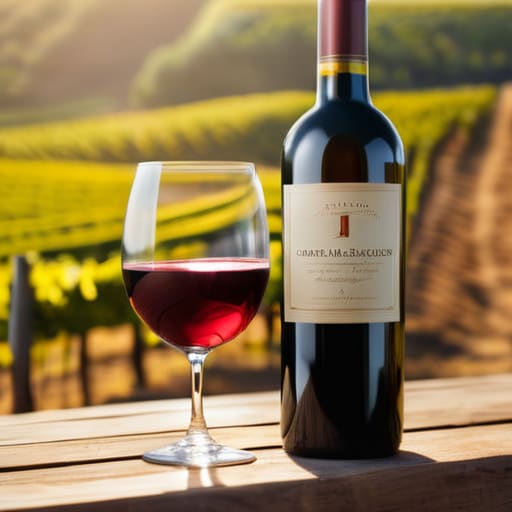
As we wrap up our little deep dive, I hope you feel a bit more confident standing in that crowded wine aisle. We’ve journeyed from the foundational identity of the grape itself to the soulful, complex whispers of terroir that tell us exactly where a vine has called home. Remember, reading a label isn’t just about checking off technical boxes like vintage or region; it’s about decoding a vibrant culinary map. Once you understand how the grape variety interacts with its specific soil and climate, you stop seeing just a name on a piece of paper and start seeing the history of a landscape captured in a single bottle.
At the end of the day, please don’t let the technicalities steal the joy of the experience. While I love getting lost in the nuances of a label, never forget that the most important ingredient in any glass is your own curiosity and enjoyment. Whether you’re pairing a bold Cabernet with a spicy fusion dish I’ve dreamt up or simply sipping a crisp Sauvignon Blanc while watching the sunset, let every bottle be an invitation to explore. Treat every cork you pull as a new chapter in a global story, and I promise you, the world will taste infinitely more delicious.