Did you know an open bottle of wine can lose flavor in just 24 hours? This fact shows how vital it is to know how to keep wine fresh. Once the cork is off, wine starts to oxidize, which harms its smell and taste. If you’ve ever wondered how to keep wine fresh after opening, it’s key to understand the factors at play.
By using the right methods, like re-corking, chilling, or special tools, you can enjoy your wine longer. In this article, we’ll look at different ways to keep your wine fresh. This way, you can enjoy every sip as it was meant to be.
Key Takeaways
- Immediately replace the cork or use a wine stopper to minimize oxygen exposure.
- Store the bottle upright to limit the wine’s surface area exposed to air.
- Keep the wine out of direct sunlight to prevent UV rays from affecting its flavor and aroma.
- Utilize refrigeration for the best preservation method, extending freshness for up to five days.
- Advanced systems like the Coravin can preserve wine for months, maintaining its flavor and aroma.
- For sparkling wines, a Champagne stopper can help maintain freshness for up to five days.
- Gassing combined with refrigeration can keep delicate white wines fresh for at least a week.
Understanding the Basics of Wine Preservation
Learning about wine preservation is key to keeping wine fresh after opening. When a bottle is opened, wine meets oxygen, starting oxidation. This can change the wine’s taste and smell, making it less enjoyable.
Things like how long the wine is exposed to air, temperature changes, and light can also affect its freshness. These factors can make your favorite wines go bad faster.
What Happens to Wine After Opening?
When you open a bottle, wine starts to oxidize from the air. This reaction can make flavors less vibrant and smells unpleasant. Usually, a bottle of wine stays good for a few days before it starts to spoil.
The amount of oxidation and how it changes the wine can depend on several things. This includes the wine type and how it’s stored after opening.
Factors That Affect the Freshness of Wine
Many things influence how fresh wine stays. Keeping the wine at the right temperature is important. Red wines do best between 55°F (13°C) and 65°F (18°C).
Storing wine upright helps by reducing the area exposed to air, slowing down oxidation. It’s also important to keep it away from light, as UV rays can damage the wine. Using gases like argon or nitrogen can also help keep an open bottle fresh longer. These gases create a protective layer on the wine’s surface, slowing down oxidation.
Effective Methods for Wine Preservation
To keep an open bottle of wine fresh, using the right preservation methods is key. There are many options, from simple tools to advanced systems. Each method helps slow down oxidation and keeps the wine tasting great for longer.
Using Wine Stoppers and Vacuum Sealers
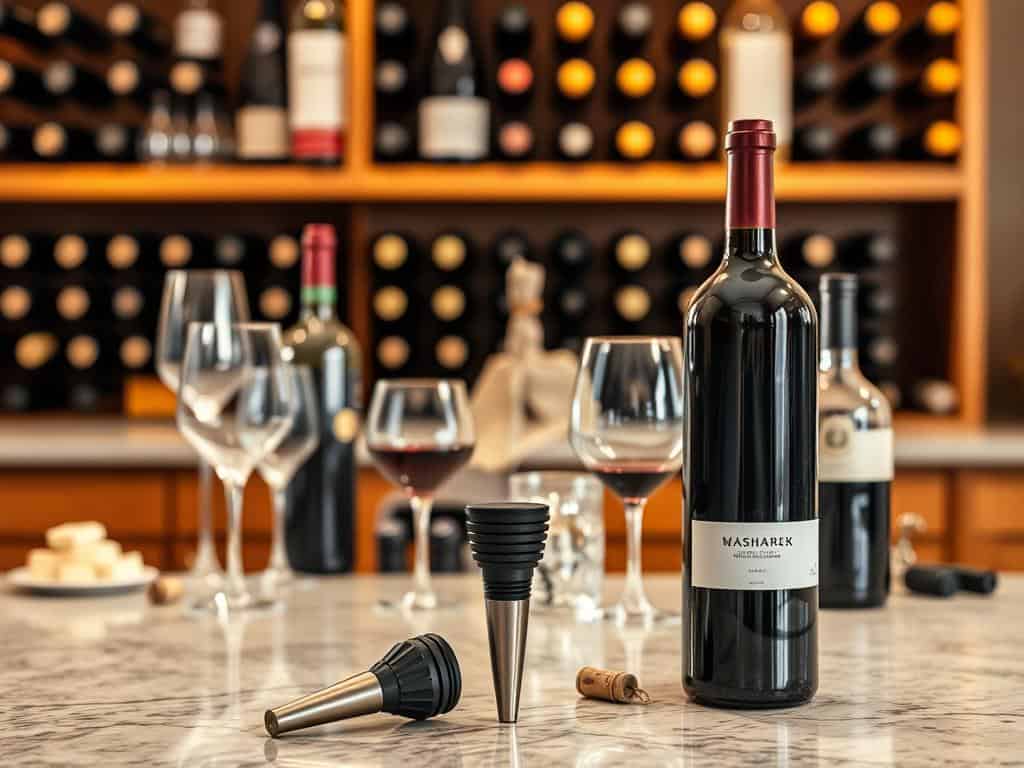
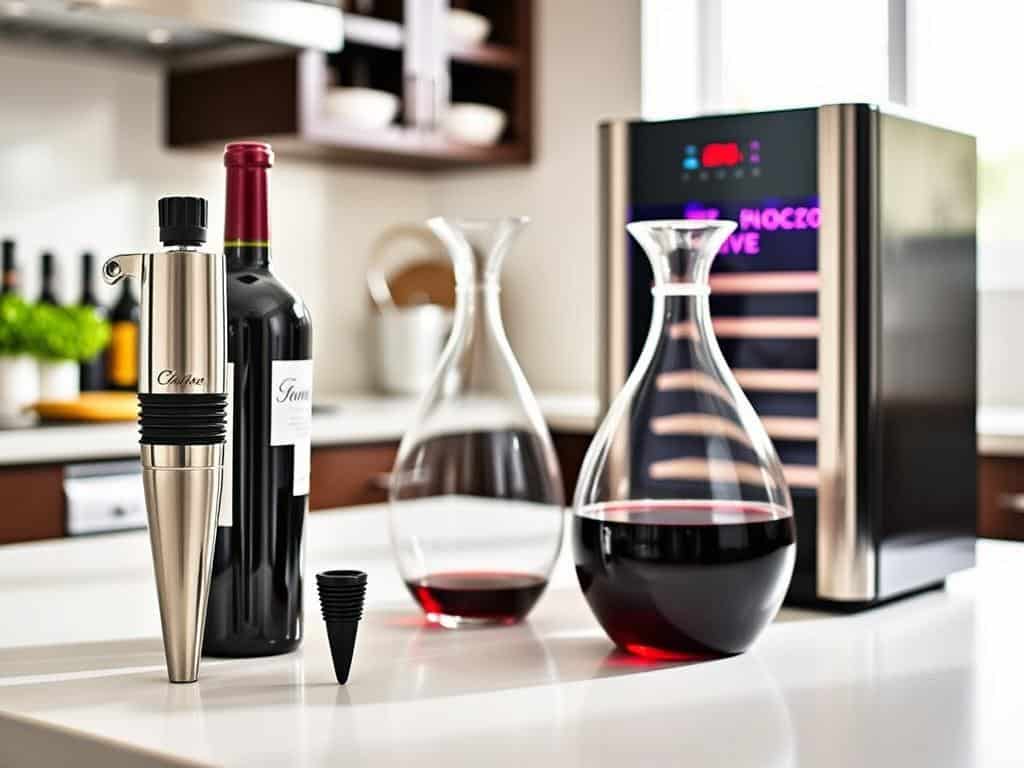
Wine stoppers are a simple yet effective way to reduce air contact and slow oxidation. They offer a tighter seal than traditional corks. You can find different types, like silicone caps and vacuum stoppers. Vacuum sealers, like those from Vacu Vin and Cuisinart, remove all air from the bottle, keeping wine fresh for days.
Refrigeration: The Simple Solution
Keeping wine in the fridge is a simple yet effective way to slow down oxidation. For red wines, a temperature of about 55°F is best. White and rosé wines do well at temperatures near 45°F. This method helps preserve flavors and extend the wine’s life.
Investing in a Wine Preservation System
Advanced wine preservation systems have changed how I keep opened bottles fresh. The Coravin Timeless, for example, uses argon gas to replace oxygen, preventing oxidation. These systems can keep wine fresh for weeks, months, or even years. They are a good choice for serious wine lovers who want to keep their bottles in perfect condition.
Decanting into Smaller Bottles
Transferring leftover wine into smaller bottles is another effective method. It reduces the surface area exposed to air, helping preserve the wine’s flavors. Using smaller bottles makes storage in the fridge easy and convenient.
Conclusion
Keeping wine fresh is key to enjoying every sip. Knowing how oxidation affects wine helps me store it better. I use methods like re-corking and refrigeration to keep it fresh.
Tools like the Coravin or Wineemotion also help. They let me enjoy my wine longer, just like the first time. This way, every glass is as good as the first.
Using a Rabbit Stopper or gas blanket system also helps. Storing bottles on their sides keeps corks moist. This reduces air exposure and keeps the wine fresh.
These steps not only preserve the wine but also reduce waste. I get to enjoy every drop, which is great.
Learning about wine preservation makes enjoying wine even better. It brings people together and improves my health. Just like in Sardinia and Okinawa, sharing wine with friends and family is special.
Thanks to the right methods, my wine stays fresh and enjoyable. This makes every moment at the table memorable.