
Did you know the non-alcoholic wine market is set to hit $45 billion Canadian by 2025? This growth shows a big change in the wine world. People want wines with less alcohol now.
Health trends and mindful drinking are big reasons for this shift. Low-alcohol wines let us enjoy wine’s taste without the usual high alcohol. I’ll look into what’s driving this trend, like changing tastes, climate change, and new ways to make wine.
Key Takeaways
- The low-alcohol wine market is rapidly expanding, projected to hit $45 billion Canadian by 2025.
- Changing consumer priorities emphasize health and mindful drinking.
- Climate change affects yields and prices of traditional wine styles.
- Innovative grape varieties like Piwis help combat fungal diseases in warming climates.
- Wines like De Bortoli Chill Bill Spritzy Red exemplify the rising popularity of lower ABV options.
- Alcohol-free wines, such as St. Regis Sauvignon Blanc, offer flavorful alternatives.
The Rise of Low-Alcohol Wine Trends
The trend towards low-alcohol wines is more than a fleeting trend. It shows a big change in culture towards wellness and mindful drinking. In the U.S., more people are choosing low and no-alcohol drinks. These options now make up 18% of all new drinks in the last five years.
Younger people, like millennials and Gen Z, are leading this change. They make up 45% and 17% of the no- and low-alcohol market. They want wine that’s good for them but also tastes great.
Understanding the Shift in Consumer Preferences
Younger people want wines that fit their healthy lifestyle. They’re looking for drinks with fewer calories and less sugar. The demand for these has skyrocketed in recent years.
Wineries like Prima Pavé and Sovi’s are responding with tasty, low-alcohol wines. They make sure you don’t have to give up flavor when you choose a lighter wine.
Health and Wellness Influencing Wine Choices
The wellness movement is changing how people choose wine. Now, they want drinks that are good for them and taste great. The global market for low-alcohol drinks is expected to grow a lot, reaching $1.76 billion by 2029.
Companies are working hard to meet this demand. They’re using new technologies to make low-alcohol wines that are full of flavor. This shift towards health and wellness is driving the growth of low-alcohol wines.
Impact of Climate Change on Wine Production
Climate change is changing how we make wine, leading to more low-alcohol styles. Warmer temperatures mean grapes have more sugar, making wines stronger. This is a problem for winemakers who want to make lighter wines.
Weather patterns are getting wilder, with more heatwaves and frosts. This makes it hard for winemakers to predict what will happen to their grapes.
How Unpredictable Weather Shapes Low-Alcohol Wine Styles
Changing weather affects how grapes ripen, changing wine flavors. Winemakers are now using grapes like Assyriko and Mencia. These grapes can handle changing temperatures better.
By using these grapes, winemakers can make wines with less alcohol. This meets the demand for lighter wines.
Adoption of Resistant Grape Varieties
Wineries are turning to grape varieties that resist disease more. These grapes help keep wine quality up, even when the weather is tough. This way, winemakers can make low-alcohol wines that taste great.
This approach also meets the growing need for wines that are good for you and the planet. It’s a win-win for everyone.
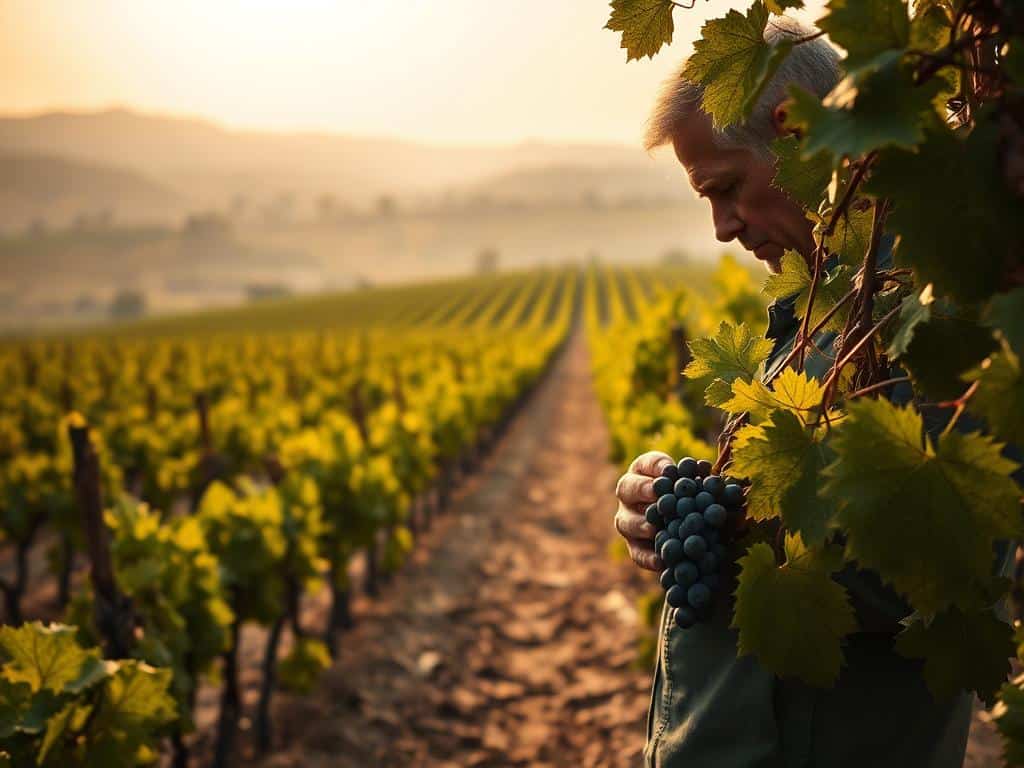
Technical Innovations Driving Low-Alcohol Wine Quality
Exploring low-alcohol wines, I see a big change: new tech improving taste and quality. Gone are the days when taste had to suffer for lower alcohol. Wineries around the world are now using the latest tech to meet this demand.
Advancements in Dealcoholization Processes
New methods like vacuum distillation and reverse osmosis are changing the game. They let winemakers keep the wine’s true taste while cutting alcohol. Australia, with its “Advancement of Australian Lifestyle Wines” project, is leading the way in no and low-alcohol wines. This project aims to make these wines just as tasty as their full-strength counterparts.
Essential Equipment for Quality Production
For top-notch low-alcohol wines, you need the right gear. Advanced filters and modern facilities are key to keeping flavors intact. Mid-strength wines, with 5-6.5% ABV, show how you can have it all: taste and less alcohol.
Brands like Kim Crawford Illuminate and Kendall-Jackson Low Calorie Chardonnay are at the forefront of this trend. Even regulatory changes, like the UK’s 2023 alcohol duty reforms, are helping. They’re pushing brands like McGuigan and Sevenly to create new, exciting wines.
Conclusion
The world of low-alcohol wines is changing fast. It’s all about healthier drinks that don’t lose flavor. Brands like Eins Zwei Zero and products like Naturally Sweet Pinot Noir are leading the way.
This shift shows a big change in how we think about drinking. The market is looking bright for low-alcohol wines. New tech and research are making these wines taste better and feel smoother.
Experts say the low-alcohol wine market will grow by 3% each year. This growth is thanks to new ideas and more people wanting healthier drinks. It’s exciting to see how this will open up the world of low-alcohol wines to more people.


