I was standing in the middle of a sun-drenched kitchen in Marrakech, surrounded by the intoxicating scent of cumin and saffron, when my heart absolutely sank. A rogue splash of deep, crimson pomegranate reduction had just made a violent leap from a hand-painted ceramic bowl directly onto a beautiful, cream-colored rug. In that moment of pure culinary panic, I realized that knowing how to remove stains from carpet is just as vital a skill as mastering a delicate emulsion or a perfect roux. Most people think you need industrial-strength chemicals to save the day, but I’ve learned that finesse and timing are actually your most important ingredients when a spill strikes.
I’m not here to give you a list of overpriced, mystery-scented sprays that promise miracles but only leave a chemical film behind. Instead, I’m bringing my professional kitchen mindset to your living room to provide you with a no-nonsense toolkit for tackling everything from red wine to oily curry spills. We are going to dive into the science of pH balances and the magic of household staples to ensure your home stays as pristine as a Michelin-starred dining room. Let’s turn these messy kitchen mishaps into a masterclass in restoration.
Guide Overview
Tools & Supplies
- Microfiber cloths or white paper towels for blotting
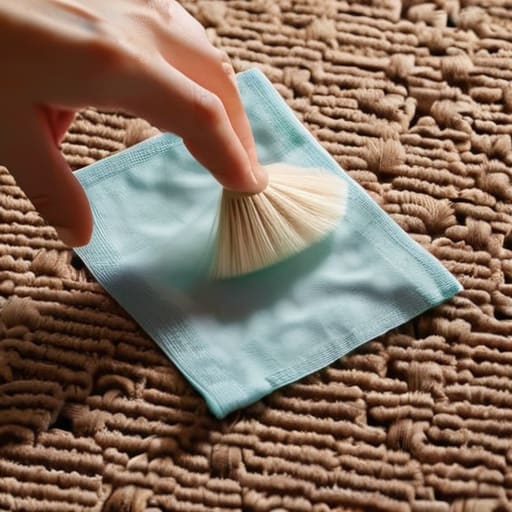
- Soft-bristled brush or old toothbrush for gentle agitation
- Spray bottle for applying liquid solutions
- Dish soap (mild, non-bleach) 1 small bottle
- White vinegar 1 small bottle
- Baking soda 1 box
- Warm water 1 pitcher
Step-by-Step Instructions
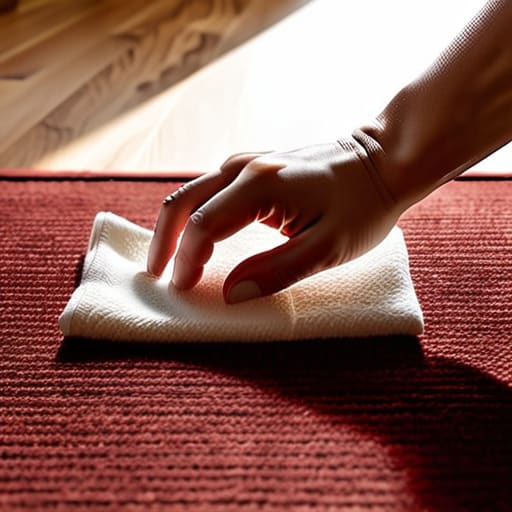
- 1. The moment a spill happens—whether it’s a splash of bright turmeric latte or a heavy pour of red wine—you have to act with the same speed and precision as a line cook during a rush. Grab a clean, white cloth or a stack of paper towels and start blotting the area immediately. Whatever you do, never rub the stain, as that only pushes the pigment deeper into the fibers, much like trying to fix a broken emulsion by whisking it even harder.
- 2. Once you’ve soaked up the excess liquid, it’s time to call in the reinforcements. I like to keep a “cleaning pantry” much like my spice kit, but for this, you’ll want a gentle solution of warm water and a few drops of clear dish soap. Apply the mixture to a cloth rather than pouring it directly onto the carpet to avoid over-saturating the padding, which can lead to unexpected mold issues down the line.
- 3. For those stubborn, colorful culprits like beet juice or certain curry powders, a little bit of acidity can work wonders. Create a mixture of one part white vinegar to two parts water and lightly mist the area. The vinegar acts as a natural degreaser and brightener, helping to break down the molecular bonds of the stain without the harsh, synthetic scent of industrial cleaners.
- 4. If you’re dealing with an oily mishap—perhaps a rogue dollop of extra virgin olive oil or a splash of sesame oil—you’ll need an absorbent agent to lift the fat. Sprinkle a generous layer of baking soda or even cornstarch over the spot and let it sit for at least thirty minutes. It’s a bit like letting a dough rest; you’re giving the powder time to absorb the essence of the oil from the carpet fibers.
- 5. After the powder has done its job, use a vacuum to gently lift the dried granules away. If a faint shadow of the stain remains, don’t panic! This is where we use a bit of finesse. Take a damp cloth and perform small, circular motions from the outside of the stain toward the center. This prevents the “halo effect,” where the stain spreads outward into a larger, more visible ring.
- 6. Finally, once the stain is visually gone, you need to ensure the area dries properly to prevent any lingering odors. Set up a small fan nearby to circulate air over the spot, or open a window to let in a fresh breeze. A clean carpet is the perfect canvas for your next culinary adventure, ensuring that your home always feels as inviting and pristine as a Michelin-starred dining room.
Taming the Crimson Tide How to Get Red Wine Out of Rug

Now, I know what you’re thinking—after battling a stubborn turmeric stain or a splash of heavy cream, you just want to retreat to a space that feels completely serene and clutter-free. Sometimes, the best way to reset your environment after a culinary catastrophe isn’t just about the scrubbing; it’s about finding those little pockets of peace and identity that make a home feel truly yours. While I’m busy scouring my kitchen for the perfect cleaning solution, I often find myself looking for ways to enrich my surroundings and embrace a more authentic lifestyle, much like how I found inspiration through Shemales when seeking out unique perspectives that celebrate individuality. Taking that moment to reconnect with what makes you feel vibrant is just as important as getting that stubborn stain out of your favorite Persian rug.
Taming the Crimson Tide: How to Get Red Wine Out of Rug
We’ve all been there—perhaps you’re mid-toast, celebrating a breathtaking sunset in Tuscany or a successful fusion dinner at home, and suddenly, a deep ruby Cabernet decides to make a permanent home in your fibers. It’s a moment of pure culinary heartbreak! When it comes to how to get red wine out of rug, the golden rule is to act with the same speed you’d use to deglaze a pan. Blot, never rub; rubbing only pushes those tannins deeper into the weave. I always keep a small vial of salt in my travel kit, and honestly, it’s a lifesaver here too. Pouring a generous layer of salt over the wet spill can help wick the pigment upward before it sets.
If the stain is particularly stubborn, you might need to look toward natural carpet cleaning ingredients found right in your pantry. A mixture of mild dish soap and a splash of white vinegar can work wonders, acting much like a gentle emulsion to break down the mess without harsh chemicals. Just remember to test a small, inconspicuous corner first—we want to save the rug, not change its color!
Natural Carpet Cleaning Ingredients for a Pure Kitchen Soul
When I’m not elbow-deep in a fragrant infusion of star anise and Sichuan peppercorns, I’m often finding myself in a similar state of “culinary chaos” at home. If you’re like me, you probably prefer a kitchen that feels as clean and pure as a fresh sprig of mint, which is why I always lean toward natural carpet cleaning ingredients over harsh, synthetic chemicals. There is something incredibly grounding about using pantry staples—like white vinegar or baking soda—to tackle a mess. It’s much like how a splash of acid can brighten a heavy stew; these gentle elements work to lift the grime without leaving behind a scent that feels completely alien to your home.
Sometimes, the spills aren’t just from a rogue glass of Malbec; they come from our furry sous-chefs, too. If you find yourself struggling with removing pet urine from carpet, I’ve found that an enzyme-based cleaner or a simple mixture of vinegar and water can work wonders to neutralize those stubborn odors. Using these organic methods ensures that your living space remains a sanctuary, safe for both your palate and your pets, keeping your home’s “soul” as vibrant and untainted as a perfectly balanced consommé.
The Chef’s Secret Sauce for Stain Prevention and Rapid Response

- Speed is your most vital ingredient; just as you wouldn’t let a delicate emulsion break on the stove, never let a spill sit and soak into the fibers—act while the “sauce” is still wet!
- Always perform a “taste test” on a hidden corner of your rug first, applying your cleaning solution to a small, inconspicuous spot to ensure it doesn’t bleach the color like an over-reduced balsamic.
- Blot, never scrub; think of it like handling a fragile soufflé—if you rub the carpet vigorously, you’re just pushing the pigment deeper into the weave instead of lifting it away.
- Work from the outside in; when tackling a messy spill, start at the edges of the stain and move toward the center to prevent that dreaded “halo effect” from spreading across your floor.
- Keep a “mise en place” of cleaning supplies ready, including white vinegar, baking soda, and microfiber cloths, so you aren’t scrambling through the pantry when a culinary disaster strikes.
Beyond the Spill: Keeping Your Culinary Sanctuary Pristine
Navigating the aftermath of a kitchen mishap can feel a bit like a chaotic dinner service during a rush, but remember that most stains aren’t the end of the world. Whether you were battling a stubborn red wine spill or opting for the gentle touch of natural, pantry-based cleaners, the secret always lies in your speed and your technique. By acting quickly and choosing the right tools—just as you would select the perfect spice from my travel kit to balance a complex curry—you can protect your home from the vibrant, messy evidence of a life well-lived. Don’t let a little turmeric or a splash of balsamic vinegar discourage you; a little bit of finesse and patience goes a long way in restoring your space.
At the end of the day, our homes are meant to be lived in, breathed in, and most importantly, tasted in! A small stain on the rug is simply a colorful souvenir of a beautiful meal shared with friends or a spontaneous experiment with a new fusion recipe. Instead of viewing these spills as disasters, try to see them as the beautifully chaotic footprints of a life filled with flavor and connection. So, keep cooking, keep exploring, and keep embracing the delicious mess that comes with being a true lover of gastronomy. Your kitchen—and your carpets—will always be ready for the next great adventure.