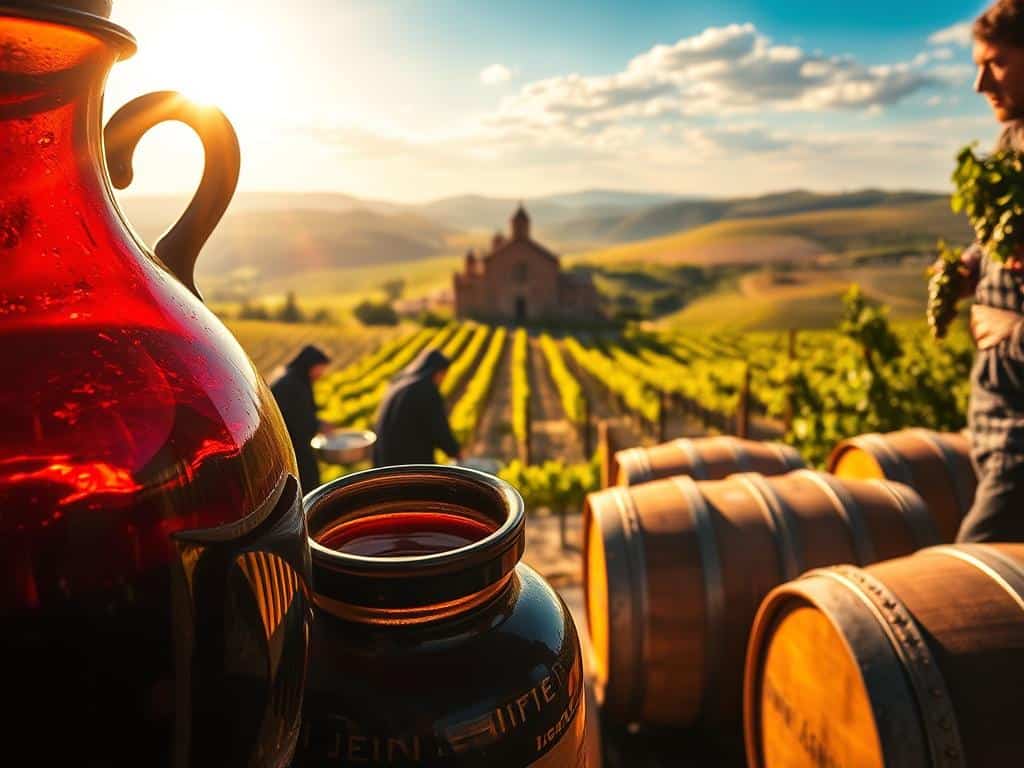
Did you know California’s vineyards are facing a big problem? They’ve removed 37,500 acres of grapes in the last year. Experts say we need to get rid of at least 50,000 more acres to match what people want to buy.
Modern wine trends are changing the game. Economic issues and new tastes are making the industry adapt fast. People in the business say we need new ideas and better marketing to stay ahead.
Using tech like Claret can help wineries make smart choices. This is key to avoiding waste. With more health-focused, young drinkers, things are getting even more complex. Let’s see what experts think about the wine industry’s future.
Key Takeaways
- California’s oversupply of grapes necessitates the removal of more vineyard acreage to align with declining demand.
- Price compression and discounting across all tiers indicate a shift in pricing strategies.
- Younger consumers are gravitating towards lighter, lower-alcohol options, such as canned wines.
- Organic and biodynamic certifications are becoming increasingly important to environmentally conscious consumers.
- The rise of unique grape varieties and premium offerings reflects changing wine consumption trends.
- Wineries must improve their marketing and storytelling to connect with today’s discerning consumers.
Current Challenges Facing the Wine Industry
The wine industry is facing big challenges that could shake its foundation. Economic issues and changes in what people want to buy are key. We need to look closely at these problems to find a way forward.
Economic Pressures Impacting Sales
The wine world is dealing with tough economic problems. Tariffs, inflation, and a strong U.S. dollar make American wines harder to sell abroad. There’s also too much wine, with about 50,000 acres of vineyards needing to be cut back.
This oversupply is causing grape prices to drop. Growers without contracts are hit the hardest, as they rely on a market that favors buyers.
Shifting Consumer Preferences
Younger people are changing how they drink, moving away from wine. They prefer drinks with less alcohol and are health-conscious. This shift is big, with younger women leading the way.
As older wine drinkers age, they’re being replaced by those who want different drinks. Gallup found that young Americans are drinking less, thanks to health concerns and changing values.
Wine sales are down by 2.6%, while RTD drinks are up by 3.9%. Economic worries are making people spend less on wine. The industry must find new ways to appeal to changing tastes and deal with economic issues.
Modern Wine Trends Shaping the Future
The wine world is changing fast, with new trends catching my eye. People are now more into sustainable wines, like organic and biodynamic ones. These wines are made with care for the planet and offer fresh, true tastes.
Rise of Organic and Biodynamic Wines
More people want organic wine, showing a love for green living. Biodynamic wines, with their focus on soil health, are also gaining fans. These wines show off the land’s unique flavors, making every sip special.
Popularity of New Grape Varieties and Blends
Younger folks, like millennials, are trying new grape varieties. They love unique blends and rare grapes. This curiosity is shaking up the wine scene, making it more exciting for everyone.
Strategies for Success in a Changing Market
To succeed in the changing wine market, wineries must be creative and focus on branding. They need to connect with consumers through real stories. This is key for building strong relationships.
As the market changes, with younger people becoming more important, wineries must tell stories that matter. These stories should highlight quality and care for the environment.
Building Strong Brand Stories
A strong brand story shows off a winery’s unique heritage and eco-friendly efforts. It also shows how the winery connects with local communities. This story should reflect the winery’s true identity and appeal to those who care about the planet.
Wineries that share their commitment to doing good attract eco-aware customers. This is a big plus in today’s market.
Innovative Marketing Techniques
Using digital channels is key for reaching out to more people. Wineries should use social media to connect with younger audiences. This includes millennials and Generation Z, who love new marketing ideas.
Wineries can also use data to make their marketing more effective. This way, they can reach the right people and improve their return on investment. It also helps build trust and loyalty with their customers.
Conclusion
Looking at the wine industry today, it’s clear that change is not just a choice; it’s a must for survival and growth. The global wine market is worth $333 billion in 2023 and is expected to grow by 5.2% each year until 2027. Wine producers face big challenges, needing to adapt to economic pressures and changing what people want.
The industry must focus on being sustainable, try new things, and reach out to more customers. The rise of different wine containers and the demand for alcohol-free drinks show that listening to what people want is key. Also, with new places to grow wine because of climate change and more focus on being green, the industry needs to welcome these changes.
Companies that are open and fair in how they source their products will likely do well. Younger people, like Millennials and Gen Z, want to buy things that match their values. So, being transparent and responsible is important for success.
In the end, the wine industry’s future depends on how it adapts to new situations. By focusing on selling directly to customers, making high-quality products, and caring for the environment, businesses can do well. Those that connect with their customers and keep innovating will not only get through tough times but will also do well in a changing world.