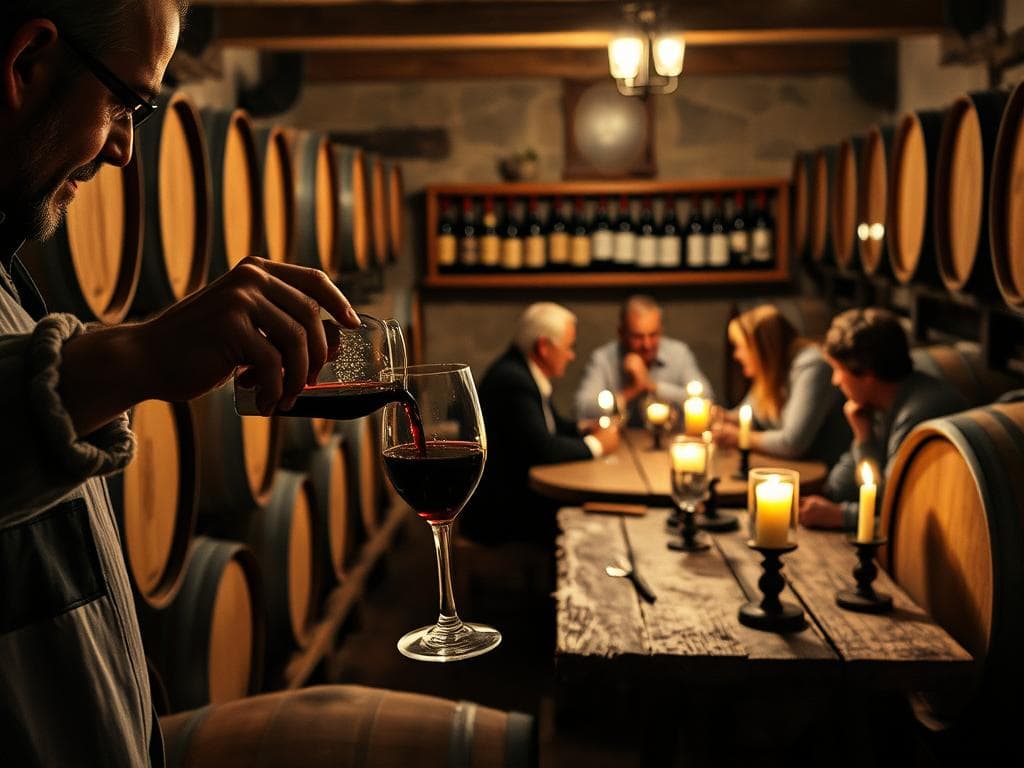
Did you know sake’s brewing process is over a thousand years old? It’s one of the oldest drinks in the world. This traditional Japanese rice wine, called nihonshu, turns rice starches into alcohol. This process creates a wide range of flavors and profiles.
From delicate floral notes to rich umami, sake shows Japan’s agricultural and cultural heritage. In this guide, we’ll dive into sake culture, its types, brewing methods, and traditions.
Key Takeaways
- Sake has multiple classifications, including honjozo, ginjo, and junmai, each defined by unique production methods.
- Serving temperatures for sake can vary, which enhances its flavor profile and enjoyment experience.
- Traditional vessels like tokkuri and masu are key to the sake drinking experience.
- The brewing process involves careful polishing and fermentation for creating distinct flavors.
- Nigori sake stands out for its cloudy appearance and is best served chilled for optimal taste.
- Regional specialties highlight the diverse flavors of sake, reflective of local rice varieties and water quality.
What is Sake?
Sake is a drink deeply rooted in Japanese culture. Knowing its sake definition helps us understand its value and uniqueness. It’s made from polished rice, water, yeast, and koji mold. In Japan, “sake” means all alcohol, but “nihonshu” is the rice brew we usually think of.
The origins of sake go back to ancient times. It was used in ceremonies and rituals.
Definition and Origin
The Japanese rice wine history spans centuries of tradition and celebration. Sake is part of many cultural events, like rituals and festivals. For example, in Shinto ceremonies, it’s called “Miki” or “Shinshu.”
At weddings, the san-san-kudo ritual shows unity and family bonds. In funerals, “okurizake” honors ancestors, showing sake’s role in life and death.
Comparison with Other Beverages
When comparing sake vs wine, remember sake is not rice wine. It’s more like beer, fermented from rice. Unlike wine, which uses grape sugars, sake changes rice starch to sugar with koji.
This makes sake unique, with flavors from light and fruity to rich and umami. It’s also versatile, enjoyed at different temperatures. This makes it great with many foods, from sushi to Western dishes.
Sake Culture and Traditions
Sake is deeply rooted in Japan’s culture and traditions. It plays a big role in ceremonies, festivals, and daily social events. Drinking sake in Japan is more than just a drink; it’s a way to connect with others.
Cultural Significance
The history of sake goes back thousands of years. It’s a big part of Japanese customs and farming society. Sake was used in Shinto rituals, showing its special status.
There are many types of sake, like Junmai and Daiginjo. Each type has its own flavor, showing off local ingredients and traditions. During special times, like moon-viewing or New Year’s, sake brings families together.
Etiquette and Drinking Customs
Knowing how to drink sake is key in Japan. It’s important to pour sake for others, showing respect and friendship. When you hold a tokkuri or choko, use both hands to show trust and care.
Wait for everyone to have their cups before saying “Kanpai.” This creates a sense of unity and strengthens friendships. Following these customs makes the experience of drinking sake even more special.
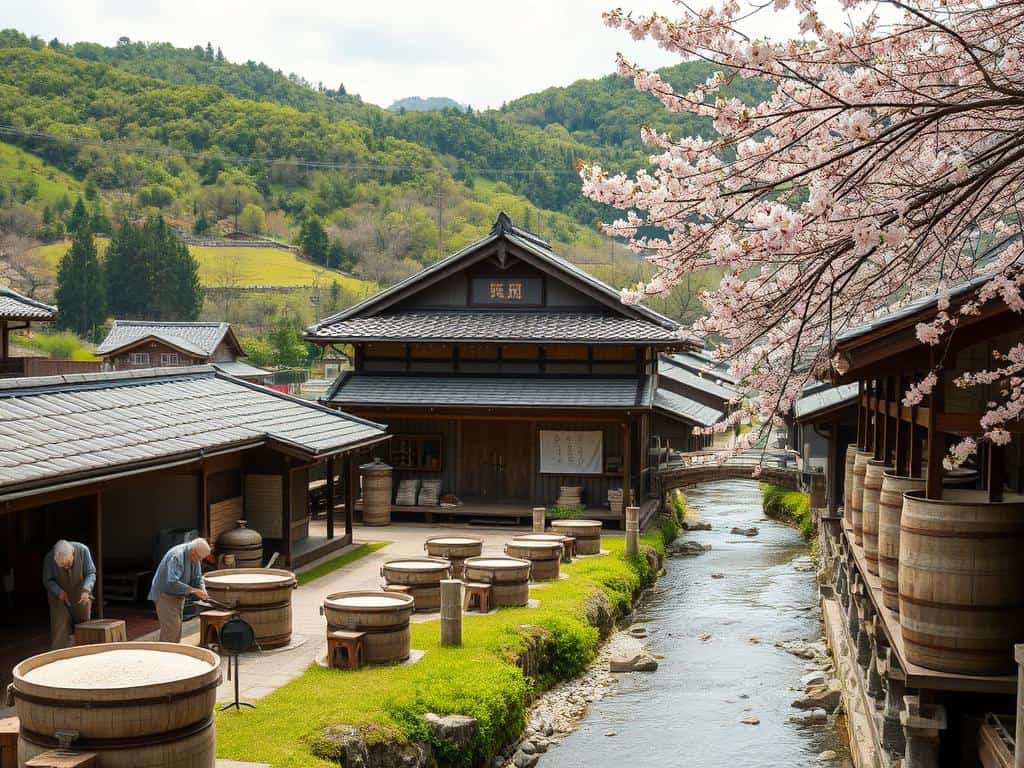
Types and Brewing Process of Sake
Sake, also known as rice wine, comes in many types. These are based on rice polishing rates, production methods, and flavor profiles. Knowing about these types helps us appreciate this traditional Japanese drink more. Each type has its own taste and smell, making sake perfect for many occasions.
Classification of Sake Types
Exploring sake types is fascinating. Junmai is made from just rice, water, yeast, and koji mold. This lets the rice’s true flavor come through. Honjozo adds a bit of distilled alcohol, boosting its taste and smell.
Ginjo has a higher rice polishing ratio, giving it a more complex flavor. Daiginjo, the top category, has even more refined rice. This results in a very subtle and complex sake. There are also nigorizake, with a cloudy look, and sparkling sake, for a refreshing taste.
Understanding the Brewing Process
The sake brewing process is detailed and requires great care. It starts with rice polishing, which removes the outer layers of the grains. This affects the sake’s quality. Then, koji is grown to turn rice starches into sugars, starting fermentation.
A special part of sake brewing is the multiple parallel fermentations. Sugar turns into alcohol at the same time. This is different from other drinks.
This process takes four to six months. Premium sakes, like Daiginjo, ferment longer at cooler temperatures. This makes their flavors more complex. Most sake is pasteurized to keep flavors stable. But some, like namazake, are not pasteurized for a unique taste.
Conclusion
Sake is a symbol of Japan’s rich history, skill, and cultural importance. It has evolved from sacred rituals to a drink for celebrating life’s big moments. This shows its deep role in both past and present times.
Sake is more than just a drink; it’s a key part of Japanese culture. It’s enjoyed at weddings and in casual settings, bringing people together. It’s also tied to seasonal events, like cherry blossom viewing, showing its connection to nature and tradition.
As sake gains popularity worldwide, it’s important to learn about its history and customs. Whether you enjoy it with sushi or on its own, it deserves our respect. Sake connects us to a tradition that values unity, tradition, and the joy of its flavors.