Did you know there are over 1,500 grape varieties used for wine worldwide? This number shows how complex and varied the world of wine is. Knowing these grape varieties and where they come from is a key secret for wine lovers. It can make your wine education better and make tasting more enjoyable.
As I share insights from experienced sommeliers, I want to give you tips. These tips will help you choose wines wisely, enjoy them more, and appreciate wine even more.
Key Takeaways
- Exploring over 1,500 grape varieties can enhance your wine journey.
- Understanding terroir helps in appreciating wine origins.
- Master sommeliers offer insider tips for tasting and selecting wine.
- Wine composition covers vital aspects like acidity and tannins.
- A good glass can improve your overall tasting experience.
- Pairing wine with food is an art that can elevate any meal.
Understanding Wine Selection
Choosing the right wine can make any meal better. It’s a mix of art and science. Knowing about flavor profiles and grape types is key for pairing wine with food. Also, understanding wine quality and where it comes from helps in picking the best bottle for your meal.
How to Choose the Perfect Wine for Any Meal
When looking at a menu, I first think about the dish’s main ingredients and flavors. The balance of acidity, sweetness, and tannins is important. I look for wines that either match or contrast these flavors well.
Also, talking to a sommelier can help. They can suggest unique wines that will enhance your meal. This way, you can discover new flavors and ensure the wine quality matches your meal.
Evaluating Wine Quality and Origin
Knowing where wine comes from is important for quality. Certain regions are famous for their wines because of the land. I check how wines are stored in stores, as bad conditions can harm the wine.
Looking at labels and the winery’s reputation also helps. This gives clues about what to expect from a bottle.
Sommelier Secrets to Enhance Your Tasting Experience
Improving your wine tasting involves careful steps and techniques. Using the right methods makes tasting more enjoyable. You should look at the wine’s color, smell, and taste. Each part of the wine adds to your tasting adventure.
The Proper Techniques for Tasting Wine
First, check the wine’s color and clarity. This tells you about its age and type. Swirling the wine in your glass releases its smells, making them stronger.
This step is key because it lets the wine’s complex smells come out. When tasting, pay attention to balance. This includes acidity, tannins, sweetness, and alcohol. These parts work together to show the wine’s character.
Looking at the finish tells you about the wine’s depth. A long aftertaste often means the wine is of high quality.
“Each sip tells a story, reflecting the terroir and the winemaker’s craft.”
Finding the Right Glassware for Different Wines
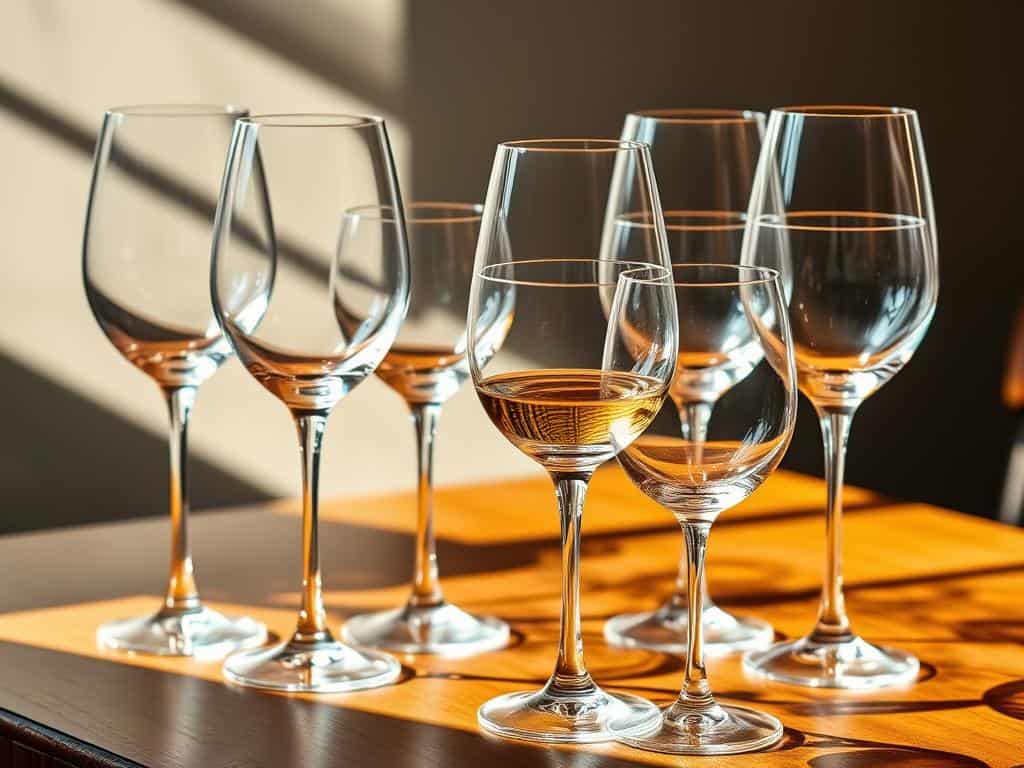
The right glassware is very important. Different shapes change how you smell and taste the wine. For example, a narrow bowl is best for white wines, focusing on its acidity and smell.
A broader shape is better for red wines, bringing out their aroma. Try different glasses to see what works best with each wine. Using the right glassware, along with the right temperature and decanting, makes tasting more enjoyable.
Decoding Wine Pairing Principles
Learning the basics of food and wine pairing can make any meal special. It turns simple meals into memorable experiences. By following some basic rules, you can pick the right wine for your food. This way, you avoid flavor clashes and enjoy a balanced taste.
Exploring advanced pairing techniques opens up a world of possibilities. It lets you mix and match different foods and wines in creative ways. This approach highlights the beauty of combining various cuisines and wine styles.
Basic Rules for Pairing Wine with Food
One key rule is to match the wine’s weight with the food’s. For example, a full-bodied Cabernet Sauvignon pairs well with rich meats. Its strong tannins cut through the meat’s fat.
Dry white wines, like Sauvignon Blanc, are great with seafood. Their crisp acidity complements the seafood’s light flavors and textures. Sweet red wines, on the other hand, balance well with spicy foods and tangy cheeses.
Advanced Techniques for Food and Wine Pairings
Advanced pairing techniques can take your dining experiences to the next level. One technique is using bridge ingredients found in both the dish and the wine. For instance, a creamy pasta dish pairs well with a full-bodied Chardonnay.
Understanding how terroir affects wine can also help with pairings. Light wines go well with delicate dishes, while bold wines enhance hearty meals. Respecting cultural pairing traditions, like in France or Italy, adds a special touch to your meals.
Conclusion
In this journey of sommelier secrets, we’ve learned how to pick the best wines, taste them, and pair them with food. Knowing the right glassware and serving temperatures, like for Terrunyo Sauvignon Blanc and Marques de Casa Concha Eiqueta Negra, makes a big difference. It’s also key to close your eyes when tasting to really enjoy the aromas.
Good food pairings can make any event special. Whether it’s a young red wine with a great meal or just enjoying wine with friends, every sip is a joy. Try decanting young wines to bring out their scents and explore different tastes on your journey.
As we wrap up, remember that wine is always something new to learn. This knowledge will make your tastings better and add to the fun of sharing wine with others. With these tips, you’re ready to start your own wine adventures and make every sip count.