
Did you know that drinking wine in moderation can be good for you? It can raise your HDL (good) cholesterol, reduce blood clots, and improve blood vessel function. This is just the beginning of exploring wine’s health benefits and the science behind them.
When we talk about wine, we often focus on red wine. It contains compounds like resveratrol and polyphenols. These have antioxidant properties that may help your heart and protect against diseases.
But, it’s important to remember that everything in moderation. Alcohol’s effects on health are complex. In this article, we’ll look at the different sides of wine consumption. We’ll see why it’s important to understand the impact of moderate drinking before we say wine is good for us.
Key Takeaways
- Moderate alcohol consumption may raise HDL cholesterol and improve cardiovascular function.
- Red wine contains high levels of antioxidants like resveratrol and polyphenols.
- Moderation is essential to avoid health risks associated with excessive alcohol use.
- Research shows a link between red wine and reduced risks of cardiovascular disease.
- Other foods may offer higher antioxidant levels than wine, highlighting the importance of a balanced diet.
- The American Heart Association suggests limited wine consumption for health benefits.
- Wine is not a standalone solution; other lifestyle and dietary choices significantly impact health.
The Compounds in Wine: Resveratrol and Antioxidants
Wine is more than just a drink; it’s packed with compounds that might help your health. Resveratrol and antioxidants, like polyphenols, are key for heart health. They show why drinking red wine in moderation can be good for you.
Understanding Resveratrol
Resveratrol is a polyphenol found mainly in red wine, coming from grape skins. It’s studied for its heart-protective effects, like lowering bad cholesterol and fighting inflammation. It helps keep blood vessels healthy and prevents clots.
Resveratrol is also in foods like peanuts and berries. Eating these can give you some of the same heart benefits. Red wine has about 1.9 mg/L of trans-resveratrol, much more than white wine.
The Role of Antioxidants in Wine
Red wine is full of antioxidants, mainly polyphenols, which are great for your health. These protect blood vessel linings and stop plaque buildup. Anthocyanins, catechins, and tannins in red wine help reduce oxidative stress, which is good for your heart.
Drinking red wine regularly can improve lipid metabolism and lower blood pressure, helping those with high blood pressure. Drinking about 0.2 liters for women and 0.3 liters for men can lower heart disease risk. The study of wine’s bioactive compounds, like resveratrol, is ongoing.
Wine Health Benefits: The Heart Connection
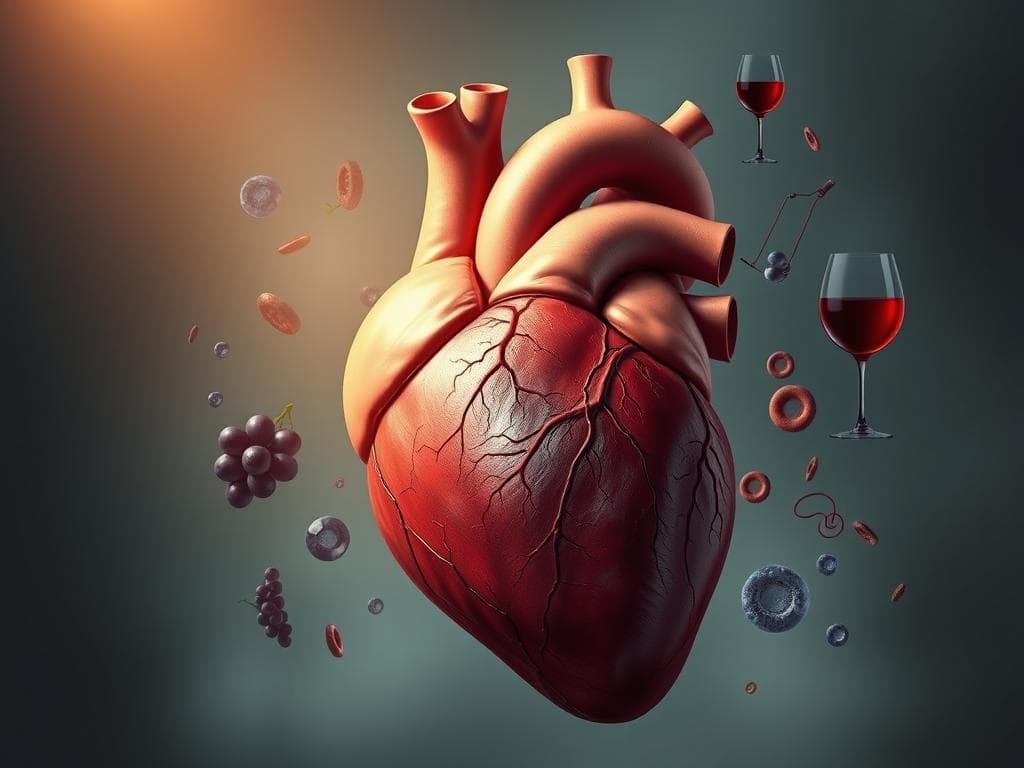
The link between wine and heart health is intriguing. Studies show that drinking red wine in moderation might help the heart. This is because it can affect HDL cholesterol and other heart-related factors.
Impact on HDL Cholesterol
Drinking wine in moderation can raise HDL cholesterol levels. HDL is the “good” cholesterol that fights heart disease. Research indicates that wine, with its polyphenols like resveratrol, may improve cholesterol levels and heart health.
Understanding the Mechanism
Alcohol in moderation can protect arteries and improve blood flow. Wine’s polyphenols, like resveratrol, reduce inflammation and prevent blood clots. This can lower heart disease risks. Red wine’s flavonoids and anthocyanins also boost HDL levels and improve lipids, showing its heart-protective effects.
The Mediterranean Diet and Wine Consumption
The Mediterranean diet is known for its health benefits, like improving heart health. Adding a bit of wine, mainly red, to meals can make it even better. Studies show this mix might help people live longer and keep their hearts healthy.
Correlating Wine with Lifestyle Factors
Looking at how wine fits into the Mediterranean lifestyle shows a bigger picture. A study found that a diet rich in Mediterranean foods and moderate alcohol can cut heart disease risk by 30%. Wine might play a key role, as removing it could reduce these benefits by almost 24%.
Wine’s health perks grow when enjoyed with meals. Drinking half a glass to a full glass daily can lower death risks. A big study with 1,232 people found that wine and a Mediterranean diet cut heart disease risk by 50%.
It’s not just the wine that matters. The Mediterranean lifestyle also values staying active and social. Wines from Southern Italy and Greece, full of antioxidants, add to this lifestyle. They help keep people healthy.
Conclusion
Research shows that drinking wine in moderation can be good for your heart. Many studies point to wine’s benefits against diseases like type 2 diabetes and cancer. This is thanks to compounds like resveratrol and polyphenols.
But, it’s important to remember to drink in moderation. The American Heart Association says red wine might have health perks, but too much alcohol is harmful. So, seeing wine as part of a healthy lifestyle is key, not just a quick fix.
Thinking about adding wine to my life, I know it’s best with a balanced diet. The Mediterranean diet is a great example. More research is needed to fully understand wine’s health benefits. This will help me make better choices for my health.