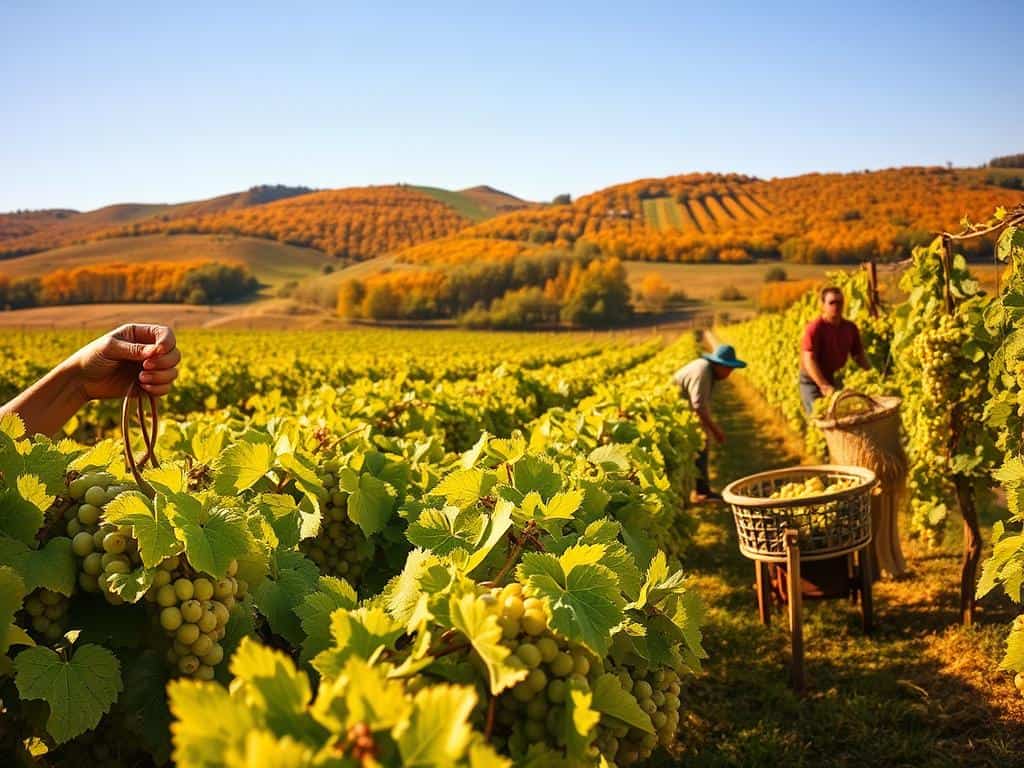
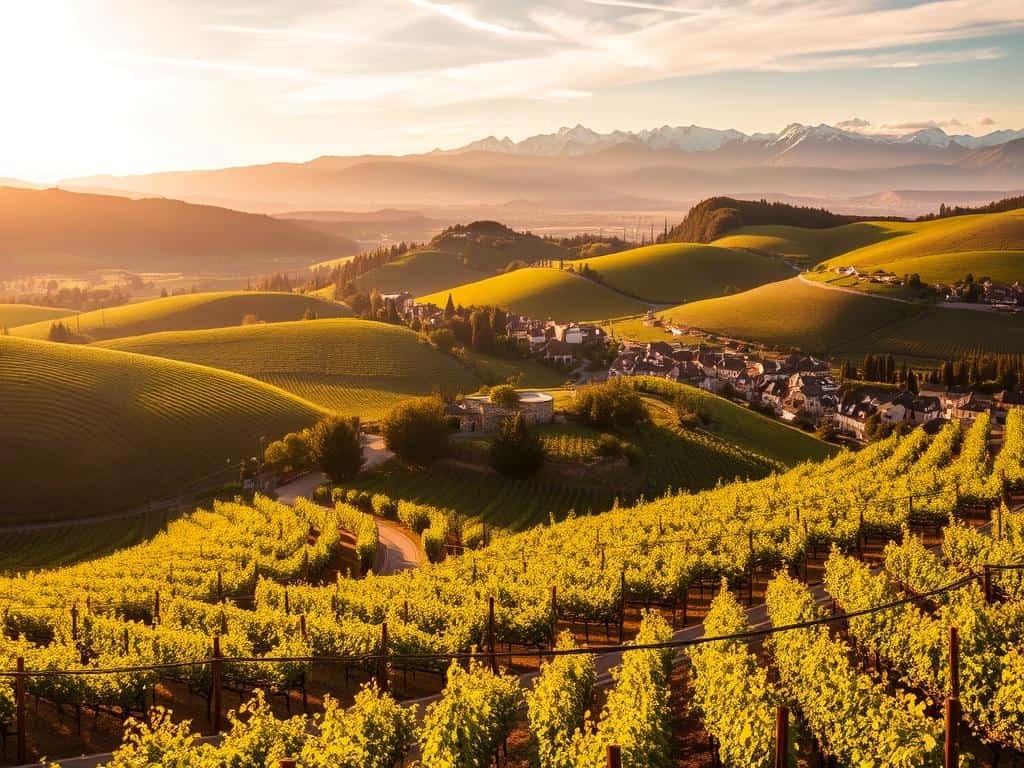
Did you know Champagne makes up only 1% of the world’s sparkling wine? But Prosecco is now a favorite for many celebrations. This shows a big difference between these two wines. They come from different places and are made in different ways, leading to unique tastes.
In this look at Champagne vs. Prosecco, we’ll see what makes them special. Champagne comes from France, while Prosecco is from Italy. We’ll talk about the grapes and how they’re made, helping you choose the right bubbly for any event.
So, let’s open a bottle and explore the world of sparkling wines. We’ll learn about their history and what makes each one unique.
Key Takeaways
- Champagne is a French sparkling wine from the Champagne region, while Prosecco is Italian, mainly produced in Veneto and Friuli.
- Champagne is crafted from Pinot Noir, Pinot Meunier, and Chardonnay, whereas Prosecco mainly uses the Glera grape.
- The production methods differ: Champagne undergoes secondary fermentation in bottles (Méthode Champenoise), unlike Prosecco, which typically adopts the Charmat method.
- Champagne generally has a higher alcohol content (12.2% ABV) compared to Prosecco (12% ABV).
- Champagne features finer bubbles while Prosecco has larger, frothier bubbles that create a distinct drinking experience.
- Due to its extensive production process, Champagne tends to be more expensive than Prosecco, which is often seen as a more affordable option.
The Origin and History of Champagne and Prosecco
Exploring the beginnings of Champagne and Prosecco shows us their special places in sparkling wine world. Each has a deep history that has shaped its growth. This history gives us a peek into the *sparkling wine evolution* we enjoy today.
Champagne: The Birthplace of Bubbles
Champagne comes from France’s northeastern region, with roots going back to the 5th century. The Romans first planted vineyards there, which was key to Champagne’s start. Over time, winemakers moved from making pale, pinkish wines to the bubbly ones we love today.
Dom Pérignon, a Benedictine monk, played a big role in this change, even though he wanted to get rid of the bubbles. The British helped make Champagne popular with their discoveries of better cork stoppers and glass bottles. Today, strict rules make sure only the best wines can be called Champagne.
Prosecco: An Italian Legacy
Prosecco’s story goes back to 77 AD, when it was known as “Pucino.” It was a favorite in ancient Roman times, even among Emperor Augustus’s wife. Made mainly in Italy’s Veneto region, Prosecco gets its name from the Glera grape, known for its fresh, floral scent.
Old methods like the col fondo technique were used to make Prosecco. But in the 2000s, new rules were set to protect its identity, marking its *Prosecco origins*. The Charmat method, introduced later, made making Prosecco easier and more widespread, reaching fans worldwide.
Production Methods: Champagne vs. Prosecco
Champagne and Prosecco are made differently, which affects their taste and feel. The Champagne method, known as méthode champenoise, is very detailed. It’s different from how Prosecco is made. Let’s look at these unique ways.
Traditional Method of Champagne Making
The Champagne method is famous for its two-step fermentation in the bottle. First, the wine ferments, then it’s bottled with sugar and yeast for a second fermentation. This step is key for Champagne’s bubbles and aging.
The wine stays in contact with dead yeast cells for at least 12 months. This makes Champagne complex and flavorful, perfect for special times.
Charmat Method in Prosecco Production
Prosecco is made using the Charmat method, which is different from Champagne. It ferments in large tanks, not bottles. This makes Prosecco light and fruity, great for everyday drinks.
Key Differences in Fermentation Processes
The way Champagne and Prosecco are made changes their bubbles and taste. Champagne has finer bubbles from bottle fermentation. Prosecco has bigger, frothier bubbles from tank fermentation.
Champagne is often drier with many styles. Prosecco is sweeter and more lively. Both methods show the quality and true nature of each wine, following strict rules.
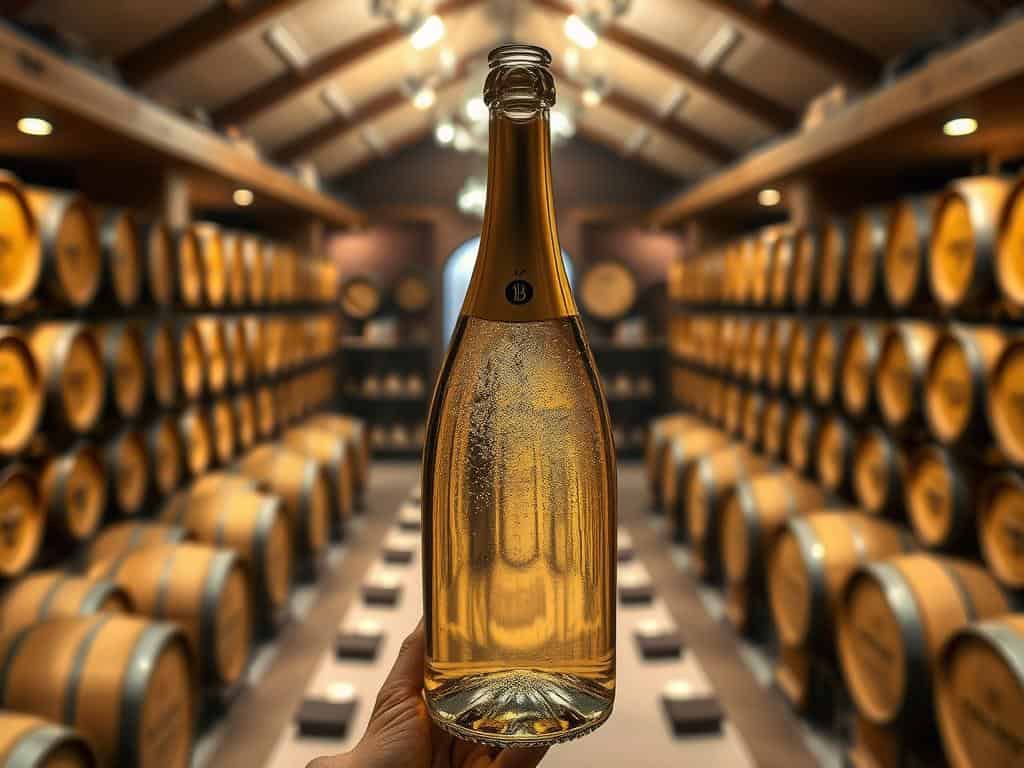
Champagne vs. Prosecco: Flavor Profiles and Characteristics
Exploring Champagne and Prosecco reveals unique differences. These come from their origins and how they’re made. Both offer wine characteristics that please many tastes.
Tasting Notes of Champagne
The Champagne flavor profile is complex. I often find almond-like flavors, orange zest, and white cherry notes. The aging process adds aromas like toasted bread and brioche.
The fine bubbles make it sophisticated. They add a special touch to this wine.
Distinct Flavors in Prosecco
Prosecco, on the other hand, is fresh and vibrant. It tastes of green apple, honeydew melon, and pear. Its aroma is light and floral.
Other flavors include honeysuckle and fresh cream. You might even taste tropical fruits like banana cream. The way it’s made gives it a lighter, frothier bubble.
Comparative Alcohol Content and Sugar Levels
Champagne usually has a bit more alcohol, about 12.2%. Prosecco is around 12%. Sugar levels also vary, affecting sweetness.
Classification systems like Brut for Champagne and Extra Dry for Prosecco show these differences. Knowing these details helps choose the right sparkling wine.
Conclusion
This exploration gives a detailed look at Champagne vs. Prosecco. Champagne is known for its complex flavors, like almond and citrus. Prosecco, on the other hand, is light and fruity, with tastes of green apple and pear.
The way these wines are made also matters. Champagne is made the traditional way, which makes it more expensive. It’s perfect for special occasions. Prosecco, made in a simpler way, is great for any event, making it more accessible.
Thinking about bubbly, we see that both Champagne and Prosecco add to our fun. Knowing where they come from and how they’re made makes enjoying them even better. It lets us enjoy the unique qualities each bottle offers.