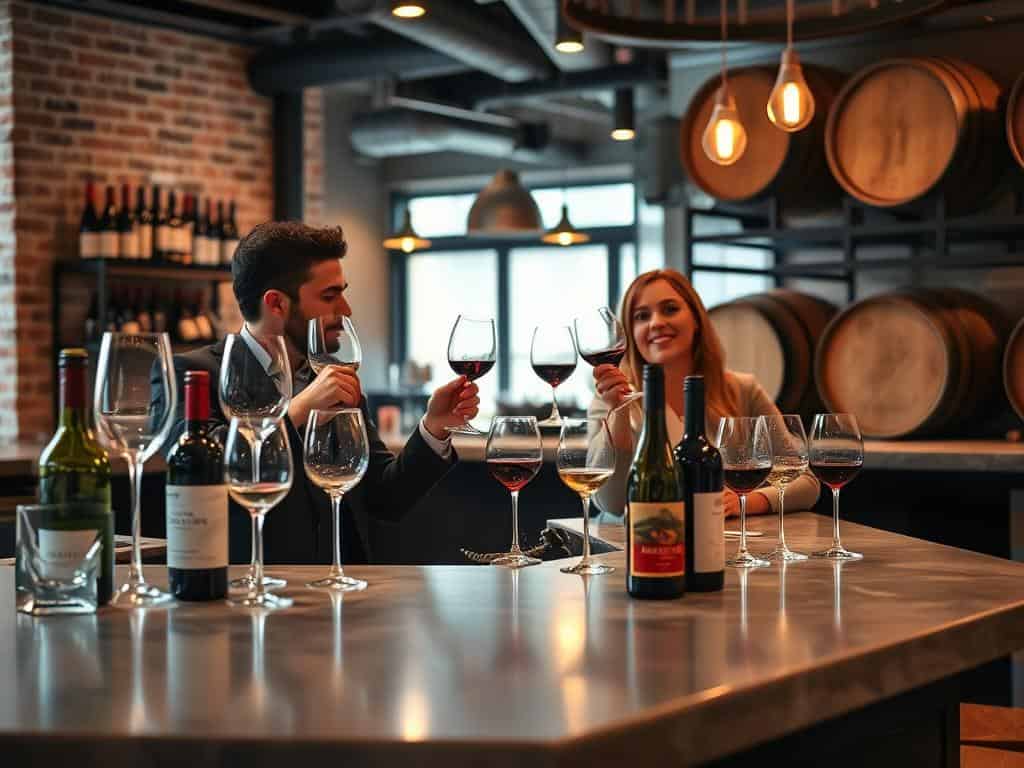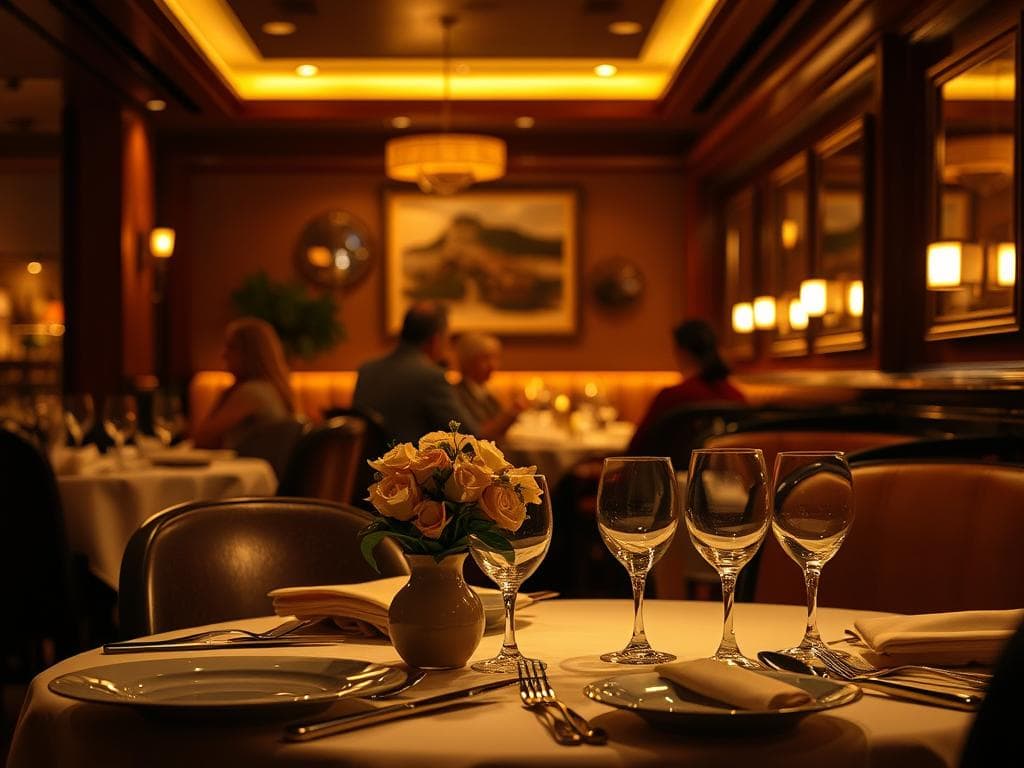
Did you know 85% of diners order more when menus don’t show prices? This fact shows how dining psychology works. It’s amazing how menus can influence us to spend more than we planned.
Dr. Jason Buhle from USC says menus are like ads. They make us choose items that might cost more but taste better. Restaurants use smart tricks to make our meals more enjoyable and a bit pricier than expected.
Key Takeaways
- Menus without dollar signs can significantly increase customer spending.
- Strategic placement of high-priced items enhances perceived value of other dishes.
- Descriptive menu labels boost appeal and encourage purchases.
- Restaurants often evoke nostalgia with dish names to drive emotional connections.
- Limiting options simplifies choices and often leads to increased sales.
- Decoy items are used to create a sense of better deals for mid-priced dishes.
Understanding Dining Psychology
Dining psychology explores how people choose what to eat when dining out. It shows how different elements can affect our choices and help restaurants make more money. Menu design is key, as it shapes what we see and how much we spend.
Studies show that menus can tell a story through their layout and look. This can guide us to pick certain dishes without us realizing it.
What is Dining Psychology?
Dining psychology looks at how our surroundings affect our food choices. It includes menu layout, colors, and fonts. For example, restaurants might use prices like $9.99 to make things seem cheaper.
By not using the dollar sign, they make paying feel less painful. These tricks can make us choose more expensive items without us knowing.
The Role of Menu Design
Menu design is vital in shaping our choices. High-profit items are often placed in a ‘Z’ pattern to catch our eye. This makes other items seem more affordable by comparison.
Using fancy language in menus can also make us want to try more expensive dishes. These strategies help restaurants sell more while keeping us happy.
Key Psychological Tricks Used by Restaurants
Restaurants use many tricks to get customers to choose and spend more. These strategies are part of menu psychology. They help restaurants make more money and make dining better.
Price Placement Techniques
Restaurants use clever ways to make prices seem less. They might not use dollar signs or write prices in words. This makes food seem cheaper in customers’ minds.
They also put expensive items in the best spots on the menu. This includes the top right corner. A nice layout and colors like red and yellow help these items stand out.
The Primacy Effect in Menu Design
The first thing customers see on the menu often wins. Restaurants put their most profitable dishes at the top. This way, they make more money.
They also limit choices to seven per category. This makes it easier for customers to decide. Creative names, like “Grandma’s homemade Apple Pie,” make dishes more appealing.
The Use of Decoy Items
Decoy items are key to making other dishes seem better. A very expensive dish, like a $300 lobster, makes others seem more affordable. This trick changes how customers see value.
Using similar but less expensive options also helps. It makes other dishes look better, encouraging customers to spend more. These strategies make dining better and help restaurants make more money.
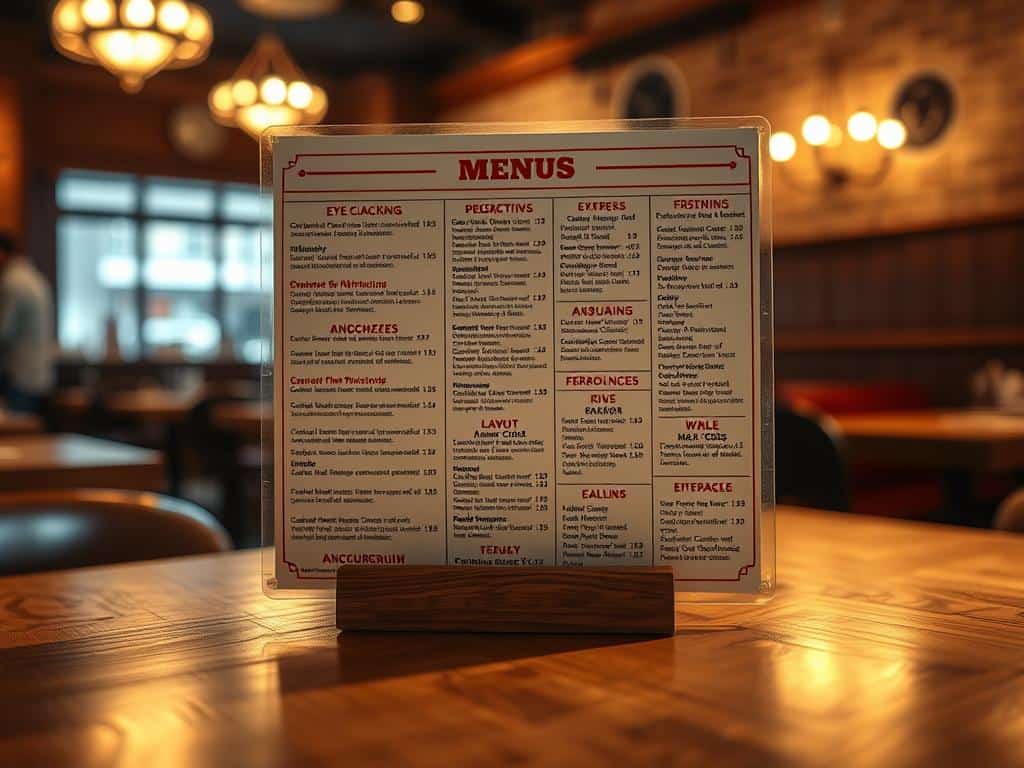
Enhancing Atmosphere to Boost Spending
The atmosphere of a restaurant greatly affects how much people spend. Things like music and lighting make the place inviting. They shape the sensory experience for everyone who comes in.
When done right, these details can make people stay longer and order more. This is key to making more money.
The Impact of Music
The music influence in a restaurant is very important. Soft music can make a place feel calm, letting people enjoy their meals more. Fast music, on the other hand, can make dining quicker, fitting for casual places.
The right tunes can change how customers feel, making them more likely to spend. For example, Starbucks uses music to keep people around longer, making them want to buy more.
Lighting and Ambiance
Lighting is also key to the atmosphere. Soft, warm lights create a cozy feel, making people want to stay and eat more. Bright lights, though, can make dining faster, which is good for quick places.
Using energy-saving LED lights can make a restaurant look good and save money. Changing the lighting can change the mood of the place. Warm colors like red and orange make people hungry, while cool colors relax them.
Conclusion
Exploring dining psychology has changed how I see dining out. It’s amazing to learn how restaurants use music and lighting to affect my mood and spending. Knowing these tricks helps me make better choices that fit my budget and what I want.
Menu design also plays a big role in how I see value. Restaurants use pricing and words to make some dishes seem better. This shows how being aware can help me avoid spending too much. By understanding these tricks, I can make choices that are right for me, not just what looks good on the menu.
In the end, dining psychology shows us a lot about how we behave when we eat out. With this knowledge, I feel more in charge of my dining experiences. This not only makes me happier but also ensures I get a meal that’s both enjoyable and fits my budget.