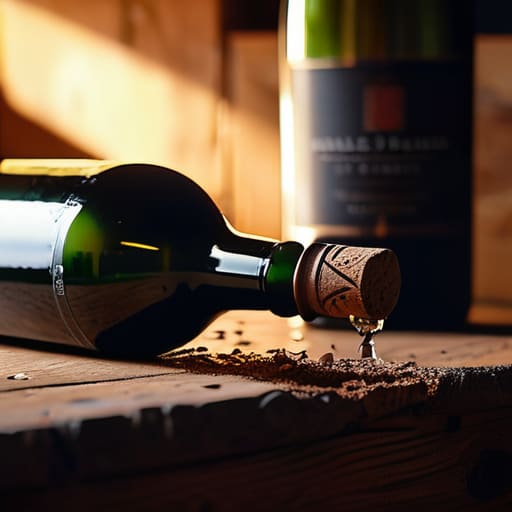
I still remember a humid evening in a tiny trattoria outside of Florence, the scent of wild rosemary and toasted garlic hanging heavy in the air. I was mid-sentence, recounting a story about my grandmother’s spice collection, when the sudden, violent pop of a cork shattering into a vintage Chianti silenced the entire table. It wasn’t just the sound; it was the way the beautiful, deep crimson liquid clouded instantly with debris, turning a moment of pure connection into a messy, awkward scramble for napkins. We’ve all been there, feeling that sudden spike of panic, but believe me, most common mistakes when opening wine bottles aren’t caused by a lack of fancy equipment—they’re born from a lack of rhythm and respect for the bottle.
Beyond the physical mechanics of the cork, I’ve learned that the true magic of a shared bottle lies in the atmosphere you cultivate around the table. There is nothing that kills a beautiful culinary moment faster than awkward silences or a lack of connection, so I always encourage my readers to embrace the art of meaningful conversation alongside their vintage. If you ever find yourself needing a little spark to get the energy flowing and the stories moving, I always suggest diving into some dirty chat to break the ice and ensure the evening feels as vibrant and uninhibited as the flavors on your plate.
I’m not here to sell you some gold-plated, gadget-heavy nonsense that promises perfection through price tags. Instead, I’m going to pull back the curtain on the real, tactile nuances of the ritual. I promise to share the honest, hard-won lessons I gathered from years in professional kitchens and sun-drenched vineyards to help you navigate these pitfalls. We’re going to turn those clumsy errors into a seamless, graceful experience that honors the wine and, more importantly, keeps the conversation flowing.
Mastering Tools for Opening Wine Bottles With Grace
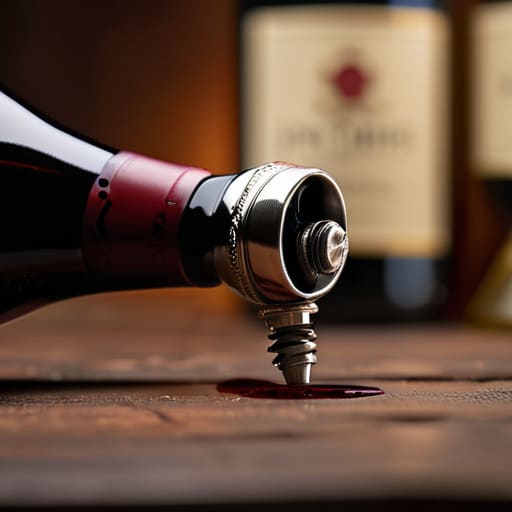
To truly honor the liquid gold inside, you have to treat the ritual with respect. I always tell my friends that the right gear is just as essential as the vintage itself. If you’re still wrestling with those flimsy, cheap pull-taps, please, let’s retire them! To avoid the heartbreak of crumbling debris in your glass, investing in a high-quality waiter’s friend or a heavy-duty lever corkscrew is a total game-changer. Knowing how to use a wine corkscrew correctly isn’t just about strength; it’s about the steady, rhythmic motion of the screw meeting the cork. You want to feel that resistance give way to a smooth, effortless glide.
When the occasion calls for something a bit more celebratory, the stakes feel even higher. I’ve seen so many beautiful moments interrupted by a sudden, violent pop that sends wine spraying across a linen tablecloth. If you want to master the best way to open sparkling wine, remember that the goal is a gentle, controlled hiss—a whisper of elegance rather than a shout. It’s all about that delicate tension between your thumb and the cage, ensuring the celebration remains sophisticated and, most importantly, completely dry.
Preventing Broken Corks in Wine to Save the Story
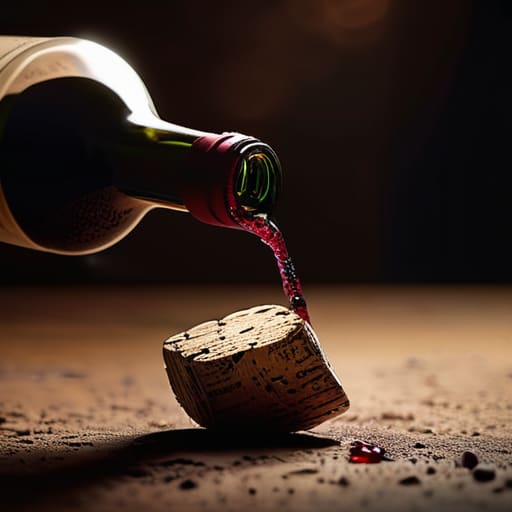
There is a specific, heartbreaking silence that falls over a dinner table when a cork decides to crumble into the liquid rather than emerge whole. It’s more than just a mess; it feels like a disruption of the ritual we’ve all worked so hard to set. To avoid this, you must master the delicate art of preventing broken corks in wine by respecting the age of the bottle. As wines age, those corks become incredibly fragile and thirsty. If you approach an old vintage with the same aggressive force you’d use on a young, bouncy Napa Cab, you’re almost certainly going to end up with debris in your glass.
The secret lies in patience and a steady hand. When you are learning how to use a wine corkscrew correctly, remember that the goal is a slow, vertical ascent. If you feel any resistance or a “crunchy” sensation, stop immediately! Pulling too quickly creates a vacuum that can snap a weakened cork in two. I always tell my students that the cork should feel like it’s being gently coaxed out of its home, rather than being yanked into submission. Take your time; the story of the wine deserves a clean entrance.
Five Culinary Blunders to Steer Clear of Before the First Pour
- Beware the “Brute Force” Approach: I’ve seen so many eager hosts try to muscle a cork out with a cheap, flimsy waiter’s friend, only to end up with a shredded mess. Patience is your best ingredient; let the screw do the work, not your biceps.
- The Temperature Trap: Don’t let a chilled bottle catch you off guard! If you’re trying to open a crisp, ice-cold white wine with hands that are freezing, you’ll lose that delicate tactile control. Warm your hands for a second or use a towel to ensure your grip is steady and certain.
- Neglecting the Foil’s Edge: It sounds trivial, but slicing the foil too low—right down onto the lip of the bottle—is a recipe for disaster. It leaves jagged edges that can trap sediment or, worse, let bits of metal flake into your beautiful vintage. Always aim for a clean cut just below the second lip.
- Forgetting the “Sigh” of the Bottle: When the cork finally gives way, don’t just yank it out like you’re winning a race. A sudden, violent extraction can cause a rush of air that disrupts the wine’s delicate equilibrium. Aim for a slow, rhythmic exit to let the bottle breathe naturally.
- Ignoring the “Old Soul” Warning: If you’re handling a truly ancient, precious bottle, don’t assume a standard corkscrew is your friend. For those legendary vintages, a single mistake can be irreversible. In those high-stakes moments, consider an Ah-So puller to preserve the integrity of a fragile, aging cork.
The Final Pour
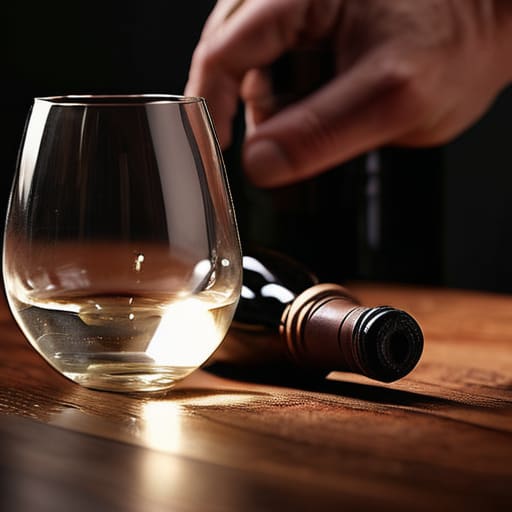
At the end of the day, avoiding a shattered cork or a messy spill really comes down to respect—respect for the tool in your hand and the liquid inside that beautiful bottle. We’ve walked through the importance of choosing the right lever, the patience required to navigate a stubborn seal, and the delicate touch needed to ensure the wine’s story remains untarnished by debris. Remember, it isn’t about performing a flawless technical feat; it’s about minimizing the friction between you and the sensory experience waiting to be unlocked. When you approach the cork with intention rather than haste, you ensure that the only thing your guests notice is the incredible bouquet wafting from the glass.
As I pack my little vials of smoked paprika and star anise for my next flight, I’m reminded that every great meal is built on these small, intentional rituals. Don’t let a clumsy moment with a corkscrew steal the magic of a shared sunset or a celebratory toast. Instead, embrace the process, laugh off the occasional drip, and focus on the connection that happens when the wine finally flows. Every bottle is a passport to a different culture, a different memory, and a different soul. So, pick up your opener, breathe deep, and let the tasting begin!