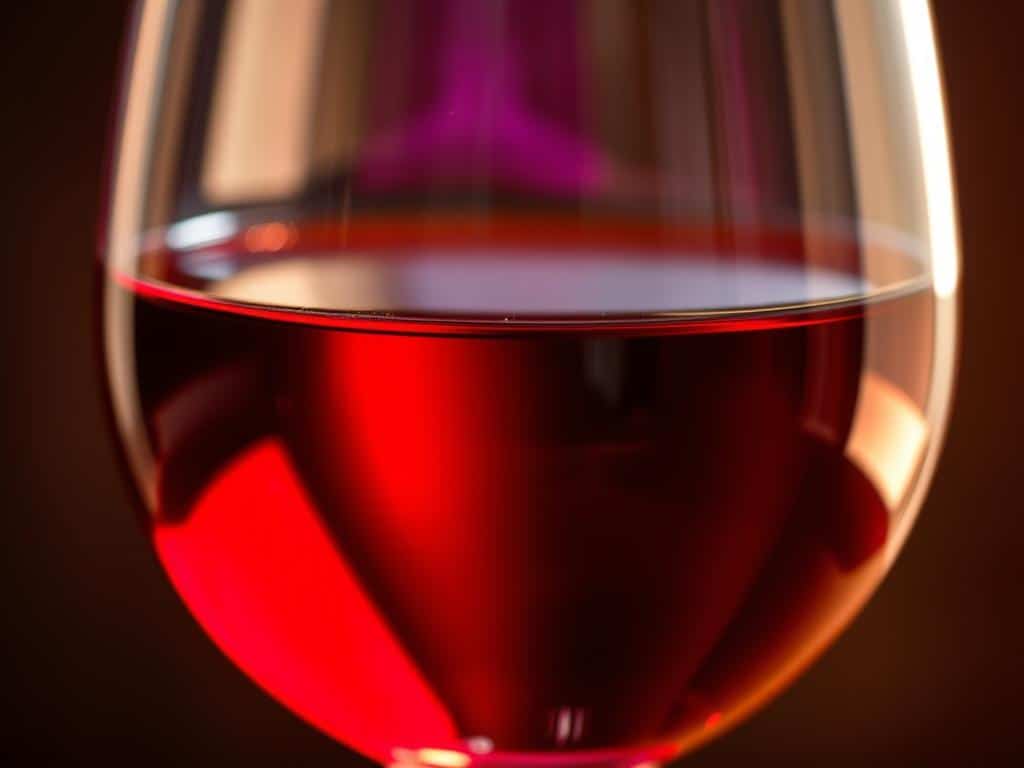
Did you know that a wine’s color comes from the grape skins, not the juice? This is a key part of how wine is made. White, red, and rosé wines all start as colorless grape juice. But, the color we see comes from the grape skins.
Dark wines are made from black-skinned grapes. These grapes stay in contact with their skins during fermentation. This process adds color, flavor, and tannins to the wine.
It’s possible to make white wine from black grapes. This happens when the skins are removed right after crushing, like in Champagne making. The thickness of the grape skins, how the wine is fermented, and the grape type all affect the wine’s color.
This wine color guide will explore the science behind wine’s colors. It will help us understand the beauty of wine’s shades and hues.
Key Takeaways
- The color of wine comes from the grape skins, not the juice.
- Red wines extract color and tannins by keeping grape skins in contact with the juice during fermentation.
- Rosé wines achieve their pink hue from brief contact with black grape skins.
- The thickness of grape skins and fermentation duration affect the wine’s color depth.
- Different grape varieties significantly influence the darkness of the wine.
Understanding Wine Pigmentation
The world of wine pigmentation is fascinating. It comes from grape skins and the grape varieties used. Knowing this can make me appreciate winemaking more.
The Role of Grape Skins in Color
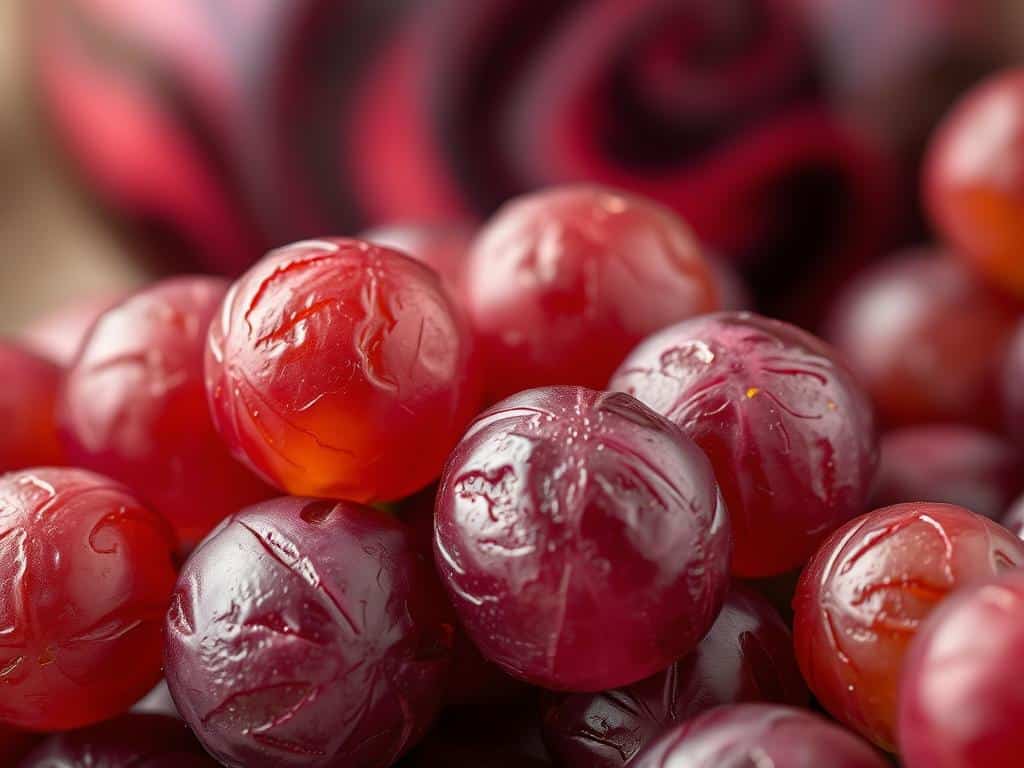
Red wine gets its color from anthocyanins in grape skins. When juice is extracted, these pigments are released. This changes the wine’s color a lot.
Different grapes have different skin thickness and composition. This affects how much anthocyanins they have. For example, Cabernet Sauvignon has thicker skins and more intense color.
Impact of Grape Variety on Wine Color
Each grape variety has its own level of anthocyanins. This greatly affects the wine’s color. Syrah, for example, has more pigments, making it darker.
On the other hand, Gamay has less, making it lighter. This means the color of the wine can vary a lot. Choosing the right grape can change the wine’s color a lot.
Anthocyanins: The Color Pigment Explained
Anthocyanins do more than just color the wine. They also mix with tannins during fermentation. This creates more color.
The wine’s pH level affects its color too. Lower acidity means brighter colors. As red wines age, their colors change. They go from bright reds to brick-red or brown.
This shows how wine changes over time. It makes me appreciate each bottle more.
Wine Color Guide: Factors Influencing Darkness
Understanding wine color is more than just looking at it. The fermentation process is key for color extraction. Grape skins in contact with juice for longer times change color a lot.
Just like brewing tea, longer contact time makes wine darker and more intense. This is because of more pigmentation and tannins.
Fermentation Process and Color Extraction
The fermentation process affects wine color a lot. Skin contact time and grape variety are big factors. Thicker-skinned grapes from warmer climates make darker wines.
Longer skin contact means more vibrant colors. Thinner-skinned grapes from cooler climates make lighter wines. This shows how important fermentation is for wine color and character.
Aging Effects on Wine Color
Aging changes wine colors over time. Red wines often turn from bright reds to softer shades like brick or brown. White wines turn from light to deeper golden or amber.
This change shows how aging affects color. As wines age, they lose anthocyanins and become lighter. Tannin breakdown during aging adds to this color journey.
How Temperature and Time Affect Color Intensity
Temperature during fermentation greatly affects color. Higher temperatures can make colors less intense. Cooler temperatures help keep colors strong.
pH levels also play a role in color. Lower pH means lighter wines, while higher pH means deeper colors and more tannins. Knowing these factors helps understand wine colors.
Conclusion
Exploring the wine color guide shows us the deep history and production secrets behind wine colors. The mix of grape skins, fermentation, and aging creates a stunning visual experience. It not only catches the eye but also tells a story of taste.
For example, red wines get their deep color from grapes like Cabernet Sauvignon. The longer the grape skins are in contact with the wine, the deeper the color. This also makes the wine taste richer.
The role of anthocyanins in wine is fascinating. It shows how color affects both how wine looks and tastes.
Thinking about how wine goes from grape to glass, I see that color is key. It shows if the wine is young or aged. Young red wines are bright, while older ones are more subtle. White wines turn golden with age, showing wine’s ever-changing beauty.
Knowing about wine colors helps me choose better wines. It makes enjoying wine even more special.