I still remember sitting in a cramped, dimly lit bistro in Bordeaux, feeling completely out of place as a young culinary student while a sommelier swirled a glass with such intimidating precision it felt more like a ritual than a meal. He spoke in riddles of “structured tannins” and “ethereal notes,” making me feel like if I couldn’t identify the exact hillside the grapes grew on, I was somehow failing. But here’s the truth: most of the gatekeeping you see in fine dining is just noise designed to make the experience feel exclusive. Learning how to taste wine like a professional shouldn’t feel like passing a bar exam; it should feel like unlocking a door to a new world of flavor.
I’m not here to teach you how to use fancy vocabulary just to impress your friends at a dinner party. Instead, I want to pull back the curtain and show you how to actually connect with what’s in your glass. We’re going to strip away the pretension and focus on the sensory storytelling—the way a single sip can transport you to a sun-drenched vineyard or a misty coastal cliff. I promise to give you the honest, hands-on tools to navigate any cellar with confidence and, most importantly, genuine joy.
Mastering Wine Tasting Sensory Evaluation Through Sight and Scent
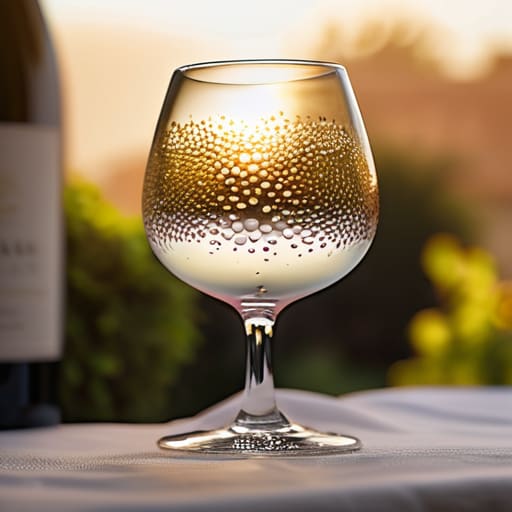
Before you even let a drop touch your tongue, the real magic begins with your eyes and nose. When I’m sitting in a sun-drenched courtyard in Tuscany or a dimly lit bistro in San Francisco, I always start by tilting my glass against a white backdrop. You aren’t just looking for color; you’re looking for the wine’s soul. Is it a pale, translucent straw or a deep, brooding garnet? This visual cue is your first step in evaluating wine body and structure, as the intensity of the hue often hints at the age and weight of what’s to come.
Once you’ve admired the legs dancing down the glass, it’s time to dive into the olfactory adventure. This is where I pull out my mental spice rack! Don’t just sniff; inhale deeply to begin identifying wine aromas and notes. Are you catching the bright, zesty punch of citrus, or perhaps something more mysterious like damp earth and dried rose petals? Try swirling the glass gently to aerate the liquid; it wakes up the molecules and releases those hidden layers of scent that tell the story of the vineyard’s unique terroir.
Identifying Wine Aromas and Notes Like a Global Traveler
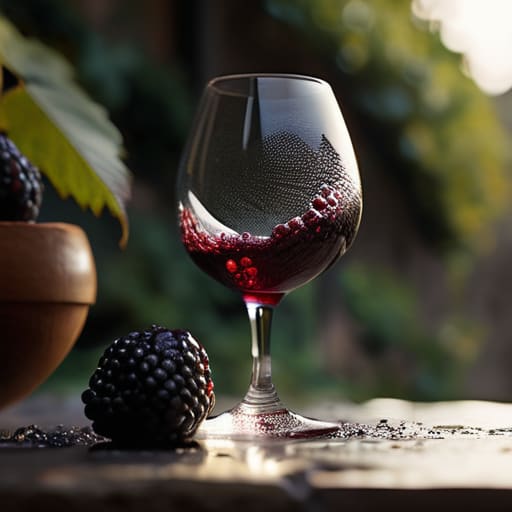
When I’m sitting in a sun-drenched plaza in Tuscany or a dim, spice-scented cellar in Bordeaux, I realize that identifying wine aromas and notes is less about clinical precision and more about memory. To me, a deep Cabernet doesn’t just smell like “dark fruit”; it smells like the blackberries my grandmother used to simmer into jam in San Francisco. When you approach the glass, try to bridge the gap between your nose and your travels. Are you catching the bright, citrusy zing of a Mediterranean lemon grove, or perhaps the earthy, damp forest floor of a Pacific Northwest autumn?
To truly master the sommelier wine tasting method, you have to let your mind wander through these sensory landscapes. Don’t get bogged down by rigid rules right away; instead, let the scent trigger a feeling or a place. As you move deeper into the experience, you’ll start to notice how these aromatics interact with the liquid’s weight on your tongue. This is where you begin evaluating wine body and structure, learning how a lush, velvety aroma can harmonize with a powerful backbone of fruit and spice.
The Sommelier’s Secret Toolkit: 5 Ways to Deepen Your Connection to the Bottle
- Stop the “Sip and Swallow” Habit: Instead of gulping, let the wine dance across your entire palate. Think of it like a complex fusion sauce; you want the wine to hit your tip, sides, and back of your tongue so you can map out the acidity, tannins, and sweetness just like a chef balances a dish.
- Temperature is Everything: Just as I wouldn’t serve a delicate saffron infusion lukewarm, don’t drink your whites when they’re ice-cold or your reds when they’re room-temperature heavy. A slight chill or a gentle warming can unlock hidden aromatic layers that were previously “locked” behind the wrong thermal door.
- The “Contextual Clue” Technique: Before you even take a sip, look at the glass and think about the soil. Is it a sun-drenched Mediterranean red or a crisp, misty Riesling from a cool valley? Connecting the liquid to its geography helps your brain prime itself for the specific flavor profiles you’re about to encounter.
- Embrace the “Aha!” Moment of Texture: Professional tasting isn’t just about flavor; it’s about mouthfeel. Ask yourself: Is this wine velvety like a rich mole, or sharp and bright like a squeeze of lime? Identifying the weight and structure of the wine will tell you more about its quality than any label ever could.
- Keep a “Flavor Journal” of Comparisons: Don’t just taste in a vacuum. Compare a heavy Cabernet to a lighter Pinot Noir side-by-side. By creating these mental benchmarks—much like how I compare different varieties of smoked paprika—you build a personal library of flavors that makes every future glass an adventure in recognition.
Beyond the Final Sip
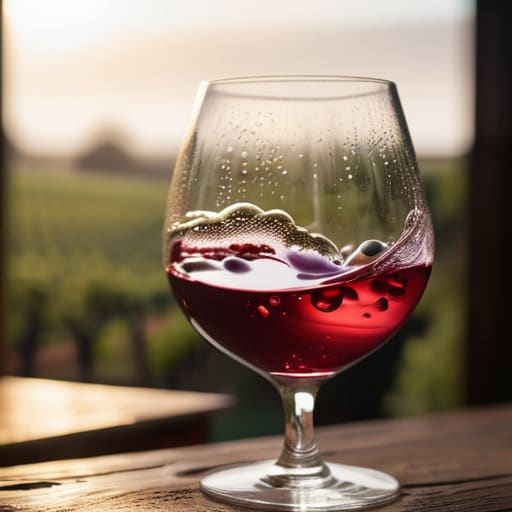
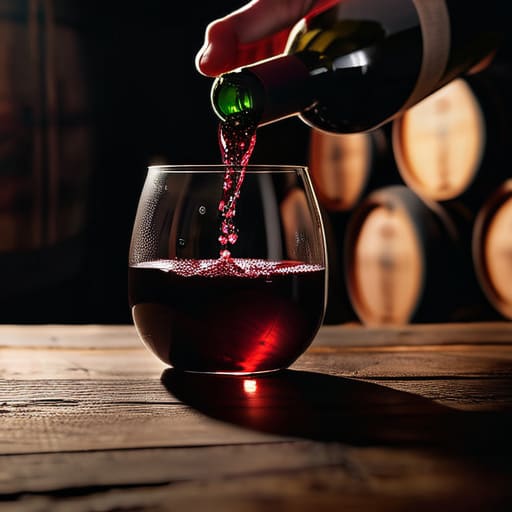
As we wrap up this sensory deep dive, remember that tasting wine like a professional isn’t about memorizing a rigid checklist or performing for a sommelier. It’s about the intentionality you bring to the glass—from the moment you observe that deep, garnet hue to the second you let the complex bouquet of fruit and earth dance in your mind. By mastering the art of sight, scent, and the delicate balance of palate, you aren’t just consuming a beverage; you are deciphering a liquid map of the soil, the climate, and the hands that crafted it. You’ve moved past simple sipping and have begun the real work of uncovering the soul of the vintage.
At the end of the day, my little vials of smoked paprika and star anise have taught me one thing: flavor is the most universal language we have. Whether you are swirling a bold Cabernet in a dimly lit bistro or a crisp Riesling on a sun-drenched terrace, I want you to listen to the story the wine is trying to tell you. Don’t be afraid to let your intuition lead the way. Every bottle is a passport, and every glass is a chance to travel without ever leaving your seat. So, raise your glass, embrace the complexity, and never stop exploring the world one delicious sip at a time.
As you begin to sharpen your palate, remember that the most profound connections often happen when we step outside our comfort zones and engage with the world around us. Just as I rely on my little vials of smoked paprika or star anise to spark a conversation in a new city, finding the right company can turn a simple tasting into a transformative cultural exchange. If you’re looking to meet kindred spirits who share your passion for life’s vibrant experiences, checking out Localfuckdate online is a wonderful way to find those unexpected connections that make every journey—and every glass of wine—truly unforgettable.