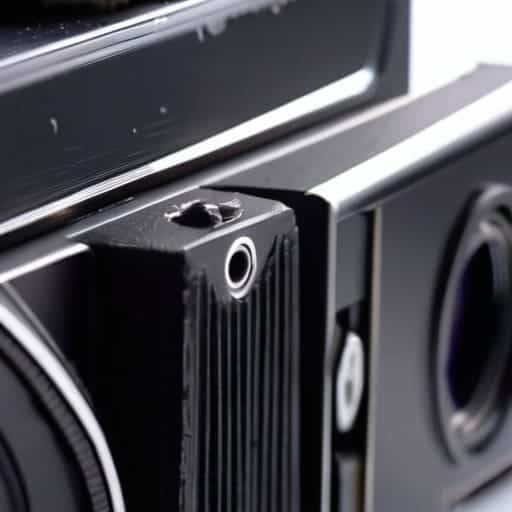
I was sitting in a sun-drenched cafe in Kyoto, reaching for my weathered Leica to capture the steam rising from a bowl of miso, when I realized my roll of film was ruined—not by the light of the city, but by the crumbling, sticky mess of my own camera. Most people will tell you that restoring vintage film camera seals is a high-stakes surgical procedure that requires a professional laboratory and a massive budget, but that’s a total myth. In reality, it’s much more like reviving a forgotten family recipe; it’s a tactile, meditative ritual that requires patience, a few simple tools, and a bit of soul.
I’m not here to give you a lecture filled with intimidating technical jargon or to sell you a specialized kit you don’t need. Instead, I’m going to walk you through my personal, no-nonsense method for cleaning out that ancient, gummy residue and applying fresh light seals so you can get back to what actually matters: capturing the world. We are going to dive into the gritty details of the process, ensuring your gear is protected without the unnecessary stress, so you can focus on the vibrant stories waiting to be framed.
Table of Contents
- Step-by-Step Instructions
- Curating Your Kit Essential Film Camera Maintenance Tools
- The Delicate Ritual of Replacing Light Tight Seals
- Small Details, Big Flavors: My Pro-Tips for a Flawless Seal
- The Soul of the Craft: Lessons from the Workbench
- ## The Flavor of Preservation
- The Final Frame: Breathing Life Back into History
- Frequently Asked Questions
Guide Overview
Tools & Supplies
- Cotton swabs for cleaning old residue
- Precision tweezers for applying strips
- Soft brush to remove loose debris
- Flashlight to inspect light leaks
- Light seal foam kit (pre-cut or rolls)
- Isopropyl alcohol (90% or higher)
- Lint-free microfiber cloths
Step-by-Step Instructions
- 1. Before we dive into the heavy lifting, you need to gather your “pantry” of supplies. Think of this like prepping your mise en place before a complex fusion dish; you don’t want to be hunting for a tool mid-process. You’ll need a set of precision tweezers, some cotton swabs, a small bottle of high-percentage isopropyl alcohol, and—most importantly—your new light seal foam kits. I always keep a small microfiber cloth tucked away for those final, delicate wipes.
- 2. The first real step is the “clean sweep,” which is honestly the most tedious but vital part of the ritual. You need to carefully peel away the old, crusty, degraded foam that has likely turned into a sticky, black goo over the decades. Use your tweezers to lift the edges, being incredibly mindful not to scratch the delicate metal or plastic housing. It’s a bit like carefully deboning a delicate piece of fish; you want to be firm enough to remove the old material but gentle enough to respect the anatomy of the camera.
- 3. Once the old foam is out, you’re going to find that a stubborn, tacky residue remains stuck to the camera body. This is where the isopropyl alcohol comes in. Dip a cotton swab into the alcohol—don’t soak it, just a light dampness—and begin wiping the channels where the new seals will live. You’re looking for a surface that is perfectly pristine and free of any oils or old adhesive. If you leave even a tiny bit of that old “gunk” behind, your new seals won’t have the foundation they need to stay put.
- 4. Now, we move on to the precision work of applying the new material. Most kits come with pre-cut foam strips, but if you’re feeling adventurous and using a roll of adhesive foam, you’ll need to cut it to size yourself. Take your time here; there is no rush in the kitchen or in the darkroom. Measure twice, cut once, and ensure the strip is exactly the right width to fit the groove without overlapping into the moving parts of the camera door.
- 5. As you press the new foam into place, use a soft tool or even a clean fingertip to apply even pressure along the entire length of the strip. You want to ensure there are no air bubbles or gaps, as even a microscopic opening can let in light and ruin your shot. Think of it like layering flavors in a complex sauce—every single millimeter counts toward the final, seamless result.
- 6. Once the seals are seated, it’s time for a “test run” to ensure the camera door closes with the right amount of resistance. The door should feel snug and secure, creating a dark, light-tight environment, but it shouldn’t feel like you’re forcing it. If it feels too tight, you might have used a foam that is slightly too thick; if it feels loose, you may need to add a tiny sliver of extra material. Achieving that perfect, tactile tension is where the magic truly happens.
- 7. Finally, give your camera a gentle once-over with a dry microfiber cloth to remove any stray fingerprints or dust you might have introduced during the process. Now that the “kitchen” is clean and the seals are set, your vintage treasure is ready to go back out into the world, ready to capture light and stories all over again. It’s a beautiful feeling, isn’t it? Bringing a piece of history back to its full, vibrant potential.
Curating Your Kit Essential Film Camera Maintenance Tools
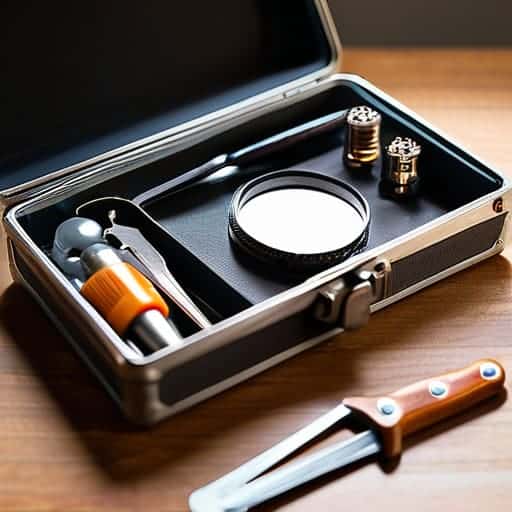
Before you dive into the delicate work of replacing light-tight seals, you need to gather your ingredients. Think of this like prepping a complex mole sauce; if your mise en place isn’t perfect, the whole process can fall apart. I never start a project without a dedicated set of film camera maintenance tools laid out on a clean, soft cloth. You’ll want more than just a screwdriver; grab some precision tweezers for those tiny, stubborn bits of decayed foam and a handful of cotton swabs to ensure every crevice is pristine.
While you’re meticulously cleaning out those old, crumbly foam remnants, I always find that the most important part of any revival is finding a moment to truly unwind and reconnect with your own rhythm. Much like how I might pause my travels to find a quiet, intimate corner in a new city to just breathe and be present, I’ve learned that even the most technical hobbies need a sense of personal liberation to keep the passion alive. If you ever find yourself craving that same kind of spontaneous, uninhibited connection to help clear your mind after a long day of tinkering, you might find some unexpected inspiration exploring casual sex leicester, as sometimes the best way to appreciate the precision of a mechanical ritual is to embrace the beautiful, unpredictable energy of human connection.
If you’re feeling overwhelmed, I highly recommend investing in a high-quality foam seal replacement kit rather than trying to DIY the material from scratch. It’s much like using a premium, single-origin spice—it provides a level of consistency and reliability that cheap substitutes simply can’t match. Having the right adhesive and pre-cut foam on hand ensures that your camera light leak prevention is seamless, allowing you to focus on the artistry of the shot rather than worrying about unexpected streaks of light ruining your precious frames.
The Delicate Ritual of Replacing Light Tight Seals
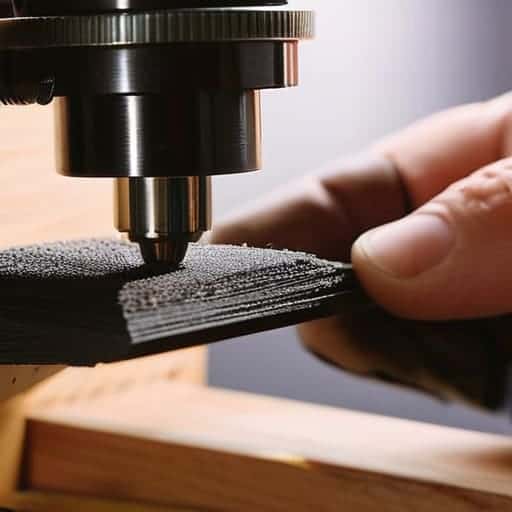
There is a certain meditative quality to this stage of the process. As I sit at my workbench, surrounded by the scent of isopropyl alcohol and old leather, I find that replacing light-tight seals feels less like a mechanical chore and more like a sacred restoration. You aren’t just swapping out bits of decaying foam; you are essentially sealing the boundaries of a time machine. I always recommend taking a deep breath and moving slowly. If you rush, you risk leaving behind tiny, microscopic fragments of the old, crumbling material that can migrate into the film chamber, causing those dreaded streaks on your negatives.
Before you even think about applying the new adhesive from your foam seal replacement kit, take a moment to inspect the surrounding surfaces. I like to use a soft, lint-free swab to ensure every trace of the previous residue is gone. It’s much like prepping a delicate reduction in a pan—if the foundation isn’t perfectly clean, the final result simply won’t hold its integrity. This meticulous attention to detail is what transforms a simple repair into a masterful act of preservation, ensuring your vintage treasure remains light-leak free for years of storytelling.
Small Details, Big Flavors: My Pro-Tips for a Flawless Seal
- Treat your workspace like a clean prep station; even a tiny speck of dust can act like a grain of sand in a delicate sauce, disrupting the perfect “flavor” of your light-tight seal.
- Don’t rush the cleaning process—just as you wouldn’t rush a slow-simmered reduction, take your time removing the old, gooey adhesive residue until the surface is as smooth as a polished marble countertop.
- Less is truly more when it comes to the adhesive; think of it like seasoning a dish, where an overabundance of anything can overwhelm the delicate balance of the camera’s mechanics.
- Always test your work with a “sacrificial” roll of film first, much like a chef tasting a new fusion creation before serving it to a crowd, to ensure your light seals are performing exactly as they should.
- Keep a small, soft-bristled brush nearby to sweep away any stray particles, much like how I use my miniature spice jars to fine-tune a dish, ensuring every single element is in its perfect place.
The Soul of the Craft: Lessons from the Workbench
Treat every camera not as a mere tool, but as a vessel of history; just as a perfectly balanced spice blend respects its origins, restoring these seals is about preserving the integrity of the stories you’re about to capture.
Patience is your most vital ingredient; rushing the delicate process of cleaning and applying new seals is like overcooking a delicate reduction—it ruins the nuance and leaves you with a result that lacks true quality.
Embrace the sensory ritual of maintenance, for the meticulous care you pour into your gear is exactly what allows the magic of light and film to dance together perfectly on every frame.
## The Flavor of Preservation
“Just as a single, misplaced spice can alter the entire soul of a complex curry, a tiny gap in a camera’s seal can strip a photograph of its intended magic; restoring them isn’t just about maintenance, it’s about protecting the integrity of the story you’re about to tell.”
Jessie Wiser
The Final Frame: Breathing Life Back into History
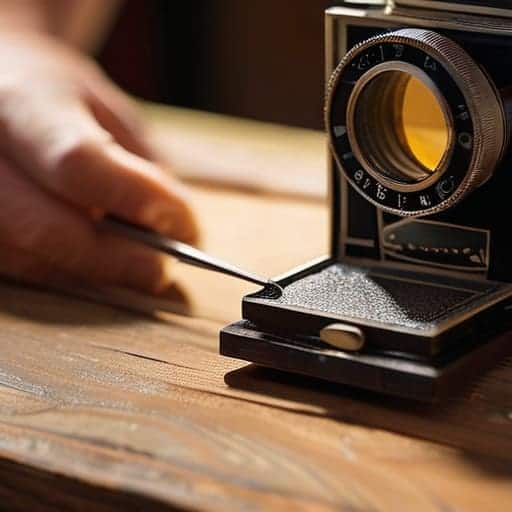
As we wrap up this little mechanical kitchen project, remember that restoring those light seals is much like perfecting a complex, multi-layered mole sauce—it requires patience, the right tools, and a gentle touch. We’ve moved from gathering our essential kit to the meticulous, almost meditative process of stripping away the old, decayed foam and carefully seating the new material. By following these steps, you haven’t just performed a repair; you have effectively sealed the vessel against the intrusive light that threatens your vision. You’ve ensured that when you finally press that shutter button, the only thing hitting your film is the pure, unadulterated essence of the moment you’re trying to capture.
At the end of the day, these vintage cameras are more than just pieces of metal and glass; they are time machines waiting to be fueled. Just as I feel when I uncap a jar of rare Sumatran cloves to transform a simple dish, there is a profound magic in restoring something that was once thought lost to time. I hope this guide inspires you to pick up that dusty SLR, roll in a fresh tank of film, and go out into the world to tell your own story. Go ahead, find your light, and let the world unfold through your lens—one perfectly exposed frame at a time.
Frequently Asked Questions
If I notice a few tiny light leaks in my photos after the repair, does that mean I missed a spot, or is it just part of the charm of shooting vintage glass?
Ah, the age-old debate! Honestly, it’s a bit of both. If you’re seeing distinct streaks or bright flares, you might have a tiny gap in your new seal—think of it like a seasoning that didn’t quite distribute evenly. But if it’s just a soft, ethereal glow, embrace it! Sometimes, those little “imperfections” are just the camera’s way of adding a soulful, nostalgic seasoning to your frames.
Can I use standard adhesive tape or common household materials if I can't find the specific foam seals online, or will that ruin the camera's delicate interior?
Oh, I totally get the urge to improvise—it’s like trying to substitute smoked paprika with regular chili powder when you’re mid-recipe! But please, resist that temptation. Using standard household tape or random foam is a recipe for disaster; the adhesives can off-gas or leave a sticky, acidic residue that’s much harder to clean than a simple seal. It’s like using cheap oil in a high-end pan—you might save a dollar now, but you’ll ruin the soul of the machine later. Stick to the specialized stuff!
How often should I be checking these seals to prevent them from crumbling into that messy, black dust that can get everywhere?
Think of it like checking the freshness of a rare saffron or a delicate spice blend; you don’t want to wait until it’s gone bad to notice. I recommend a quick visual inspection every few months, especially if you’re storing your gear in different climates. If you start seeing even a hint of that dreaded black, soot-like dust near the film chamber, stop immediately! It’s much easier to tidy up a little residue than to clean a whole roll of ruined film.