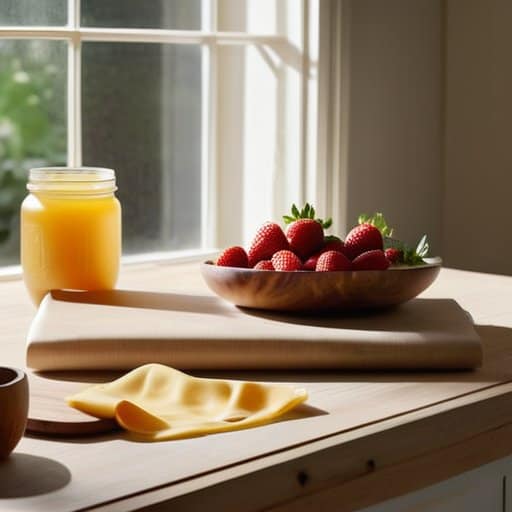
Ever tried to roll a beeswax wrap only to end up with a sticky, uneven sheet that looks more like a kitchen mishap than a reusable marvel? I’ve been there—standing over a sizzling wok in a cramped Chiang Mai apartment, my tiny collection of miniature spices clattering against the countertop, while I wrestled with a clump of melted wax that refused to cooperate. The myth that “DIY beeswax wraps are impossibly finicky” kept me from trying again, until I realized the truth: making DIY beeswax food wraps is as straightforward as a good shawarma roll, once you know the right rhythm. Let me pull you into that kitchen moment where the scent of cinnamon‑infused wax finally settled into a smooth, cling‑ready sheet.
In the pages that follow, I’ll walk you through every honest, no‑hype step you need— from sourcing the perfect cotton canvas and choosing a wax blend that sings with your favorite spice, to mastering the heat‑press technique that gives your wrap that buttery seal. You’ll get a printable checklist, quick fixes for common stick‑streaks, and even a few creative twists (think kaffir‑lime zest or smoked paprika) that will let your wraps tell a story as vibrant as the markets that inspired them. By the end, you’ll be confidently making DIY beeswax food wraps that look, feel, and smell like a tiny, sustainable feast.
Table of Contents
- Step-by-Step Instructions
- How to Melt Beeswax for Food Wraps Without a Lab
- Choosing the Best Cotton Fabric for Reusable Wraps
- Spice‑Wrapped Secrets: Five Pro Tips for Perfect Beeswax Wraps
- Quick Wrap‑Up: Your DIY Beeswax Wrap Essentials
- Waxing Poetic with Every Wrap
- Wrapping It All Up
- Frequently Asked Questions
Guide Overview
Tools & Supplies
- Oven – standard kitchen oven for melting wax
- Baking sheet – flat tray to lay fabric on
- Parchment paper – protects sheet and fabric
- Pastry brush – for spreading wax mixture
- Scissors – to cut fabric to size
- Heat‑proof gloves (optional) – protect hands from hot wax
- 100% cotton fabric – 1 sheet (≈12×12 in)
- Beeswax pellets – 1 lb (or 8 oz for a smaller batch)
- Jojoba oil – 2 Tbsp (prevents brittleness)
- Pine resin (optional) – 1 Tbsp (adds tackiness)
- Parchment paper – 1 sheet (to line baking sheet)
Step-by-Step Instructions
- 1. Gather your treasure trove of ingredients: Grab a clean cotton fabric (I love a crisp, white muslin that feels like a fresh market stall), a generous block of pure beeswax, a splash of organic jojoba oil for flexibility, and a pinch of sea salt for that subtle sparkle. If you’re feeling adventurous, sprinkle a few of my pocket‑sized spice gems—like a whisper of smoked paprika—to give each wrap a whisper of story.
- 2. Set the stage in your kitchen laboratory: Lay the fabric flat on a heat‑proof surface, then melt the beeswax (and jojoba oil, if you’re using it) together in a double boiler until they swirl into a golden, glossy potion. The scent alone will transport you to a bustling beehive at sunrise—pure culinary poetry.
- 3. Apply the molten mixture with artistic flair: Using a silicone brush, glide the liquid wax across the fabric in smooth, sweeping strokes, letting it seep into every fiber. Imagine you’re painting a canvas of flavor; the wax should coat both sides, leaving just a thin, translucent veil that will later cling to your favorite leftovers.
- 4. Seal the deal with a gentle heat: Immediately after coating, place the wax‑kissed cloth under a warm kitchen towel or a low‑heat oven (no more than 150 °F/65 °C) for a minute or two. This step fuses the wax into the fibers, ensuring the wrap will hug your food like a warm embrace from a distant chef.
- 5. Trim, fold, and test the magic: Cut the fabric into convenient sizes—think snack‑sized squares or generous dinner‑plate rectangles. Press the edges with a warm iron (no steam) to seal them, then wrap a piece of cheese or a crisp apple. If it sticks snugly without tearing, you’ve just created a reusable, eco‑friendly kitchen companion!
- 6. Store your new kitchen heroes: Stack the freshly made wraps in a clean jar, each one nestled with a sprig of dried herbs from my spice collection. They’ll stay supple and ready for the next culinary adventure, waiting to whisper stories of global kitchens every time you reach for them.
How to Melt Beeswax for Food Wraps Without a Lab
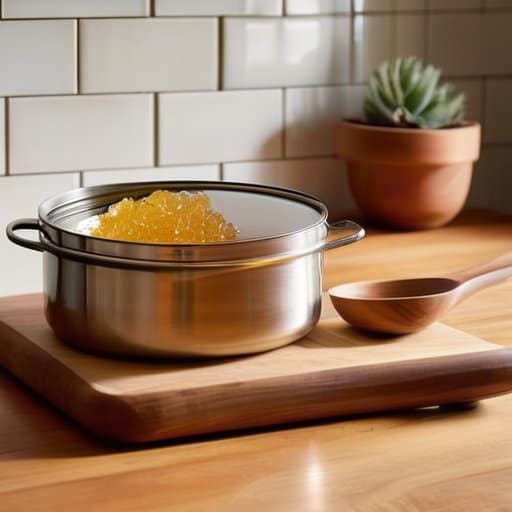
First, gather the heroes of your wrap: pure beeswax, a splash of jojoba oil, and, if you’re feeling adventurous, a pinch of pine resin for a rustic, pine‑kissed aroma. The easiest answer to how to melt beeswax for food wraps is a gentle double‑boiler. Place a heat‑proof bowl over simmering water and let the wax melt slowly, stirring with a wooden spoon until it turns a glossy amber sea. A microwave works in a pinch—heat in 20‑second bursts, stirring between each, and never leave it unattended. Safety tips for homemade food wraps include keeping a lid nearby and an oven‑proof glove at the ready. These are the ingredients for eco‑friendly food wrap.
When I was wandering the bustling stalls of Glasgow’s West End market, I stumbled upon a tiny, family‑run textile shop where the scent of freshly dyed cotton mingled with the salty breeze off the River Clyde; the owner—an exuberant crafter with a twinkle in his eye—showed me a stash of buttery‑soft, organic linen that would have made any kitchen‑guru swoon, and he even slipped me a handwritten map to the nearest beehive‑friendly honey shop (a sweet bonus for your wax melt). If you ever find yourself in that corner of Scotland, a quick detour to the “sex in glasgow” page will point you toward a hidden gem of fabric stalls where you can pick up hand‑woven linens that turn your DIY wraps into a tactile love letter to the city’s textile heritage.
While the wax is, lay out your canvas: the best cotton fabric for reusable wraps is a tightly‑woven, untreated muslin or organic cotton that breathes yet holds shape. With a pastry brush, drizzle a thin layer of the molten mixture across the cloth, letting it seep into every fiber before it cools. This step transforms a staple into a natural alternative to plastic wrap, giving you sustainable kitchen storage ideas that are functional, beautiful. Let the wrap set, then admire your masterpiece!
Choosing the Best Cotton Fabric for Reusable Wraps
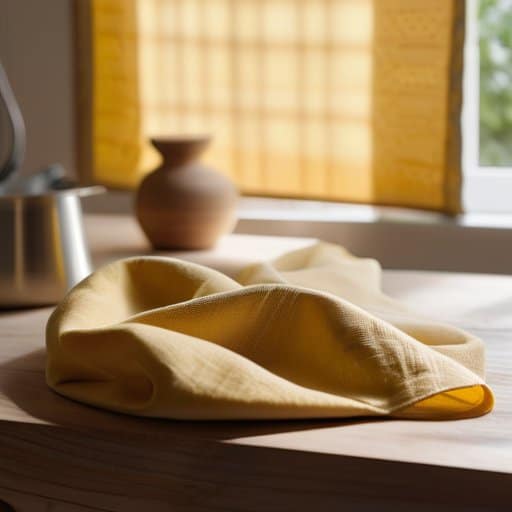
When I scout the market for the best cotton fabric for reusable wraps, I treat each bolt like a passport stamp. Look for a tight, plain‑weave muslin or a buttery‑soft quilting cotton that’s at least 120 gsm—thin enough to flex around a cheese wedge but sturdy enough to hold a melt of beeswax without tearing. I always opt for 100 % organic, pre‑washed fabric; the extra rinse strips away any lingering chemicals that could interfere with how to melt beeswax for food wraps and keeps the surface buttery smooth. Choosing a neutral hue also lets the golden sheen of the wax shine through, turning a simple kitchen staple into one of those natural alternatives to plastic wrap we all crave while brainstorming sustainable kitchen storage ideas.
Once you’ve selected your canvas, the next step is to treat it like a tiny, edible garment. I like to layer the cloth with a thin coat of pine resin before the wax—this is the secret behind my DIY beeswax wrap recipe with pine resin. The resin acts like a natural adhesive, giving the wrap a subtle tackiness that clings to bowls and produce alike. As you melt the beeswax (remember the gentle double‑boiler trick from the “how to melt beeswax for food wraps” section), stir in a splash of jojoba oil and a pinch of the pine resin; these ingredients for eco‑friendly food wrap not only improve flexibility but also add a faint, forest‑kissed aroma. Finally, always test a small patch for safety—make sure the wax fully adheres and that the fabric stays breathable—to keep your new kitchen hero both beautiful and safe.
Spice‑Wrapped Secrets: Five Pro Tips for Perfect Beeswax Wraps
- Toast your wax gently over a low flame—just a whisper of caramel will give your wraps a subtle, buttery aroma that reminds me of a Marrakech souk at sunset.
- Blend a dash of raw honey into the melt; it not only sweetens the scent but creates a natural tackiness that hugs leftovers like a warm shawl.
- Use a pre‑seasoned, organic cotton with a loose weave—its breathable fibers let the wax seep in while still feeling as soft as a hand‑woven sari.
- Add a pinch of ground cardamom or smoked paprika to the wax for a fragrant twist that transports you from a bustling Bangkok market to your kitchen counter.
- Let the freshly poured wrap rest on a silicone mat for at least five minutes before trimming—this pause lets the wax settle, ensuring a flawless, glossy finish every time.
Quick Wrap‑Up: Your DIY Beeswax Wrap Essentials
Melt wax gently with a double boiler, stirring in a dash of essential oil for aroma and antimicrobial boost.
Choose 100% organic cotton, pre‑washed and tightly woven, to ensure durability and food‑grade safety.
Seal, store, and reuse your wraps—just rinse with cool water, avoid the microwave, and let them air‑dry for endless eco‑friendly meals.
Waxing Poetic with Every Wrap
“When I melt a whisper of golden beeswax onto a humble cotton square, I’m not just crafting a reusable snack‑saver—I’m draping the kitchen in a story, a fragrant bridge between buzzing hives and the bustling markets of my hometown, reminding us that every bite can be wrapped in wonder.”
Jessie Wiser
Wrapping It All Up
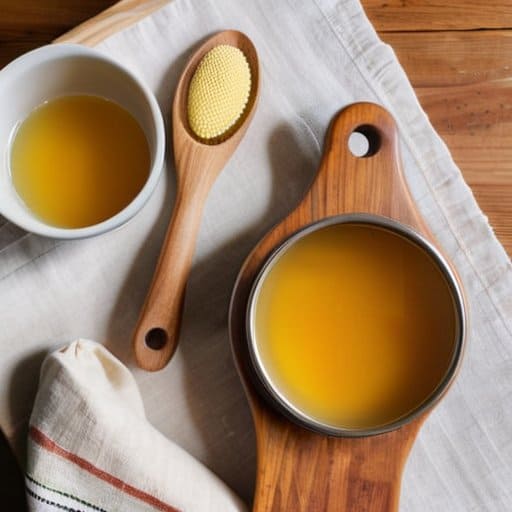
By now you’ve seen how a simple piece of cotton, a handful of beeswax, a splash of jojoba oil, and a pinch of your favorite spice can transform into a reusable kitchen hero. We walked through picking a breathable, tightly‑woven fabric, heating the wax in a double‑boiler (or a trusty saucepan), stirring in the oils, and then brushing the molten mixture onto the cloth in a single, smooth pass. After a quick cool‑down, trimming the edges, and tucking the wrap into a tidy pouch, you’ve created a sustainable alternative to cling film that still feels luxurious. Remember, the handcrafted charm of each wrap lies in the tiny imperfections that tell the story of your kitchen adventure.
When you seal a sandwich or wrap a slice of cheese with your own beeswax cloth, you’re not just preserving food—you’re wrapping a moment of mindfulness, a whisper of the hive, and a reminder that the kitchen is a passport to the world. Each time you peel back the wax‑kissed edge, imagine the buzzing bees that once gathered nectar, the markets where the cotton was spun, and the countless meals that will be savored inside. Let these little packets of eco‑elegance inspire you to experiment with new flavors, share your creations at dinner tables, and spread the global kitchen connection one reusable wrap at a time.
Frequently Asked Questions
Can I use colored or scented beeswax for my wraps, and will that change their safety for food?
Absolutely—you can spice up your wraps with color and scent, and they’ll still be kitchen‑safe as long as you stick to food‑grade ingredients. Choose natural pigments (think beet powder, turmeric or hibiscus) or a dash of pure essential oil (lemon, lavender, or orange) and melt them right into the pure beeswax. Avoid any synthetic dyes or fragrance oils labeled “non‑food,” because those can leach unwanted chemicals. With those clean, edible additions, your wraps stay fresh, fragrant, and completely safe for everyday use.
How long do homemade beeswax wraps typically last before I need to re‑wax or replace them?
Most of my own wraps stay fresh for about six to twelve months, depending on how often you wash them and what you store inside. If the surface starts to look dull, cracks, or loses its gentle waxy grip, it’s time for a quick re‑wax—just melt a bit of fresh beeswax and give them a light brush‑over. With gentle hand‑washing and no harsh detergents, many wraps can cruise a full year before you retire them.
What’s the best method for washing and storing my wraps so they stay fresh and effective?
I love that you’re caring for your wraps! Gently hand‑wash them in cool water with a splash of mild dish soap—no scrubbing, just a soft swipe. Rinse thoroughly, then pat dry with a clean towel or let them air‑dry on a dish rack (avoid direct sunlight, which can melt the wax). Once dry, roll them up and tuck them into a breathable linen pouch or a clean drawer; they’ll stay fresh, stretchy, and ready for your next culinary adventure. Happy wrapping!