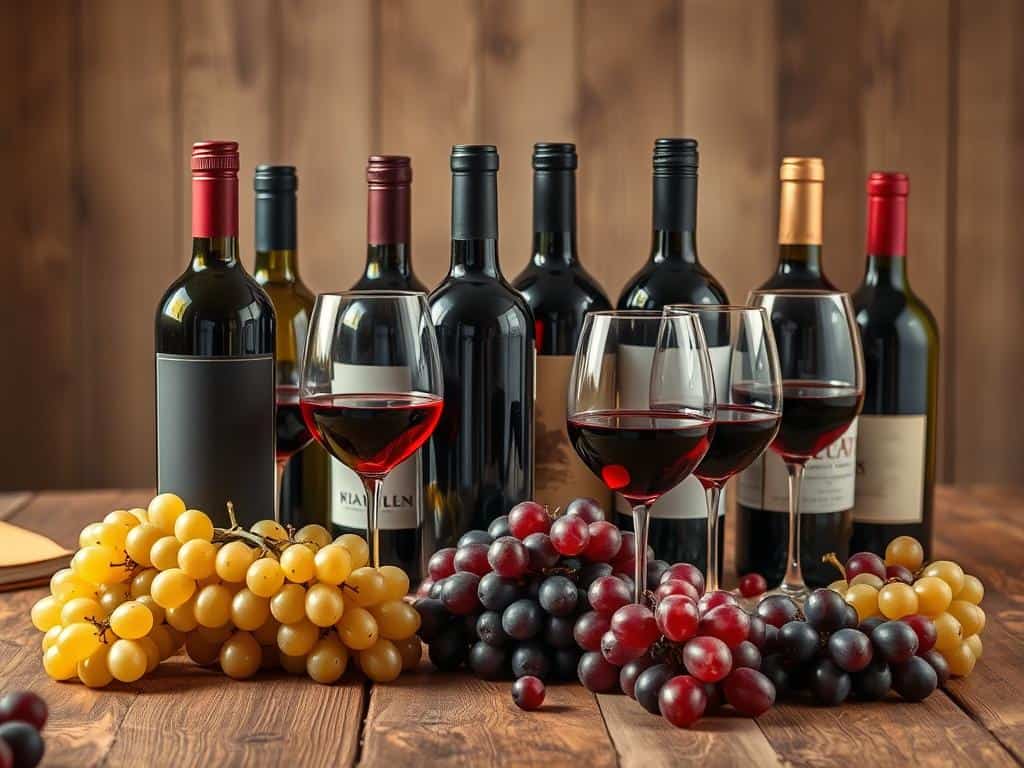
Did you know that serving wine at the right temperature can make its flavor up to 25% better? It’s true! Knowing how to serve wine can make a big difference. It’s not just about the wine itself, but also the temperature and the glassware.
From light, crisp whites to bold reds, the right conditions bring out the wine’s best. In this article, I’ll share essential serving techniques. These tips will make any dinner party or cozy evening at home more enjoyable.
Key Takeaways
- Optimal temperatures vary for different wine types, impacting flavor and aroma.
- Glass shape matters—rounded bowls enhance aroma concentration.
- Chill white wines and sparkling wines to preserve freshness.
- Full-bodied reds should be served just below room temperature for best results.
- Decanting and warming techniques can significantly improve wine experience.
- Avoid overfilling glasses to allow for swirling and aroma appreciation.
- Preparation time is key—chill or warm wine adequately before serving.
Understanding Wine Serving Temperatures
Knowing the right wine serving temperatures is key to enjoying different wines. The temperature affects the wine’s aroma and taste. Serving temperature is not just about personal taste; it also changes how we experience the wine’s qualities.
For example, red wines taste better at higher temperatures, bringing out the alcohol. On the other hand, white wines that are too cold can hide their flavors. Keeping these points in mind makes for a better tasting experience.
Why Temperature Matters
The perfect serving temperature brings out the wine’s intended flavors and aromas. If the wine is too warm or cold, it can lose its true taste. I always use a wine thermometer to check the temperature before serving.
This ensures I serve the wine at the best temperature, improving the tasting experience. Also, decanting red wines at the right temperature can make them even more enjoyable, with every sip a pleasure.
Ideal Serving Temperatures by Wine Type
Each wine type has its own ideal serving temperature. Sparkling wines are best at 40-46°F (5-8°C), providing a refreshing taste. Light white and rosé wines should be served at 44-55°F (7-12°C), keeping them crisp and lively.
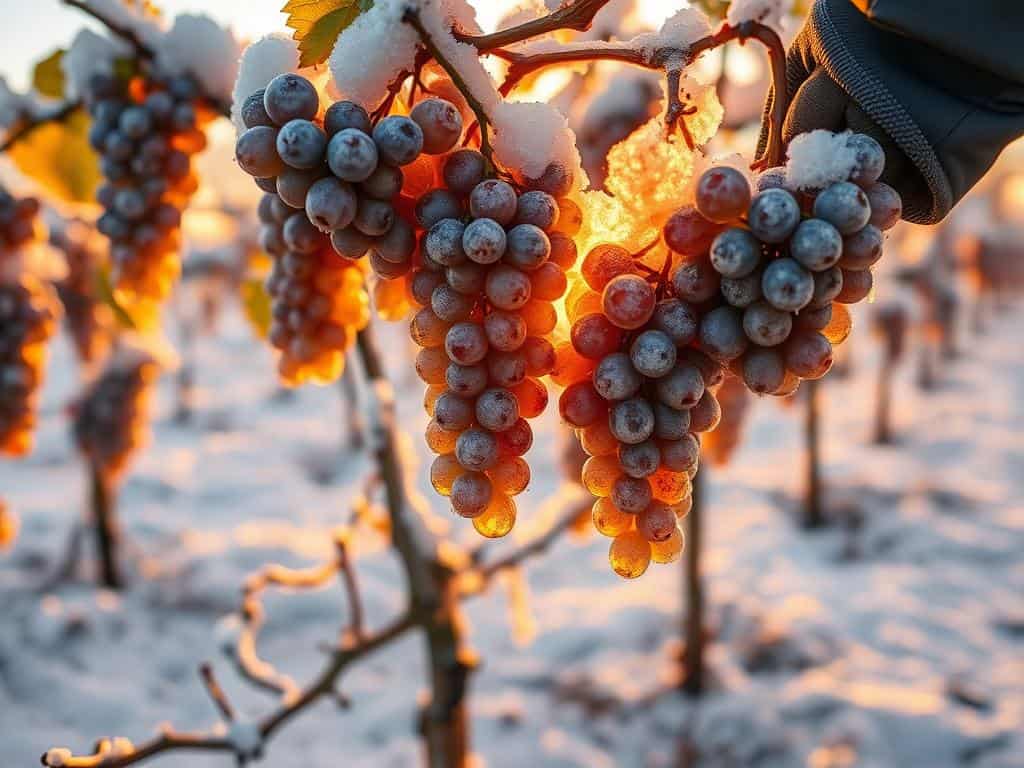
For red wines, light and medium-bodied ones are best at 55-59°F (13-15°C). Bold reds, on the other hand, shine at 60-68°F (15-20°C). Dessert wines have their own range, like ice wine at 50°F (10°C) and tawny ports at 55-58°F (12-14°C). Knowing these temperatures ensures the wine is enjoyed at its best.
Best Glassware for Different Wines
Choosing the right glassware is key to a great wine experience. Each wine needs a specific wine glass shape to show off its best qualities. Knowing which glass to pick can make any moment special.
Choosing the Right Glass Shape
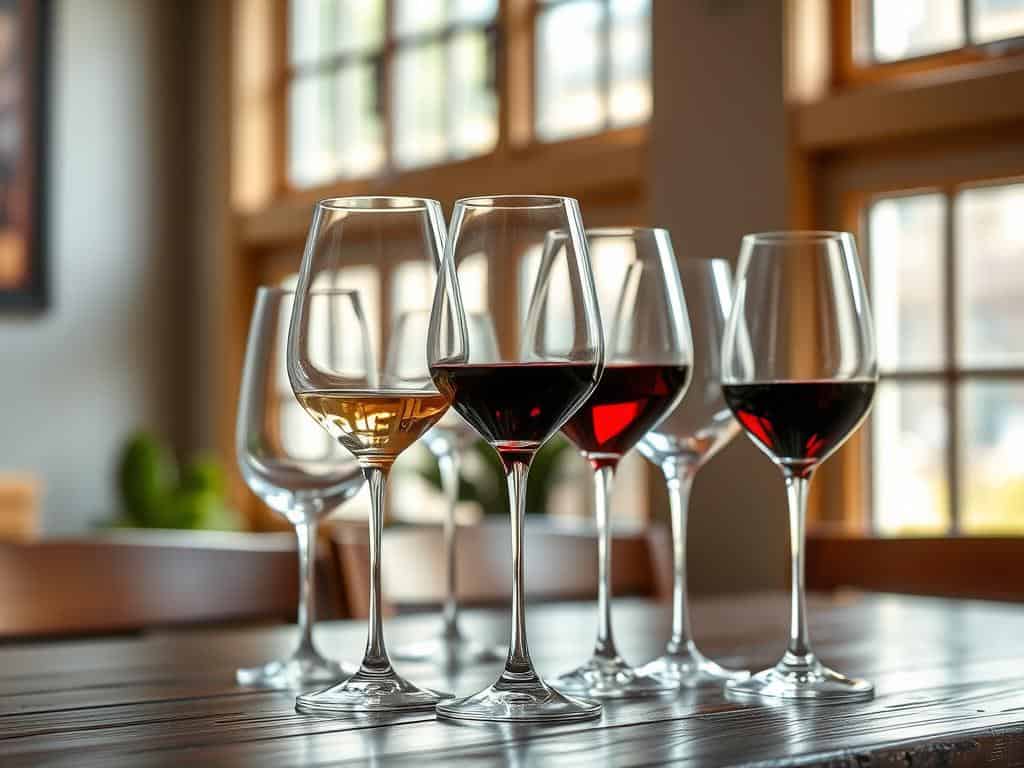
Red wines do well in larger glasses like Bordeaux. These glasses help the wine breathe, releasing its complex smells. On the other hand, white wines are best in smaller glasses. This keeps them cool and focuses their floral scents.
Sparkling wines are perfect in flutes. These glasses keep the bubbles alive and make the wine more enjoyable. Remember, the right best glassware is essential for each wine’s unique taste.
Recommended Wine Glass Types
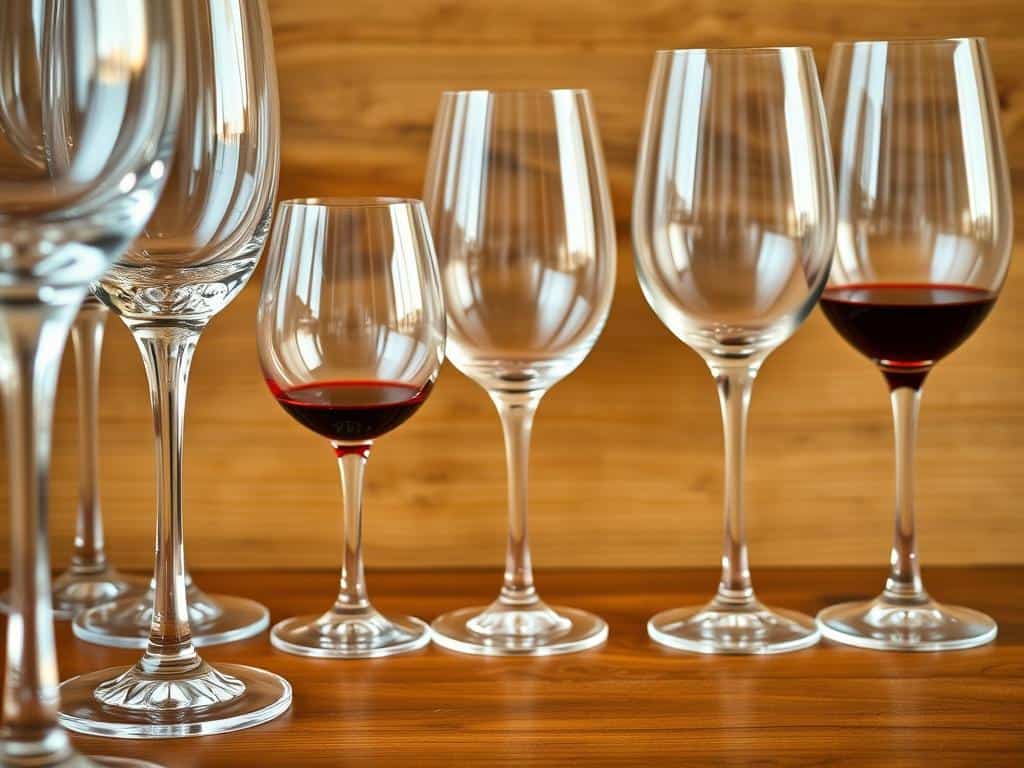
There are many wine glass types for both red and white wines. The Riedel Vinum line shows how glass shape affects taste and smell. For reds, a standard red wine glass is good for medium-bodied wines.
The Bourgogne glass is better for delicate reds, capturing their subtle smells. White wine glasses come in different sizes. Larger ones, like Montrachet, are for full-bodied whites, highlighting their creamy textures.
Universal glasses, like those from Zalto, are versatile but might not improve flavors as much. Picking the right glass can really bring out the wine’s true taste and make it more enjoyable.
Wine Serving Tips
Proper wine serving tips can make any event special. Getting wine ready right is key to enjoying it fully. The right temperature is important for flavors and smells.
For white wines, chilling them in the fridge overnight is best. Red wines should be slightly cooled and served at a certain temperature. I often decant red wines to let them breathe, which brings out their complex flavors.
Preparing Wine for Serving
Keeping wine quality high means storing it below 70°F (21°C). The best range is 45°–65°F (8°–18°C). Light-bodied wines get 20 to 30 minutes of air, while medium-bodied ones need 20 minutes to an hour.
Full-bodied wines sit for 1 to 2 hours before serving. Using a decanter is good for larger bottles. This also helps older wines look better and taste better.
Pouring and Aeration Techniques
Pouring wine carefully makes it more enjoyable. A wine pourer helps avoid spills and improves air flow. A wine aerator can also enhance the smell and taste of red and white wines.
Sparkling wines are best in tall, narrow glasses to show off their bubbles. But, for regular wines, a bigger bowl is better. It lets you swirl the wine and enjoy its unique taste.
Conclusion
Learning the right way to serve wine makes every sip better. It’s all about temperature, glassware, and how to pour. By following these wine serving best practices, I get to enjoy the full taste and smell of each wine. Whether it’s a small get-together or a big event, these tips make the moment special.
Knowing the perfect serving temperature is key. For whites, it’s 45-50°F, and for reds, it’s 60-65°F. Using the right glassware, like long-stemmed ones, makes the smell even better. I’ve found that trying different temperatures and glasses helps me find what I like best.
With time and trying new things, I can make each wine tasting just right for me. These tips don’t just make me happy but also my guests. By following the wine serving best practices from this article, I can make wine moments that everyone loves.