Did you know Spain is the second-largest wine exporter? It’s a hidden gem for wine lovers. With over 1.2 million hectares for grape varieties, Spanish wines are getting more popular worldwide.
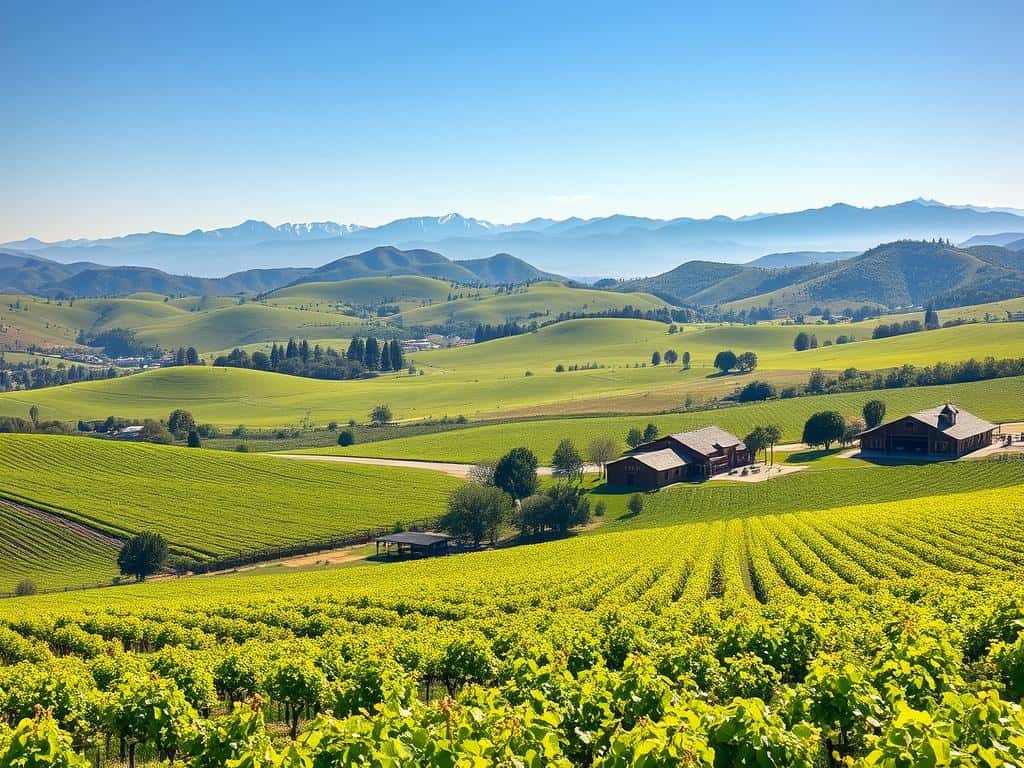
This rise is thanks to a focus on local grapes like Tempranillo and Garnacha. Also, new regions like Bierzo and Ribeira Sacra are gaining attention. High-altitude vineyards, up to 1,300 meters, add to Spain’s wine fame.
In the United States, cities like New York are embracing Spanish wine bars. This shows Spain’s growing reputation. Quality and new techniques prove Spain is a major player in the wine world.
Key Takeaways
- Spain is the second-largest wine exporter globally, often overlooked despite its vast production.
- The focus on indigenous grapes, like Trepat and Merseguera, showcases Spain’s unique viticultural landscape.
- Innovative aging techniques and high-altitude vineyards contribute to the quality revolution in Spanish wines.
- Spanish wine bars are becoming a staple in U.S. cities, enriching cultural exchange through wine.
- The Certified Restaurants from Spain program encourages the inclusion of Spanish wines in dining experiences.
- Organic viticulture is on the rise, with over 121,000 hectares committed to organic production.
- The interest in wines from lesser-known regions challenges traditional areas like Rioja and Priorat.
Exploring the Diversity of Spanish Wines
Spanish wines are rich and varied, thanks to native grapes and the country’s geography. With over 60 wine regions, Spain leads in wine production. It offers many styles for every taste.
Native Grape Varieties
Tempranillo and Albariño are top choices, known for their unique tastes. Other grapes like Verdejo add to the variety. Even lesser-known grapes like Prieto Picudo and Listán Negro are becoming popular.
Each grape tells a story of its region’s soil, climate, and winemaking traditions. This makes every bottle special.
Major Wine Regions
Regions like Rioja, Rías Baixas, and Ribera del Duero highlight Spain’s terroir. Rioja is famous for its Tempranillo, with a long winemaking history. Rías Baixas is known for its Albariño, great with seafood.
Catalonia is famous for Cava, a sparkling wine that rivals French Champagnes. Spain’s focus on organic wine is also notable, with 27% of its wine being organic. This shows a commitment to sustainability and the environment.
Quality Revolution in Spanish Wines
The world of Spanish wines is changing fast, thanks to the quality revolution. This movement, known as the New Spain movement, brings new ideas to winemaking. It focuses on making wines that are true to their origins and break away from old ways.
Young winemakers are using new methods. They use things like neutral barrels and stainless steel to keep the wine’s natural taste. This change is making Spanish wines stand out worldwide.
The Rise of New Spain Movement
The New Spain movement is all about organic and biodynamic farming. It’s making old vineyards come back to life, adding depth to the wines. This approach also means less water is used, which helps show off the land’s character.
Wineries like Pazo de Barrantes are leading the way. They make wines that truly show off their place. The albariño grape from Rías Baixes in Galicia is a big hit. Its wines are known for their fresh taste and minerality.
Global Recognition and Market Trends
Spanish wines are getting more love around the world. This is thanks to a new generation of winemakers. The DOP and IGP systems help keep quality high while allowing for creativity.
In 2022, the U.S. became a big market for albariño. This shows that people want top-quality wines that don’t cost too much. Spain’s many wine regions, including the Balearic and Canary Islands, are exploring new winemaking paths. Famous wineries like Vega Sicilia and Pingus have helped put Spanish wines on the map.

Conclusion
Spanish wines are on an exciting journey, evolving fast in the global wine scene. They have a deep history, influenced by Romans and medieval monasteries. This history helps them stand out today.
Spain’s wine regions offer a wide range of tastes. From Rioja’s bold reds to Catalonia’s lively cavas, there’s something for everyone. This variety attracts both wine lovers and newcomers.
Cultural festivals like the Harvest Festival in Jerez highlight Spanish winemaking’s artistry. These events draw tourists and deepen their appreciation for Spanish wines. They offer a chance to connect with the traditions behind each bottle.
These festivals make discovering Spanish wines a memorable experience. They encourage people to explore more, seeking out the stories behind their favorite wines.
Spanish winemakers are also embracing new trends. They focus on sustainable practices and unique grape varieties. This forward-thinking approach is making Spain a key player in the global wine market.
Quality, diversity, and value make Spanish wines very appealing. They promise a bright future, inviting wine lovers worldwide to enjoy this rich tapestry of flavors and traditions.