Did you know over 10,000 distinct aromas can be found in a glass of wine? This amazing fact shows how complex and rich wine tasting can be. It’s not just about drinking wine; it’s an art that mixes sensory exploration with understanding flavors.
In this guide, I’ll share the key steps and techniques to improve your wine tasting. These tips will make you feel like a sommelier. From looking at the wine’s color to enjoying its finish, mastering these steps can make tasting wine a fun journey.
As someone who loves wine, I’ve learned that paying attention to each step is key. It lets you enjoy every aspect of a bottle. With this guide, you’ll have the tools to make your wine tasting adventures better. You’ll also connect more with the wines you love.
Key Takeaways
- Understanding wine involves evaluating its appearance, aroma, flavor, and body.
- Using the aroma wheel can help identify various aspects of a wine’s profile.
- Swirling and smelling wine are key steps to unlock its full flavor.
- Notice the balance of acidity, tannins, and sweetness in each sip.
- The finish of a wine is a key indicator of its quality.
- Writing down your tasting notes can improve your future wine appreciation.
Introduction to Wine Tasting
Wine tasting is an immersive sensory experience that engages the senses. It goes beyond just liking a wine. It’s a journey of discovery and appreciation. This journey helps me understand the unique qualities of each wine.
At a wine tasting, I first look at the wine’s color and clarity. These tell me about the grape and how old it is. Then, swirling the wine in my glass releases its complex smells. I use tools like Le Nez du Vin to identify these smells.
When I taste the wine, I pay attention to its balance. I notice its sweetness, acidity, and tannins. These elements tell me about the wine’s age and quality. This careful tasting sharpens my palate and deepens my connection with the wine.
Through this process, I develop a true appreciation for wine. Whether at home or at a special event, it’s a transformative experience. It encourages me to explore and enjoy wine in a deeper way.
Wine Tasting Guide: Steps to Savoring Wine
Learning to taste wine is a journey. It lets me enjoy the full range of flavors in each bottle. I look at how the wine looks, smells, tastes, and how it goes with food. This way, drinking wine becomes a special experience.
Step 1: See – Evaluating the Appearance
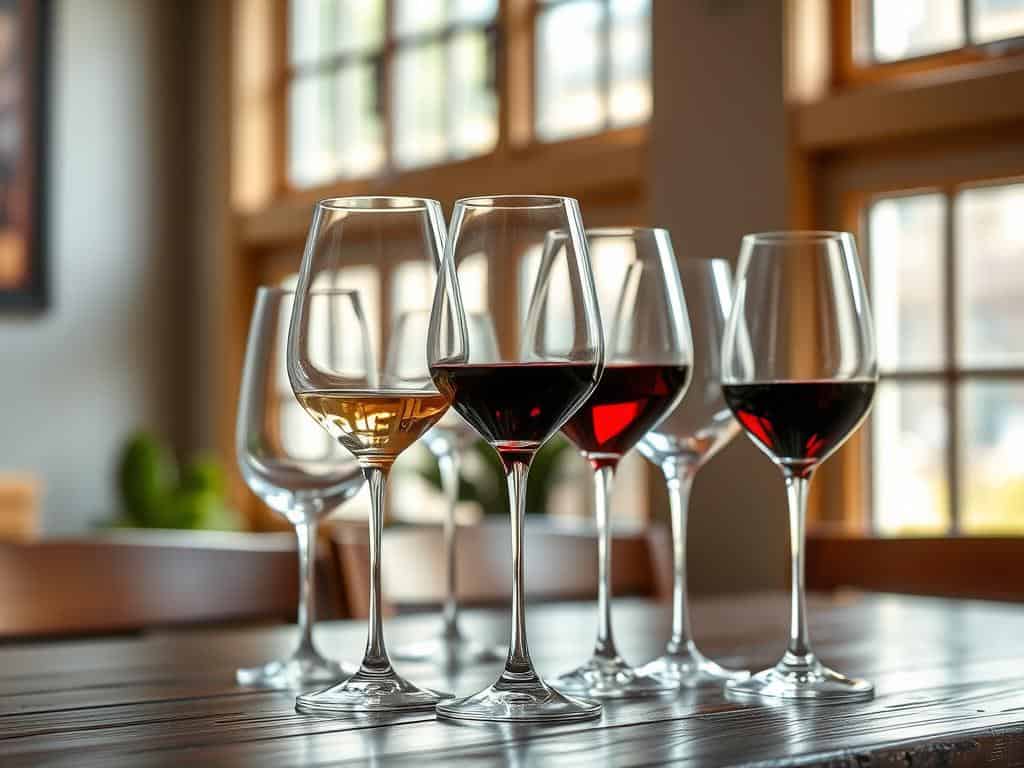
I start by looking at the wine’s color, clarity, and how thick it is. The color tells me about its age and type. For example, a 2021 Cabernet Sauvignon might lose its bright color as it gets older. But a Chardonnay can turn golden and beautiful with age.
Step 2: Swirl – Releasing Aromas
Then, I swirl the wine in my glass. This lets out the wine’s smells. I might smell fruit, flowers, or spices. It helps me understand the wine’s character.
Step 3: Smell – Identifying Aromas
After swirling, I take a deep breath. I can smell the main smells like berries and citrus. I also notice secondary smells like vanilla or oak. This helps me get a better sense of the wine.
Step 4: Sip – Exploring Flavors and Textures
When I take a sip, I let the wine touch my tongue. I notice how it starts, how it feels in the middle, and how it changes. Things like sweetness, acidity, tannins, and body are important. For example, a fruity wine feels different than an earthy one. I pay attention to all these details to fully enjoy the wine.
Step 5: Pair – Enhancing the Experience
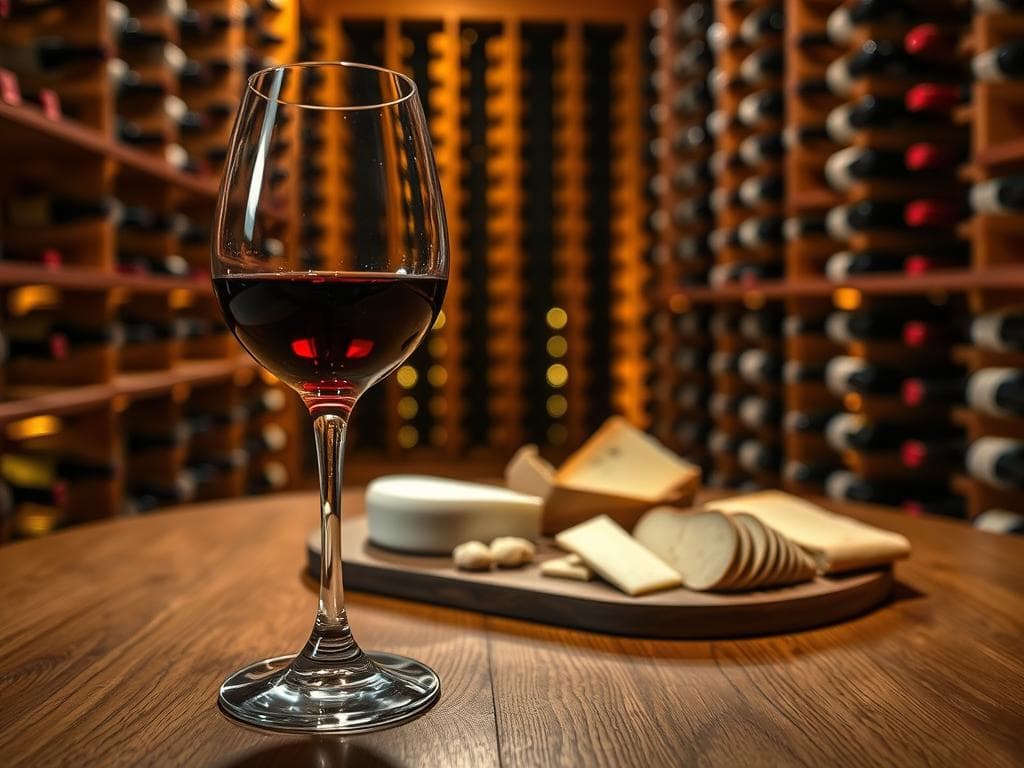
Lastly, I think about what food goes well with the wine. The right food can make the wine taste even better. It’s a key part of enjoying wine. By noting what I see, smell, and taste, I get better at tasting wine.
The Role of the Aroma Wheel in Wine Tasting
The aroma wheel is a key tool for wine lovers. It helps them understand wine smells better. It’s like a visual guide that organizes wine scents by their source.
This tool makes it easier to identify and group different wine smells. It helps in creating a detailed picture of wine flavors. This way, tasters can explore more wine smells.
Understanding Primary, Secondary, and Tertiary Aromas
Primary aromas come from the grape and its environment. They include smells like fruit, flowers, herbs, and spices.
Secondary aromas appear during fermentation. They might smell yeasty, bready, or buttery.
Tertiary aromas add complexity with age. They can smell like vanilla, smoke, dried fruits, or nuts. The aroma wheel helps sort these smells into clear categories. This makes it easier to notice and enjoy the variety of wine smells.
The Importance of Aroma in Flavor Profiling
The aroma wheel is key for understanding wine flavors. It points out good smells and can spot problems like cork taint.
Knowing these details makes tasting wine more interesting. For example, fruit smells can be citrus, berries, or tropical. Spice smells might be black pepper or cloves. The aroma wheel helps describe wine better. It makes sharing tasting experiences easier.
Conclusion
Learning to taste wine is a rewarding journey. It makes every sip more enjoyable. By following steps like sight, swirl, smell, and sip, I’ve gotten better at telling wines apart. Each tasting makes me appreciate the unique qualities of different wines more.
Learning about aromas and practicing blind tasting has improved my skills. Wine tasting is a mix of personal taste and sensory experiences. Every sip lets me explore my tastes and learn about the wine’s story.
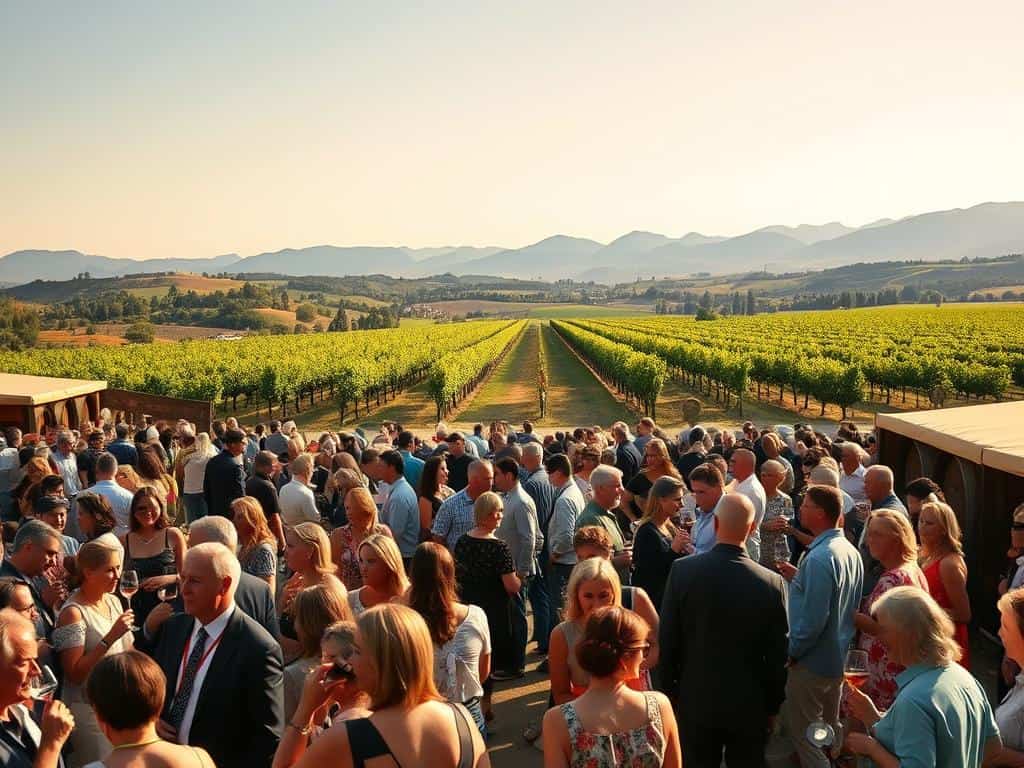
Being active in tasting, like visiting vineyards or wine bars, makes it more fun. Keeping a tasting journal helps me remember the details of each wine. I suggest starting this journey of discovery. Every glass is a chance to learn and enjoy.