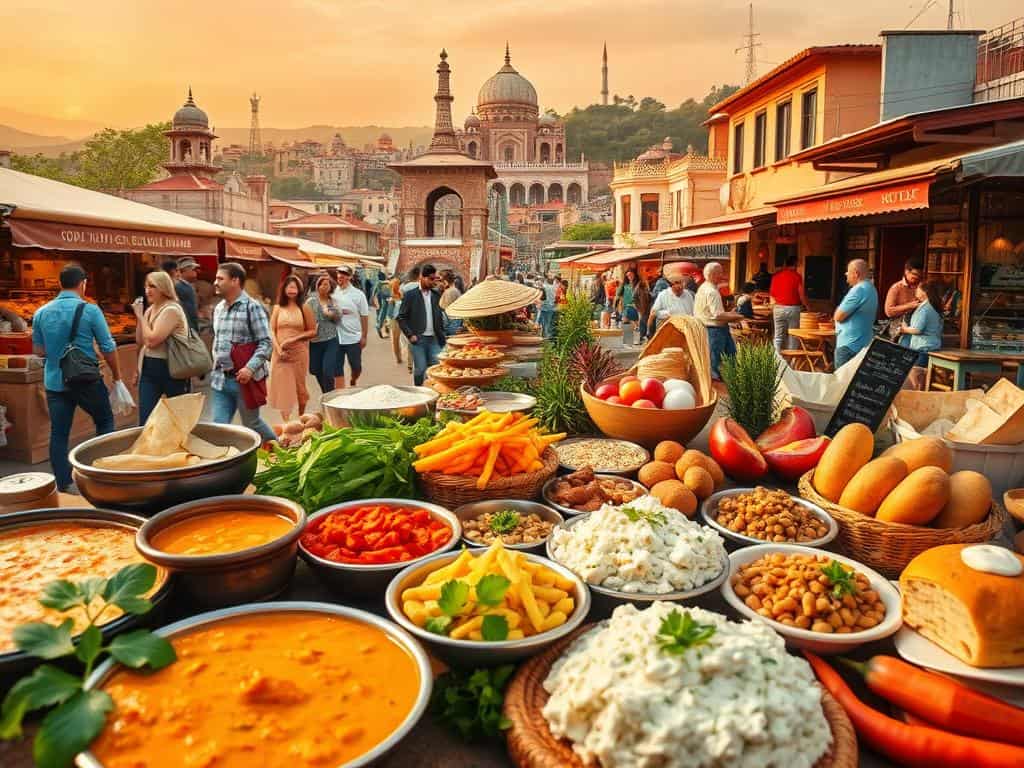
Did you know we’re born with five taste types: sweet, bitter, salty, sour, and umami? This ability is the start of our food likes and dislikes. But why do we love or hate certain foods? It’s a mix of genetics, culture, and personal experiences that shapes our taste over time.
My own food journey is filled with both happy and sad memories. These experiences often lead to dislikes. Exploring why we love or hate food shows how our tastes are shaped by our past. It’s clear that while some tastes might come naturally, most are learned, giving us a peek into our food cravings and dislikes.
Key Takeaways
- Humans have an innate taste preference for sweetness and an aversion to bitterness.
- Cultural background significantly influences individual flavor preferences.
- Food preferences can be shaped early in life, even before birth.
- Conditioned taste aversion can create lifelong dislikes based on negative experiences.
- Repeated exposure to a food can lead to a change in preference, often requiring 10-15 tries.
- Parental influence plays a vital role in shaping children’s food tastes.
The Complex Nature of Taste Preferences
Why I like some foods and not others is a mix of genetics, taste, and culture. These factors blend together to create my unique taste preferences. Often, I don’t even realize how they affect me.
The Role of Genetics in Taste
Genetics greatly influence how we taste things. For example, certain genes affect our sensitivity to bitter and sweet tastes. Some people are more sensitive to bitterness, while others aren’t as affected.
This difference can change how much we enjoy foods like Brussels sprouts or dark chocolate.
Influence of Culture and Environment
Culture also shapes our taste preferences. In some places, bitterness is valued, while in others, it’s not. These cultural views guide what we eat and can change our natural taste preferences.
Trying foods from different cultures helps me understand and appreciate various flavors. It broadens my taste horizons.
Impact of Early Exposure to Flavors
Our early life experiences, like flavors in utero and childhood, shape our taste preferences. Mothers who eat a variety of foods during pregnancy and breastfeeding influence their child’s taste buds.
Introducing kids to many flavors early on can help them develop a diverse palate. This sets the stage for a lifetime of enjoying a wide range of foods, influenced by both genetics and culture.
The Psychology of Taste
Our mind and food preferences are closely linked. This connection is key to how we enjoy different foods. It’s interesting to see how good experiences with flavors shape our likes, like linking fruit sweetness to energy.
Flavor-Nutrient Learning
Flavor-nutrient learning helps us choose foods based on our past experiences. Enjoying a nutritious dish makes us associate its taste with happiness. Our taste buds pick up on five main tastes: sweet, salty, sour, bitter, and umami. Sweet tastes make us happy, while bitter might warn us of toxins.
Taste-Flavor Associations
My love for certain flavors comes from my experiences and culture. The look and color of food can change how I expect it to taste. Repeatedly enjoying familiar flavors deepens my connection to them.
The Power of Social Learning
Family and friends greatly influence our food choices. Seeing what they eat shapes our preferences. Stress can also make us turn to certain foods for comfort. These factors show how our food likes are often rooted in childhood.

Conditioned Taste Aversion
Conditioned taste aversion is a fascinating phenomenon. It happens when people start to dislike a certain food after a bad experience. This dislike often comes from feeling sick after eating the food.
Even if it’s been a while, the brain can remember the connection. This leads to a lasting dislike for the food.
Understanding Taste Aversion
Conditioned taste aversion is a special kind of learning. It shows that one bad experience with food can be enough. No need for more times to feel the effect.
Studies show that if you eat something and then get sick, your brain links the two. This can make you avoid that food forever. It’s not just humans; animals like rats show it too.
The Role of Negative Experiences
Negative experiences with food are key in forming aversions. For example, if you eat something and then get sick, you’ll likely remember it. This memory makes you avoid that food in the future.
This dislike can last for a long time. It shows how deeply our experiences with food can affect us. Our senses and survival instincts play a big role in why we might dislike certain foods.
Long-Term Effects of Conditioned Aversions
These aversions can last a lifetime. As we grow up, the memories of certain foods can stay with us. They can change what we eat and like.
These aversions are a part of our history. They helped our ancestors avoid bad foods. Research shows that these aversions can even spread to similar foods. Understanding this can help us see why we make certain food choices.
Conclusion
Our love for food comes from many places. It’s not just about taste. It’s also about our biology, mind, and culture. Even as babies, we show a love for sweet things.
As we grow, our tastes change. We might start to like sour, salty, and bitter flavors. This shows how age can change what we enjoy eating.
Things like sound, color, and where we eat can change how we taste food. This shows how complex our food experiences are. Our personality and feelings also play a big part in how we taste things.
I hope readers think about their own food stories. Learning about taste can help us try new foods. It can make our food adventures more exciting and our taste buds happier.