Did you know the global vegan wine market hit USD 2.11 billion in 2024? It’s expected to jump to USD 5.05 billion by 2030. This growth shows more people want vegan-friendly choices, which is part of a bigger push for ethical and green living.
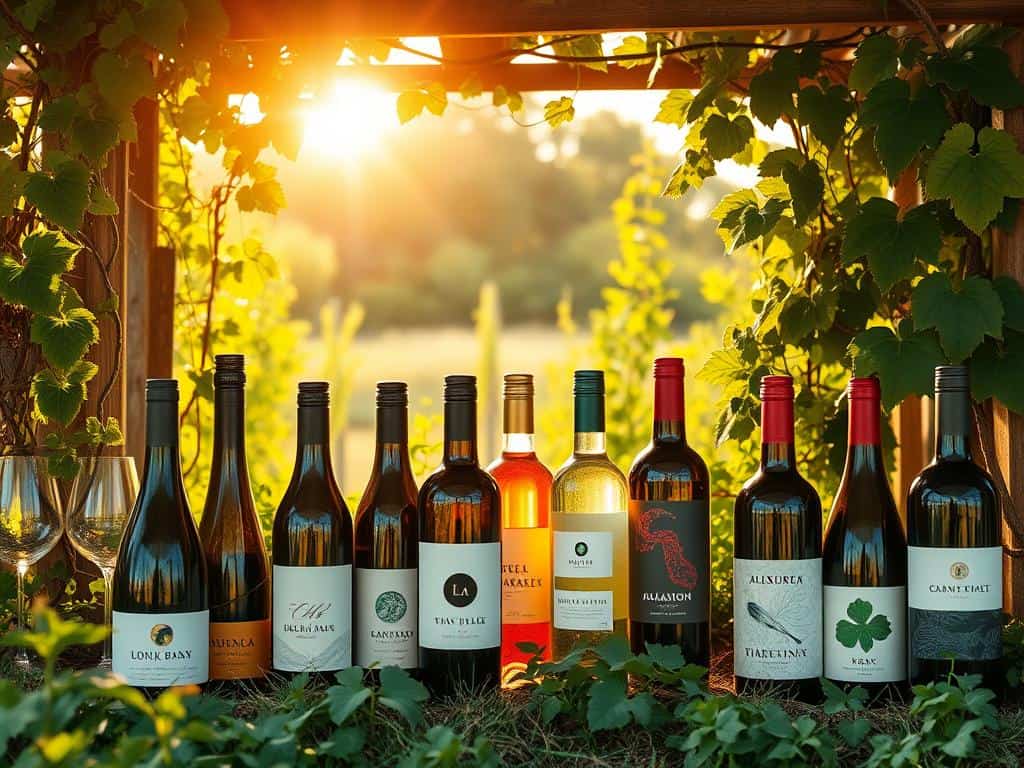
Vegan wines don’t use animal products like egg whites and casein for clarity. This makes them different from regular wines. As more people learn about their food and drink choices, the wine world is changing. It’s now focusing on being open about how wines are made.
This change is big because it meets the needs of today’s consumers. It’s about finding new ways to make wine that are better for everyone. Let’s see how this shift is changing the market.
Key Takeaways
- The vegan wine market is projected to grow significantly, reaching USD 5.05 billion by 2030.
- Vegan wines avoid all animal-derived ingredients, ensuring no exploitation of animals.
- A growing vegan population is increasing awareness and interest in vegan-friendly options.
- More than half of consumers are willing to pay a premium for sustainable products.
- Northern America leads the market due to the rise of vegan lifestyles and product availability.
- Challenges include sourcing plant-based fining agents and raising consumer awareness.
The Rise of Vegan Wine Trends
More people are choosing vegan wine because they want ethical and sustainable choices. Exploring this world, I learn about vegan wine’s unique aspects. It’s all about using plant-based fining agents instead of animal products.
Understanding Vegan Wine and Its Production
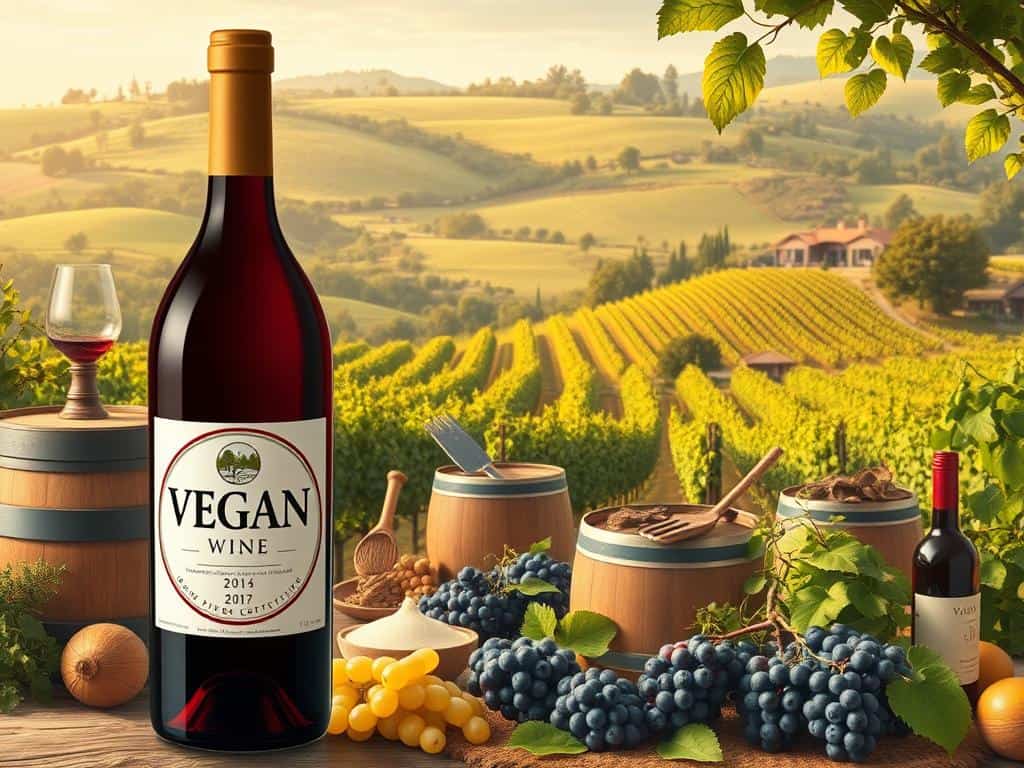
Vegan wines don’t use animal products like egg whites or gelatin. Winemakers use plant-based options like bentonite clay and pea protein. This shift supports veganism and organic winemaking.
Winemakers also focus on sustainability. They often use biodynamic methods to lessen environmental harm. This approach is great for the planet.
Key Contributors to the Growth of Vegan Wine
The demand for vegan wine is growing, thanks to health and ethical awareness. Younger people, like Millennials and Gen Z, are leading this change. They want brands that care about the environment and animal welfare.
Companies like Frey Vineyards and Moët & Chandon are listening. They offer vegan wines that appeal to health-conscious consumers. With more vegan wines winning awards, the future looks bright.
Market Dynamics and Consumer Preferences
In today’s wine market, people want to buy wine that’s made ethically and is good for their health. Many are choosing vegan wine, which is changing how we drink wine. Younger people, like Millennials and Gen Z, are leading this change towards more mindful choices.
Shifting Consumer Demographics Favoring Vegan Options
The vegan wine market is growing fast, expected to hit USD 5.05 Billion by 2030. North America is leading this growth, thanks to more vegan wines available in stores. Young people are willing to spend more on products that are good for the planet. This shows a big change in who buys wine and what they look for.
The Impact of Health and Wellness Trends on Wine Choices
More people are choosing wines that are better for their health. This is because of growing interest in wellness. They want wines with less alcohol, showing they care about their health. This trend is pushing wine brands to offer new and healthier options.
How Eco-Friendly Practices Influence Buying Decisions
Winemakers who focus on the environment are attracting more customers. Practices like organic farming and regenerative agriculture are key. Brands that are open about how they make wine are seen as better. With 54% of people willing to pay more for sustainable products, eco-friendly winemaking is becoming more popular.
Conclusion
The future of vegan wine looks bright by 2025. This trend is more than just a passing fancy. It shows a big change in what people want: products that are good for the planet and animals.
As someone who loves wine, I’ve seen more wineries going green. They use organic methods that help nature and cut down on pollution. This meets the growing need for wines that match our values.
The sustainable wine world is changing fast. Leaders like Frey Vineyards and Bonterra Vineyards are at the forefront. They use organic farming and green energy, making their wines more genuine.
Experts think the vegan wine market will grow a lot. Wineries that are open and eco-friendly will attract more people. This way, they can connect with customers who care about the planet.
To stay ahead, wine makers need to keep improving and share their vegan choices well. Focusing on being green, tasting great, and being kind to animals will shape the future of wine. This approach will make wine better for us and the planet, helping the industry grow strong and sustainable.