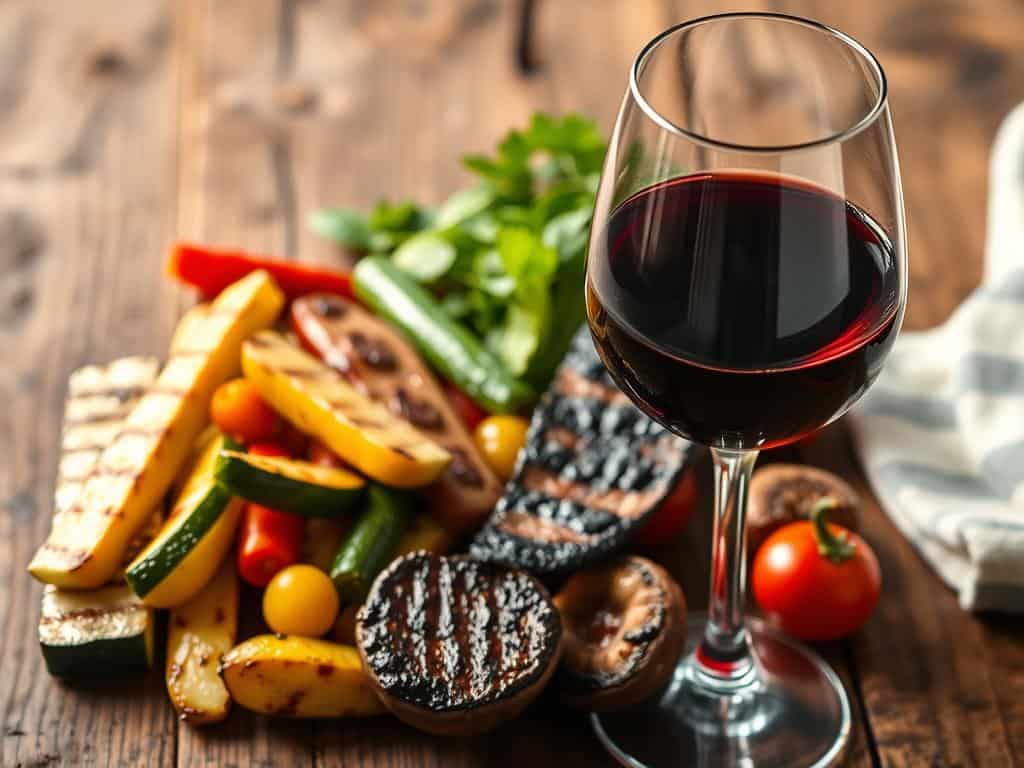
Did you know nearly 70% of home cooks make mistakes with wine in cooking? Wine can make your dishes better, but it has its own rules. Choosing the right wine is key to great flavor in your food. I’ve learned this from managing kitchens and cooking at home.
This guide will show you the do’s and don’ts of cooking with wine. It will help you make your dishes better and avoid mistakes.
Key Takeaways
- Choose the right type of wine for your dish; light wines for delicate flavors and bold wines for hearty meals.
- Avoid low-quality “cooking wine” to ensure your dish’s integrity.
- Use wine that you enjoy drinking as its quality impacts the dish.
- Be mindful of expiration dates to prevent unpleasant flavors.
- Consider the wine’s acidity and sweetness to achieve a balanced flavor.
- Always taste your dish as you add wine to avoid overpowering other ingredients.
The Importance of Choosing the Right Wine
Choosing the right wine is key to making your dishes better. Different wines add unique flavors that can really make your food stand out. Knowing how these differences work is important for cooking well.
Understanding Wine Varieties
Choosing a wine that matches your dish is important. Sweet wines add sweetness, while dry wines enhance savory flavors. Whites are great with chicken or fish, and reds pair well with meat.
The wine’s acidity is also important. High acidity can make tart flavors stronger during cooking.
Quality Matters
Using a wine you like drinking makes your dishes better. Cheap “cooking wines” can have additives that ruin your recipe. But, expensive wines lose their flavor when heated.
Instead, choose a good quality, dry red or white wine. It adds balanced flavors that make your dish taste better. Boxed wines are also good for cooking, with flavors that last. By focusing on the style, not the brand, your cooking stays tasty and enjoyable.
Key Do’s & Don’ts of Cooking with Wine
When cooking with wine, knowing the do’s and don’ts is key. It helps bring out the best flavors in your dishes. Here’s a guide on how to use wine in your recipes.
Do Use Wine in Place of Water
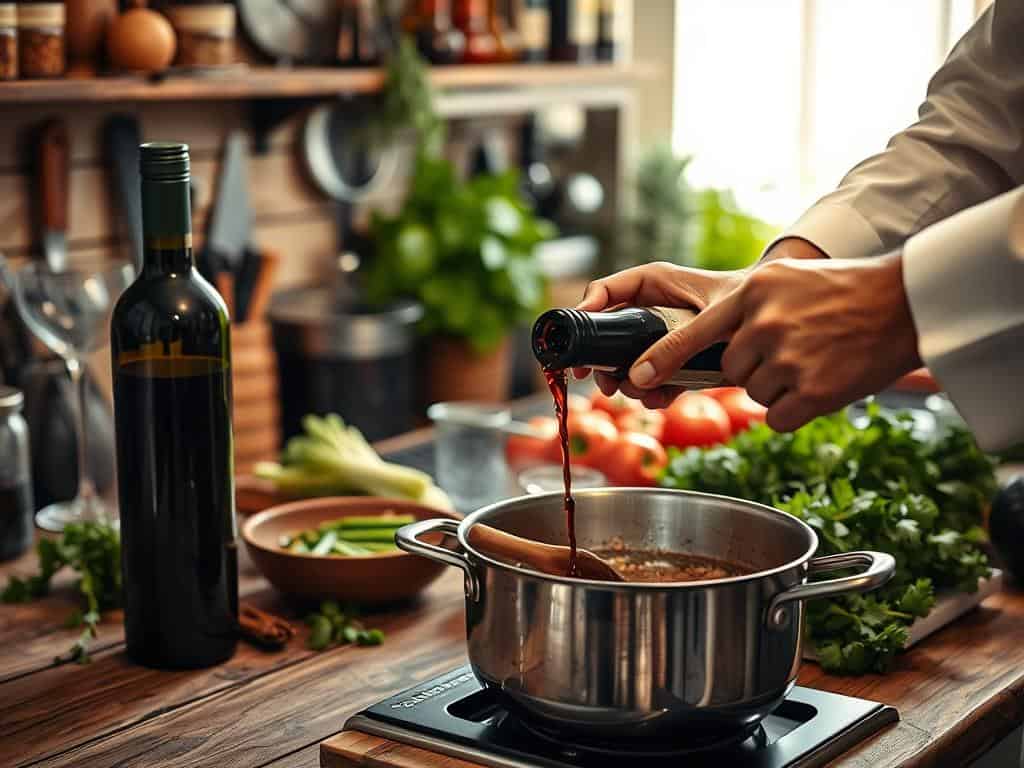
Using wine instead of water can make flavors pop. I use red wine for stews and braises, which work well with tough meats and veggies. White wine is great for chicken, fish, and seafood, adding a bright taste.
Choose a wine you’d drink to ensure a balanced flavor in your cooking.
Don’t Overdo It with Quantity
Don’t add too much wine to your dishes. Too much can make them taste boozy. Start with a small amount, then adjust to taste.
This keeps your dish balanced and flavorful without overpowering it.
Do Allow Wine to Cook Off
It’s important to let wine cook off to get the right flavor. This removes the alcohol, making the dish balanced. Letting it simmer helps it blend well with other ingredients.
Don’t Use Expired Wine
Expired wine is a big no-no. Always check the quality before using it. Cheap wine can make dishes taste bad.
Choose a drinkable wine to keep your dishes flavorful.
Do Consider Acidity
Wine’s acidity is key in cooking. It tenderizes and enhances flavors. White wine adds a fresh taste to chicken and seafood, while red wine goes well with beef.
Adjusting acidity can make your dish more appealing.
Don’t Skip the Wine
If a recipe calls for wine, use it. Skipping it can change the dish’s taste, which is a big deal in sauce recipes. Sticking to the recipe is best.
Conclusion
Adding wine to my cooking has really improved my dishes. I’ve learned to pick the right wine for each recipe. Whether it’s a bold red for stews or a fresh white for seafood, it makes a big difference.
It’s important to use a wine you’d enjoy drinking. Using a bad wine can ruin a dish. I treat wine like a spice, adding just the right amount. This way, the wine enhances the flavor without taking over.
Using wine in cooking is more than just following recipes. It’s about trying new things and seeing what works. With the right techniques, every dish I make becomes special.