Did you know that nearly 70% of home cooks admit to under-seasoning their meals? This mistake can make a delicious dish taste bland. Learning to season food well is key for any home chef. It can take your cooking from good to great.
In this article, I’ll share tips on seasoning that will help you balance flavors. Whether you’re cooking for guests or just for yourself, these techniques will make your meals unforgettable. Every bite will be a delight.
Key Takeaways
- Utilize kosher salt for its ideal coarseness; it’s essential for flavor.
- Season water with salt to ensure pasta, potatoes, and vegetables are infused with flavor from the inside out.
- Freshly ground whole spices provide maximum flavor and potency, so invest in a good pepper mill.
- Cook spices in fat early to unlock their full flavors, specially with hard herbs.
- Incorporate acidic elements like lemon and vinegar to brighten dishes and balance flavors.
- Taste your food as you cook to make necessary adjustments in seasoning.
Understanding the Importance of Seasoning
Seasoning makes food enjoyable. It uses sweet, salty, sour, and bitter flavors. Salt is key for flavor enhancement.
How Salt Enhances Flavor
Salt adds taste and boosts food flavors. I sprinkle salt while cooking and taste often. This way, all flavors balance well.
The Role of Fat in Cooking
Fats like olive oil and butter are vital. They carry flavors well and improve dish texture. I sauté with them for rich flavors.
Using Acids for Brightness
Acids like vinegar and citrus juices add brightness. I add a tablespoon or two at the end. This balance makes dishes appealing.
Essential Food Seasoning Tips
Learning to season food right can make any dish taste better. I’ve learned the key is using salt well, picking the best herbs and spices, and cooking with alcohol. Here are some top tips for seasoning food that I’ve found really helpful.
Learn to Use Salt, Early and Often
Salt is the base for adding flavor. Adding salt early lets it soak into the food, bringing out its taste. I use sea salt or Kosher salt on meats because of their texture. This makes even plain dishes taste great.
Choosing the Right Herbs and Spices
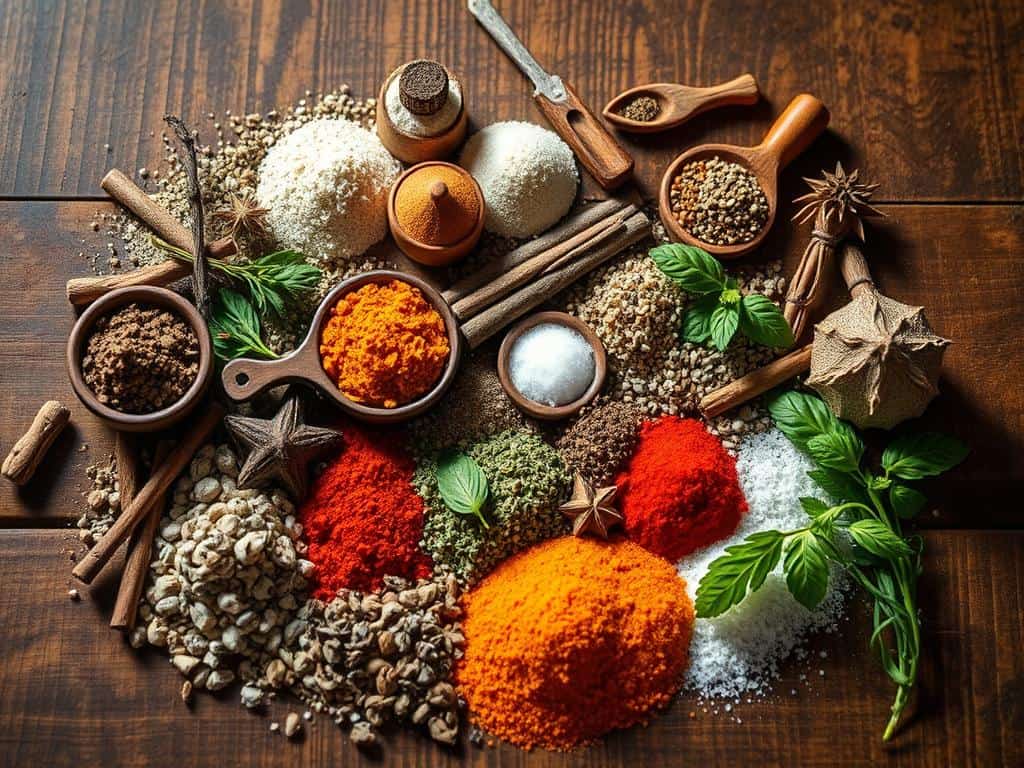
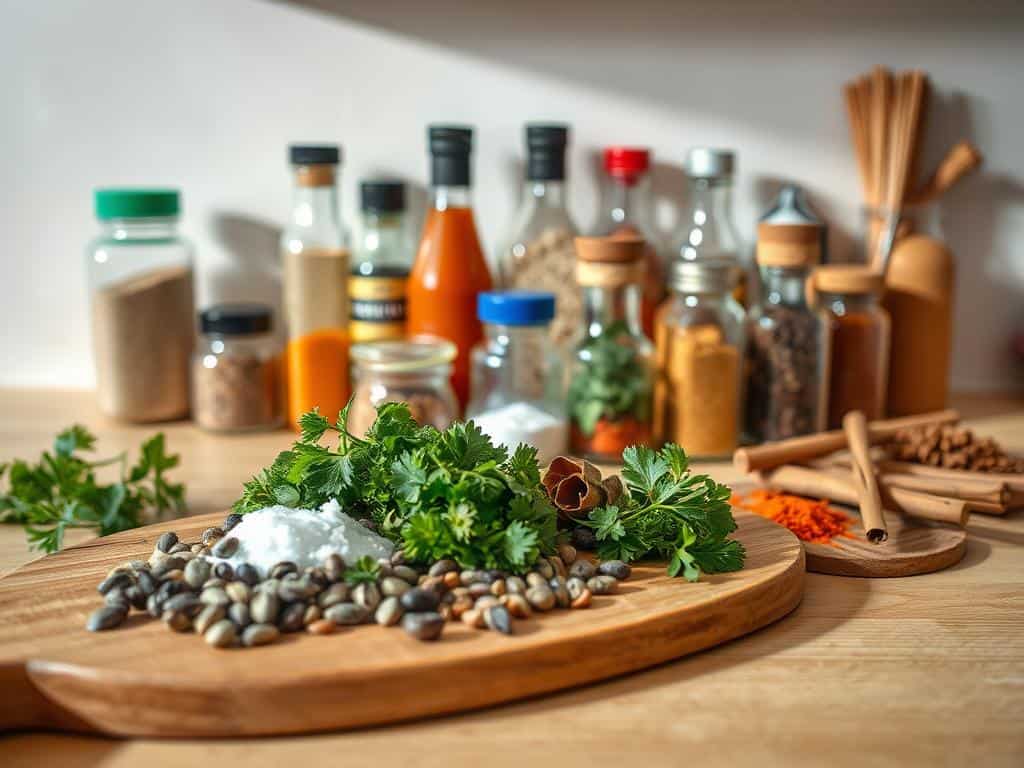
Choosing the right herbs and spices is key to great meals. I keep spices in a cool, dark spot to keep their flavor. Whole spices like cumin and coriander last longer than ground ones. Spices like smoked paprika and chili powder add special touches to my dishes.
Toasting whole spices before using them makes them taste even better. It brings out their aroma and flavor.
Experimenting with Alcohol in Cooking
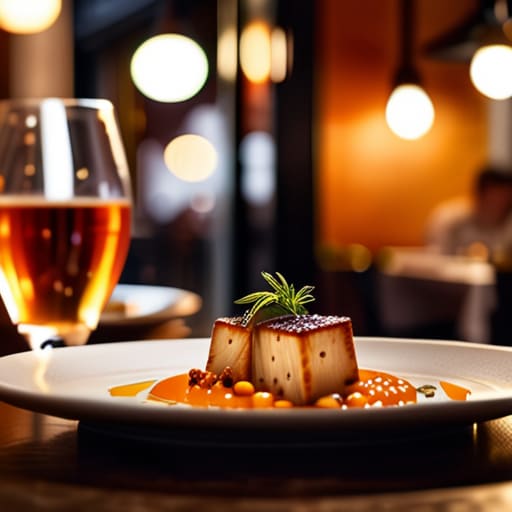
Cooking with alcohol is a favorite technique of mine. It adds a richness to dishes that makes them memorable. Whether it’s a sauce with white wine or meat in beer, the results are amazing. It brings out new flavors, making my meals stand out. Just remember to use alcohol in moderation for the best taste.
Building Flavor with Techniques
Mastering flavor techniques opens up a world of culinary creativity and tasty meals. The Maillard reaction is key, happening when proteins and sugars brown under high heat. It’s essential for complex flavors in seared meats and roasted veggies.
The Maillard Reaction: Browning Food for Taste
The Maillard reaction makes food look good and taste even better. By using high heat, I boost the flavor of dishes like seared steaks and roasted carrots. It’s not just about looks; it also adds a deep umami flavor that makes food taste amazing.
Utilizing the Fond for Sauces
The fond, those brown bits in the pan, is a goldmine for sauces. I deglaze the pan with stock or wine, scraping up the fond for extra flavor. This simple trick turns basic sauces into rich, flavorful sides that make any meal better.
Fresh Herbs vs. Dried: Making the Right Choice
Choosing between fresh and dried herbs can change a dish’s flavor a lot. Fresh herbs bring a bright, aromatic taste, perfect for finishing dishes or salads. Dried herbs, on the other hand, pack a punch of flavor for slow-cooked meals. Mixing both lets me create dishes with bold, balanced flavors.
Conclusion
Mastering seasoning is key to making your dishes taste better. I’ve learned that salt, fat, and acid are important. Using fresh pepper and tasting as you cook helps a lot.
Adding dried herbs early lets their flavors grow. A squeeze of lemon juice adds freshness to many dishes. This has taught me to use fresh ingredients and avoid stale spices.
These tips have made my cooking stand out. I’m always looking to improve my seasoning skills. I’m excited to see how they will make my dishes even better.