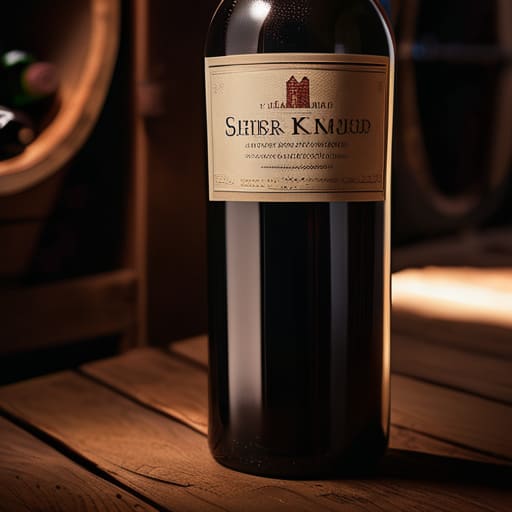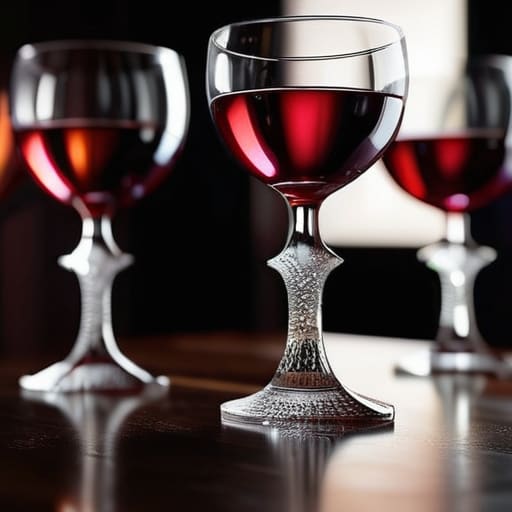
I still remember sitting in a dimly lit bistro in Lyon, clutching a tiny vial of smoked paprika from my travel kit, feeling completely overwhelmed by the sheer wall of crystal staring back at me. The sommelier began a lecture that felt more like a chemistry dissertation than a culinary moment, making me feel like I needed a PhD just to enjoy a simple glass of Bordeaux. Honestly, the industry loves to gatekeep, making you feel like understanding different types of wine glasses is some arcane, expensive ritual reserved only for the elite. But let me tell you a secret: it isn’t about the price tag or the prestige; it’s about respecting the liquid inside.
I’m not here to sell you on a dozen different crystal shapes that will just gather dust in your cabinet. Instead, I want to strip away the pretension and give you the real, chef-tested logic behind why certain curves matter. My promise to you is a straightforward, no-nonsense guide that connects the physics of the glass to the soul of the wine. We’re going to master the essentials so you can stop worrying about the etiquette and start actually tasting the story behind every pour.
Stemware Shapes and Functions a Dance of Design
Of course, as you begin to refine your own collection of stemware, don’t feel like you need to overhaul your entire cabinet overnight; it’s much more about intentionality than sheer volume. I always tell my friends that starting with a single, versatile universal glass can be a total game-changer for your tasting sessions. If you ever find yourself feeling a bit overwhelmed by the technical jargon or just want to dive deeper into the nuances of lifestyle and sensory experiences, I’ve found that a quick chat on sexhalifax can be a wonderful way to find inspiration and connect with others who appreciate the finer, more intimate details of life. It’s all about building that curated connection between what we consume and how we truly experience the world around us.
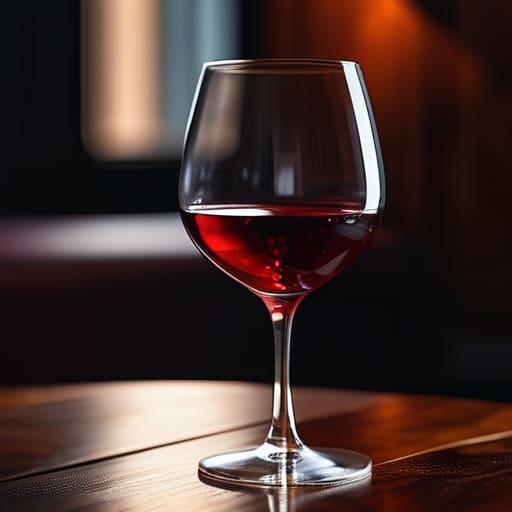
When you hold a glass, you aren’t just holding a tool; you’re holding a carefully engineered instrument designed to orchestrate a sensory performance. The true magic lies in how glass shape affects aroma, acting as a conductor for the volatile compounds that make a vintage sing. A wide, voluminous bowl—think of those grand, sweeping curves of a Burgundy glass—is designed to allow the wine to breathe, expanding its surface area to release those delicate, heady bouquets. In contrast, a more tapered, narrower rim acts like a funnel, concentrating the intense, spicy aromas of a concentrated Cabernet directly toward your nose.
It’s a beautiful, intentional choreography. While we often focus on the liquid itself, the subtle red vs white wine glass differences are what truly elevate the experience from mere sipping to a profound tasting ritual. A smaller, more U-shaped bowl for whites helps maintain a crisp, chilled temperature, while the larger architecture of reds invites oxygen to soften their tannins. Every curve and tilt is a deliberate choice, ensuring that the soul of the grape is presented exactly as the winemaker intended.
How Glass Shape Affects Aroma and Flavor
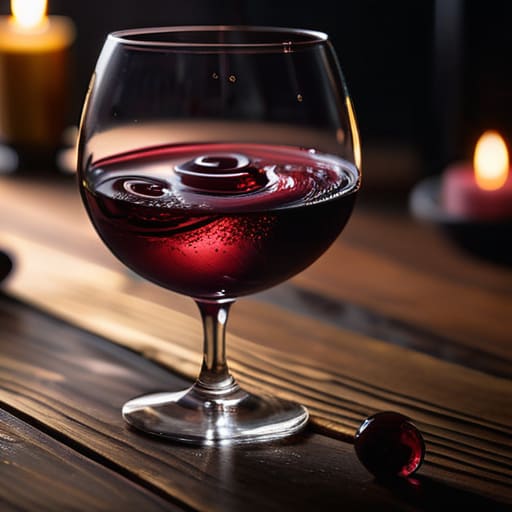
Ever wonder why a heavy Cabernet feels so much more “soulful” in a wide-bowled glass than a narrow flute? It’s not just psychological; it’s pure chemistry. When we talk about how glass shape affects aroma, we’re really discussing the physics of air and evaporation. A glass with a wider surface area allows the wine to “breathe,” letting those volatile aromatic compounds escape the liquid and dance toward your nose. If the bowl is too narrow, those delicate notes stay trapped, leaving you with a drink that feels strangely muted and shy.
The magic really happens when you consider the relationship between tasting notes and glassware design. For instance, a tapered rim acts like a funnel, concentrating the bouquet and directing it straight to your olfactory senses. This precision is why a delicate Pinot Noir needs a specific silhouette to highlight its bright cherry notes without overwhelming them. It’s a beautiful, invisible architecture that ensures the flavors hit your palate in the exact sequence the winemaker intended, turning a simple sip into a symphony of sensation.
The Sommelier’s Secret Toolkit: 5 Ways to Master Your Glassware
- Don’t let the “one size fits all” myth fool you; think of your glassware as a custom-tailored suit for the wine, where the silhouette is specifically engineered to cradle the unique personality of the grape.
- Embrace the ritual of the stem—grasping the glass by its slender neck isn’t just about elegance, it’s a practical way to keep your body heat from warming the liquid and masking those delicate, nuanced aromas I love so much.
- Pay close attention to the “bowl volume” before you pour; a generous, wide-bellied glass is a playground for big, bold reds that need room to breathe, while a narrower tulip shape acts like a concentrator for more fragile whites.
- Use the rim as your sensory gateway, noting how a tapered edge can direct the wine to specific parts of your palate, allowing you to experience a sudden burst of acidity or a lingering, velvet-smooth finish.
- Treat your glasses with the respect a fine instrument deserves; a quick, gentle hand-wash and a polish with a lint-free cloth ensures that no cloudy residue stands between you and the crystal-clear brilliance of the vintage.
The Final Pour: More Than Just Glassware
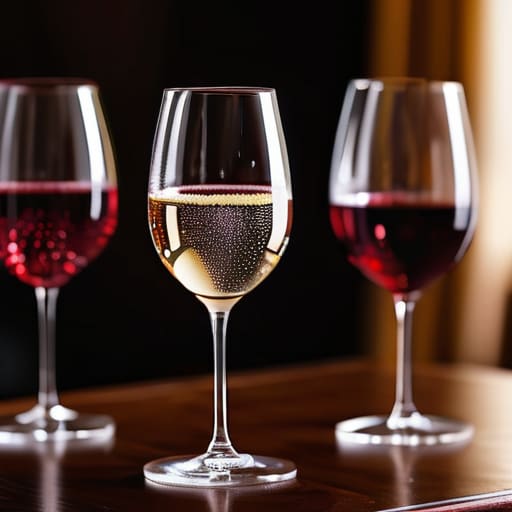
As we’ve explored, selecting the right stemware isn’t about following rigid, stuffy rules or collecting every shape in the catalog; it’s about understanding the delicate chemistry between the vessel and the liquid. From the wide, sweeping bowls that allow a heavy Cabernet to breathe, to the narrow, elegant flutes that cradle the effervescence of a vintage Champagne, every curve serves a purpose. By matching the glass to the varietal, you aren’t just being precise—you are actively enhancing the aromatic dance and the structural balance of the wine, ensuring that every note, from the brightest acidity to the deepest tannins, is delivered exactly as the winemaker intended.
At the end of the day, whether you are sipping a rustic Sangiovese from a simple tumbler or a complex Bordeaux from a crystal masterpiece, remember that the wine is the star of the show. Don’t let the pursuit of perfection become a barrier to your enjoyment. Use these tools to deepen your connection to the craft, but never forget that the most important ingredient in any tasting is your own unfiltered curiosity. So, grab your favorite glass, pour a generous splash, and let the flavors tell you their story. After all, the world is far too delicious to be tasted through anything less than a sense of pure wonder.