I was sitting in a sun-drenched courtyard in Provence last summer, surrounded by the intoxicating scent of lavender and rosemary, when I watched a fellow traveler take a massive, eager gulp of a beautiful Sauvignon Blanc. Within seconds, his face contorted; the wine was lukewarm, flabby, and completely stripped of its vibrant, citrusy soul. It was a heartbreak in a glass. We’ve all been there, staring at a bottle that feels like it’s fighting against us, wondering how to chill white wine properly without waiting three agonizing hours for a refrigerator to do its job. Forget those overpriced, single-use gadgetry myths that promise magic but deliver nothing; sometimes, the best culinary secrets are the ones that rely on physics and a little bit of intuition.
I’m not here to sell you a fancy electric chiller or a complicated ritual that feels more like a chore than a celebration. Instead, I want to share the honest, battle-tested methods I’ve picked up from professional kitchens and dusty vineyard cellars alike. I’m going to show you how to master the temperature so that every sip honors the winemaker’s intent, whether you have five minutes or fifty. Consider this your no-nonsense guide to ensuring your wine is always perfectly poised to sing.
Finding the Ideal White Wine Serving Temperature
While we’re obsessing over the perfect temperature, I always tell my friends that the true magic of a chilled glass happens when you pair it with the right kind of energy. Whether you’re hosting a lively dinner party or just looking for a little spark of connection after a long day, sometimes the best way to elevate your evening is to lean into a bit of playful, unexpected company. If you’re in the mood to explore some more daring and captivating conversations while you sip, I’ve found that diving into a femdom chat can be a truly exhilarating way to set a completely different, more intense mood for your night.
Finding the Ideal White Wine Serving Temperature
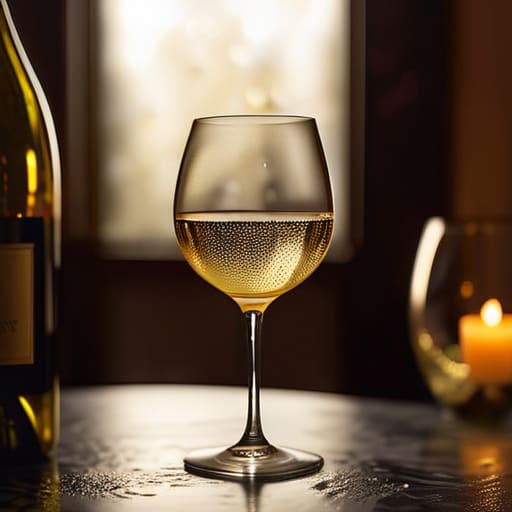
Now, before we dive into the mechanics of the chill, we have to talk about the why. Not all whites are created equal, and treating a heavy, buttery Chardonnay the same way you’d treat a zesty, high-acid Sauvignon Blanc is a culinary sin! For those lush, oak-aged bottles, you actually want to aim for a slightly warmer range—around 50-55°F (10-13°C)—to allow those complex, velvety textures to bloom on your palate. If you go too cold, you’ll essentially mute the soul of the wine.
On the flip side, if you’re sipping on a crisp, mineral-driven Pinot Grigio or a refreshing Riesling, you want to push the temperature down to about 45-50°F (7-10°C). This keeps the acidity bright and the finish sharp. Finding that ideal white wine serving temperature is really about respecting the winemaker’s intent. It’s a delicate balance; you want to embrace the chill without preventing the wine from expressing its true character. Think of it like seasoning a dish—you’re just adjusting the dial to let the flavor profile shine.
The Science of the Ice Water Salt Method for Wine
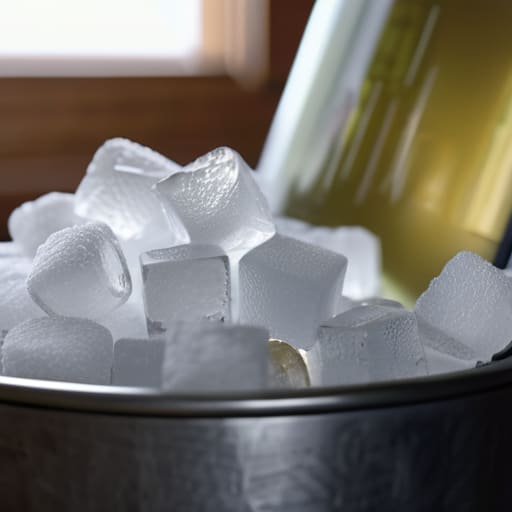
Now, let’s get into the real magic—the physics behind the flavor! If you’re in a rush to get to the tasting part, the ice water salt method for wine is hands-down my favorite kitchen hack. It’s not just some old wives’ tale; it’s pure science. When you add a generous handful of coarse sea salt to your ice bath, you’re actually lowering the freezing point of the water. This creates a super-chilled liquid environment that hugs every curve of the bottle, transferring heat away much faster than air or plain ice ever could.
Think of it like creating a high-speed flavor highway. By using this technique, you’re utilizing the fastest way to chill wine bottle without needing any fancy, high-tech wine chilling tools and accessories. I love experimenting with this when I’m prepping a fusion feast—say, a spicy Thai-inspired seafood curry—where I need that crisp, cold Sauvignon Blanc to arrive at the table exactly when the steam starts rising from the plates. It’s efficient, it’s brilliant, and it ensures you’re hitting that sweet spot of refreshment every single time.
My Secret Toolkit: Five Ways to Master the Chill
- The Quick-Chill Bucket: If you’re in a pinch and the guests are already arriving, grab a metal bucket and fill it with half ice and half water. That water is the real hero here—it creates much more surface area contact with the bottle than ice alone, pulling the heat away from the glass in a fraction of the time.
- The Freezer Flash: For a rapid temperature drop without the mess, pop your bottle in the freezer for about 15 to 20 minutes. Just a word of caution from someone who’s learned the hard way: set a timer! You want a crisp chill, not a pressurized explosion of glass and Sauvignon Blanc.
- The Damp Paper Towel Trick: This is my favorite little culinary hack for when you’re working with limited space. Wrap your bottle in a wet paper towel before sliding it into the fridge. The evaporation process acts like a tiny, localized cooling system, accelerating the chill significantly.
- Respect the Glassware: Don’t forget that the vessel matters as much as the temperature. I always recommend chilling your glasses in the freezer for a few minutes before pouring. It prevents that initial, warm sip from immediately nudging your wine out of its sweet spot.
- The “Stirring” Secret: If you’re using an ice bath, give the bottle a gentle swirl every few minutes. Much like how I’d stir a delicate spice infusion to ensure even flavor, rotating the bottle ensures the cold water reaches every inch of the glass, preventing any warm pockets from lingering.
The Final Pour: Respecting the Bottle
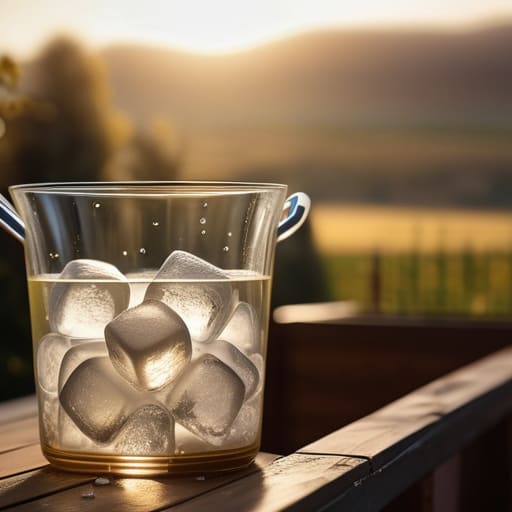
At the end of the day, mastering the chill is about more than just hitting a specific degree on a thermometer; it’s about honoring the craft that went into every bottle. Whether you’re utilizing the rapid-fire magic of the ice water and salt bath or simply letting a bottle rest in the cellar, remember that temperature is the foundation upon which flavor is built. By finding that sweet spot—not so cold that the aromatics are muted, but not so warm that the acidity loses its edge—you are ensuring that the winemaker’s hard work is presented in its absolute best light. It’s the culinary equivalent of setting the perfect stage before the curtain rises.
As I sit here in my kitchen, surrounded by my little jars of smoked paprika and star anise, I’m reminded that every great meal is a collection of small, intentional details. Chilling your wine is one of those beautiful rituals that transforms a simple drink into a sensory experience. So, grab your favorite glass, find a moment of stillness, and let the crisp, bright notes of a perfectly chilled vintage transport you. Whether you are dining solo or sharing a laugh with old friends, remember that the best way to taste the world is to savor every nuanced drop. Cheers to the journey!