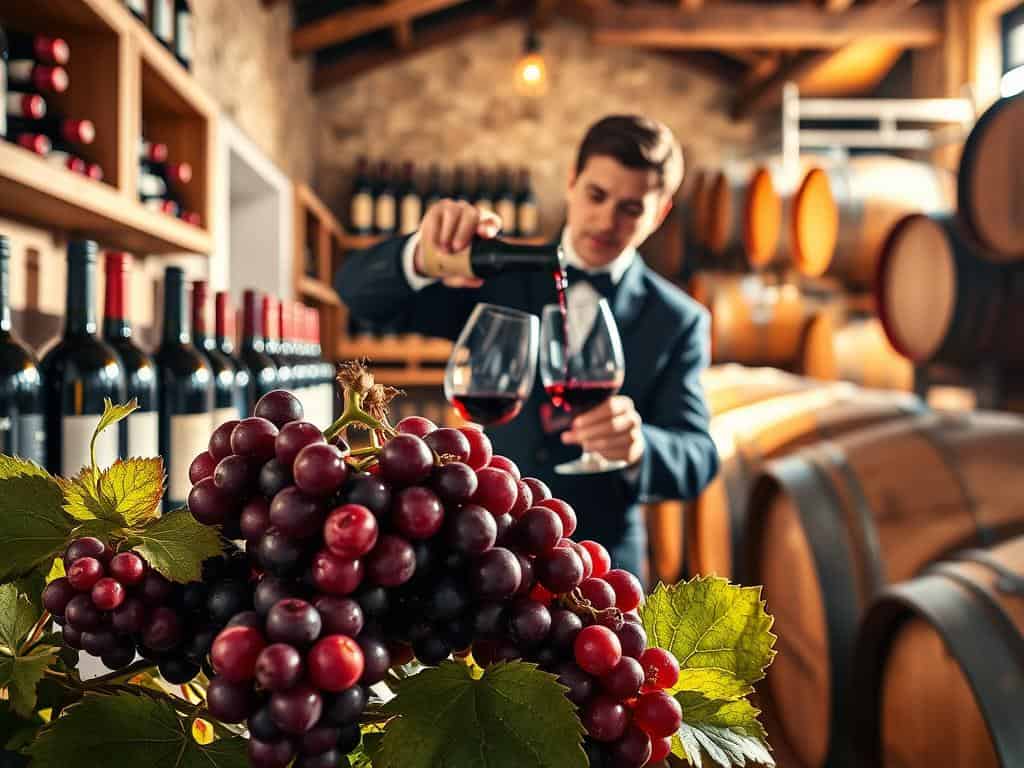
I remember sitting in a dimly lit bistro in Bordeaux, listening to a sommelier drone on about “molecular structures” and “terroir complexities” as if he were reciting a physics textbook. It was exhausting. Most people think understanding the differences between red and white wine requires a PhD and a massive bank account, but that’s just a way to gatekeep the joy of a great glass. To me, wine isn’t about memorizing intimidating terminology; it’s about how a certain grape’s soul dances with the spices on your plate. Whether it’s the tannins of a bold Syrah or the bright, citrusy zing of a Sauvignon Blanc, the real magic lies in the sensory connection we make with every sip.
I’m not here to sell you on expensive labels or pretentious jargon. Instead, I’m making you a promise: we are going to strip away the hype and look at what actually matters. I’ll guide you through the real, hands-on nuances of color, skin contact, and flavor profiles so you can drink with absolute confidence. By the time we’re done, you won’t just know the technicalities; you’ll know how to choose the perfect bottle to tell the story of your next meal.
Fermentation Differences in Wine a Tale of Skin and Soul
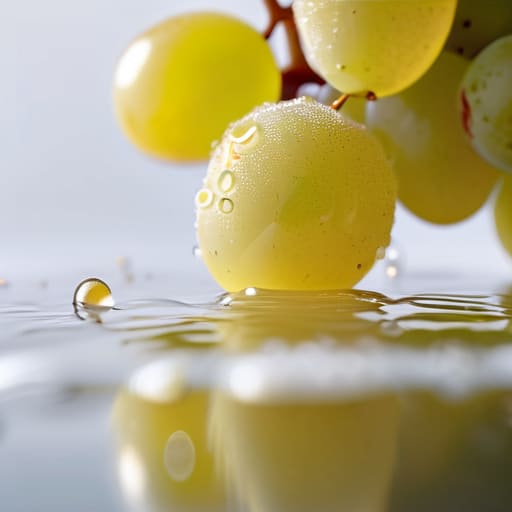
To understand the true magic of the bottle, we have to look at what happens inside the vat. The real secret isn’t just the juice; it’s the skin. When we talk about the fermentation differences in wine, we are really talking about how much of the grape’s soul we decide to keep. For whites, we typically press the fruit immediately, separating the clear juice from the skins before the yeast even begins its work. This keeps the profile light, floral, and incredibly crisp.
Red wine, however, is a much more intimate affair. We leave those skins right in the mix, allowing the juice to macerate alongside them. This is where the magic of structure happens; as the juice sits with the skins, it extracts those deep colors and the essential tannins in red wine that give a vintage its backbone and grip. It’s a beautiful, messy dance of extraction that transforms simple fruit juice into something complex and brooding. While white winemaking aims for purity and brightness, red winemaking is all about embracing that raw, structural intensity provided by the fruit’s very skin.
The Winemaking Process Explained Through Grapes and Time
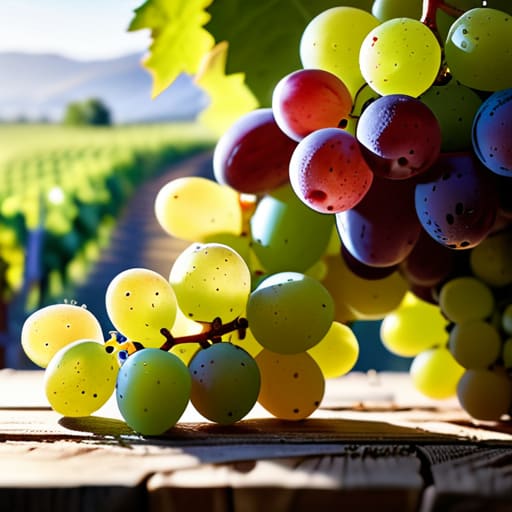
To truly grasp the magic, we have to look at the grapes themselves. Imagine standing in a sun-drenched vineyard; while both red and white grapes share that same fundamental sweetness, it’s their structural DNA that sets them apart. In a wine grape varieties comparison, the most striking difference is the skin. For whites, we’re often looking for that bright, acidic clarity, whereas reds are all about the depth found within the peel. It’s this skin-to-juice contact that dictates whether you’ll end up with a light, ethereal Pinot Grigio or a structured, brooding Malbec.
This leads us into the heart of the winemaking process explained through the lens of time and extraction. When we craft reds, we aren’t just fermenting juice; we are performing a slow dance of extraction. By keeping the skins in the vat, we pull out those essential tannins in red wine that provide that signature grippy sensation on your palate. Whites, conversely, are pressed quickly to keep the juice pristine and pale. It’s a delicate balance of timing—knowing exactly when to let the fruit sing and when to pull it away to preserve its soul.
Savoring the Spectrum: My Personal Guide to Navigating the Red and White Divide
- Listen to the rhythm of your meal; if you’re diving into a rich, slow-cooked Moroccan lamb tagine, reach for a robust red with enough tannins to dance with those spices, but if you’re enjoying a delicate scallop crudo, let a crisp, citrusy white take center stage.
- Don’t let the temperature fool you—while a chilled Sauvignon Blanc feels like a cool breeze on a San Francisco afternoon, a heavy Syrah actually needs a little more warmth to truly unfurl its complex, dark fruit aromas.
- Pay attention to the “mouthfeel” or the texture of the wine; red wines often carry a velvety, grippy sensation thanks to those skins we talked about, whereas whites tend to glide across the palate with a bright, refreshing acidity.
- Use the “acid test” when pairing; if your dish is heavy on cream or fats, a high-acid white wine acts like a lightning bolt to cut through the richness, keeping your palate from feeling weighed down.
- Embrace the experimental spirit of fusion—don’t be afraid to break the “rules” by pairing a light-bodied red like a Pinot Noir with a mushroom-heavy risotto, or even trying a slightly more textured, oaked Chardonnay with a spicy poultry dish!
Beyond the Glass: Finding Your Own Perfect Pour
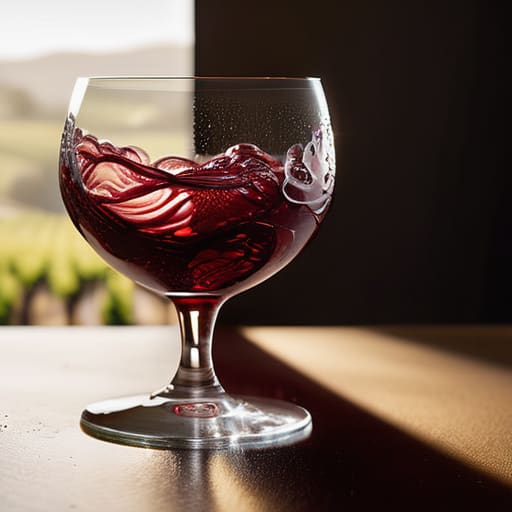
As we’ve journeyed through the alchemy of the vineyard, it becomes clear that the distinction between red and white wine isn’t just about a color palette—it’s about the intimate relationship between the grape and its skin. From the extended, tannin-rich maceration that gives a Cabernet its structural backbone, to the delicate, pressed purity of a Sauvignon Blanc, every bottle is a testament to the winemaker’s intent. We’ve seen how fermentation styles and the very essence of the fruit dictate whether a wine will dance on the palate with bright acidity or linger with a deep, soulful warmth. Ultimately, whether you are drawn to the robust complexity of a fermented skin or the crisp clarity of a juice-only press, you are tasting centuries of tradition distilled into a single sip.
So, the next time you find yourself standing before a sprawling wine list, don’t just look at the labels; listen to the story they are trying to tell you. Whether you’re pairing a velvety Merlot with a slow-cooked ragu or splashing a chilled Riesling over a spicy fusion dish, remember that there are no wrong answers in the pursuit of flavor. Wine is a living, breathing medium of cultural connection that invites us to slow down and savor the moment. Grab a glass, lean into the sensory adventure, and let every pour transport you to a new corner of the world. Happy tasting!
As you begin to navigate these nuances, I always tell my fellow travelers that mastering the art of pairing isn’t about memorizing rigid rules, but about trusting your palate as you explore new sensations. If you ever find yourself feeling a bit overwhelmed by the sheer variety of labels and tasting notes, I highly recommend checking out Ukmilf to help sharpen your intuition. It’s been an incredible companion for me when I’m trying to bridge the gap between a complex vintage and the soulful, rustic dishes I encounter on my journeys, making the whole experience feel much more intuitively connected.