
I still remember the frantic, humid chaos of my first professional kitchen internship in San Francisco, where the air was thick with the scent of burnt garlic and the crushing weight of perfectionism. I was so terrified of making a mistake that I paralyzed myself, treating every single ingredient like it was made of glass. We’re constantly told that mastery requires a straight line of flawless execution, but honestly? That’s a recipe for burnout. If you want to truly understand the soul of a craft, you need to flip the script and figure out how to learn something badly on purpose. By intentionally courting disaster, you strip away the fear of the “wrong” move and finally start to see the raw mechanics of how things actually work.
In this post, I’m tossing out the sterile, textbook approach to skill acquisition. I’m not here to give you a polished, five-star roadmap to success; instead, I’m offering a gritty, hands-on guide to the beauty of the blunder. I promise to share the kind of unfiltered, sensory-driven wisdom that only comes from getting your hands messy and failing spectacularly. We are going to explore how embracing the mess can actually lead to a deeper, more authentic connection to whatever you are trying to master.
The Psychology of Deliberate Mistakes and Flavorful Errors
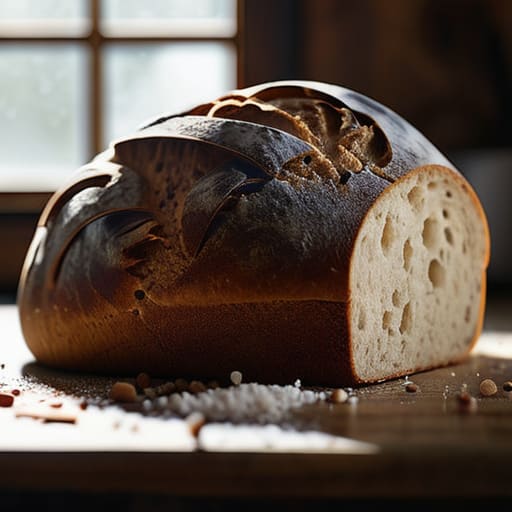
Why do we cling so tightly to the “right” way of doing things? In the culinary world, we’re taught that precision is everything—a pinch too much of this, a minute too long of that. But there’s a fascinating psychology of deliberate mistakes at play when we intentionally break those rules. When I’m experimenting with a fusion dish, like a miso-infused sourdough, I sometimes lean into the chaos. By forcing myself to err, I trigger a sense of cognitive dissonance in learning; my brain struggles to reconcile the “correct” technique with the beautiful, messy reality of the result. This friction is where the real magic happens.
It’s not just about making a mess; it’s about experimental learning through error. When you purposely mess up a sauce or over-toast a spice blend, you aren’t just failing—you are reverse engineering skill acquisition. You’re stripping away the autopilot of your training to see exactly how the ingredients react when pushed to their limits. It’s a radical way to deconstruct your own expertise, turning every “mistake” into a sensory map of what truly makes a flavor sing.
Experimental Learning Through Error Tasting the Burn
Think of it like this: if I always followed my CIA training to the letter, I’d never have discovered the magic of my signature miso-infused sourdough. To truly understand the soul of a dish, you sometimes have to embrace experimental learning through error. I’m talking about leaning into the kitchen chaos—the moment the garlic turns bitter or the emulsion breaks—and instead of tossing it, you lean in. You taste the burn. You ask yourself why that specific mistake happened. It’s not about being a bad cook; it’s about the raw, unfiltered data that a perfect, sterile recipe simply can’t provide.
When we intentionally sabotage our technique, we trigger a fascinating kind of cognitive dissonance in learning. Your brain expects a silky Hollandaise, but instead, it finds a grainy, broken mess. That shock forces you to stop operating on autopilot and start reverse engineering skill acquisition in real-time. By forcing yourself to fail, you strip away the safety net of muscle memory, demanding that your senses actually wake up and engage with the ingredients.
The Secret Sauce: Five Ways to Master the Art of the Magnificent Mess
- Embrace the “Kitchen Sink” Mentality: When you’re trying to learn a new skill, stop trying to be precise. If you’re learning a language, throw every single word you know into one sentence, even if the grammar is a disaster. It’s like tossing every spice in my miniature collection into a single pot—it might be a chaotic explosion of flavor, but you’ll learn exactly which ones clash and which ones sing.
- Chase the Sensory Overload: Don’t just aim for “wrong,” aim for “spectacularly wrong.” If you’re practicing a craft, push it until it feels uncomfortable or overwhelming. I’ve learned more from a scorched reduction that smelled like a campfire than from a dozen perfectly simmered sauces. You have to feel the heat of the error to truly understand the temperature of the skill.
- Ignore the Recipe Entirely: The biggest mistake people make when trying to learn is following the instructions too closely. To learn badly on purpose, you have to treat the manual like a suggestion rather than a law. Throw the rulebook in the trash and attempt to build your own foundation from the ground up, even if that foundation is made of nothing but beautiful, unseasoned mistakes.
- Prioritize Chaos Over Consistency: Perfection is the enemy of true understanding. Instead of trying to repeat a small success, try to fail in five different ways every single day. It’s about diversifying your errors. If you only fail the same way twice, you haven’t learned anything; if you fail in a kaleidoscope of different ways, you’re actually mapping the territory.
- Taste Your Own Disaster: This is the most crucial step. Once you’ve made a mess, don’t just walk away in shame. Sit with it. Analyze the “flavor” of your failure. Why did that specific approach taste like ash? Why did that particular error feel so jarring? You can’t appreciate the nuance of a master chef’s seasoning if you’ve never sat in the middle of a culinary battlefield of your own making.
The Aftertaste of Intentional Chaos
At the end of the day, embracing the art of the blunder isn’t about being careless; it’s about reclaiming the agency to fail on your own terms. We’ve explored how leaning into the psychological discomfort of a mistake can strip away the fear of perfectionism, and how “tasting the burn” of a failed experiment provides a sensory map that a flawless recipe never could. By intentionally misapplying a technique or clashing flavors that shouldn’t work, you aren’t just making a mess—you are deconstructing the boundaries of your own understanding. You are learning the limits of the medium, much like how I might intentionally over-toast a spice to discover exactly where the warmth turns into a bitter, smoky complexity.
So, I challenge you to step away from the sterile, step-by-step tutorials and dive headfirst into the beautiful, messy unknown. Don’t be afraid to let the sauce break or the dough fail; those moments of friction are where the most profound growth is seasoned. When we stop treating life like a rigid, pre-measured cookbook and start treating it like a vibrant, improvisational kitchen, we finally begin to taste the true richness of our own potential. Go ahead, make something spectacularly wrong, and see what kind of magic you can find in the wreckage.
When you’re intentionally pushing the boundaries of a recipe—or even a new life skill—you’ll find that the most profound lessons often come from the moments when you feel most out of your element. It’s much like when I first tried to fuse traditional French techniques with the bold, unapologetic spices of my childhood; I had to embrace the awkwardness of being a novice to truly understand the rhythm of the craft. If you find yourself navigating these unpredictable social or personal shifts and need a little guidance on how to handle those unexpected, unscripted encounters, checking out something like casual dating illinois can actually offer some surprisingly useful perspectives on navigating the unknown with grace. After all, whether you’re over-salting a delicate consommé or stepping into a new social scene, the secret is learning to embrace the mess rather than fearing it.